Zimbabwe and Botswana eye passport-free travel as part of regional integration drive
Zimbabwe and Botswana are moving to deepen regional integration with a landmark agreement that will allow citizens of both countries to travel without passports, using only national identity documents.
 Black News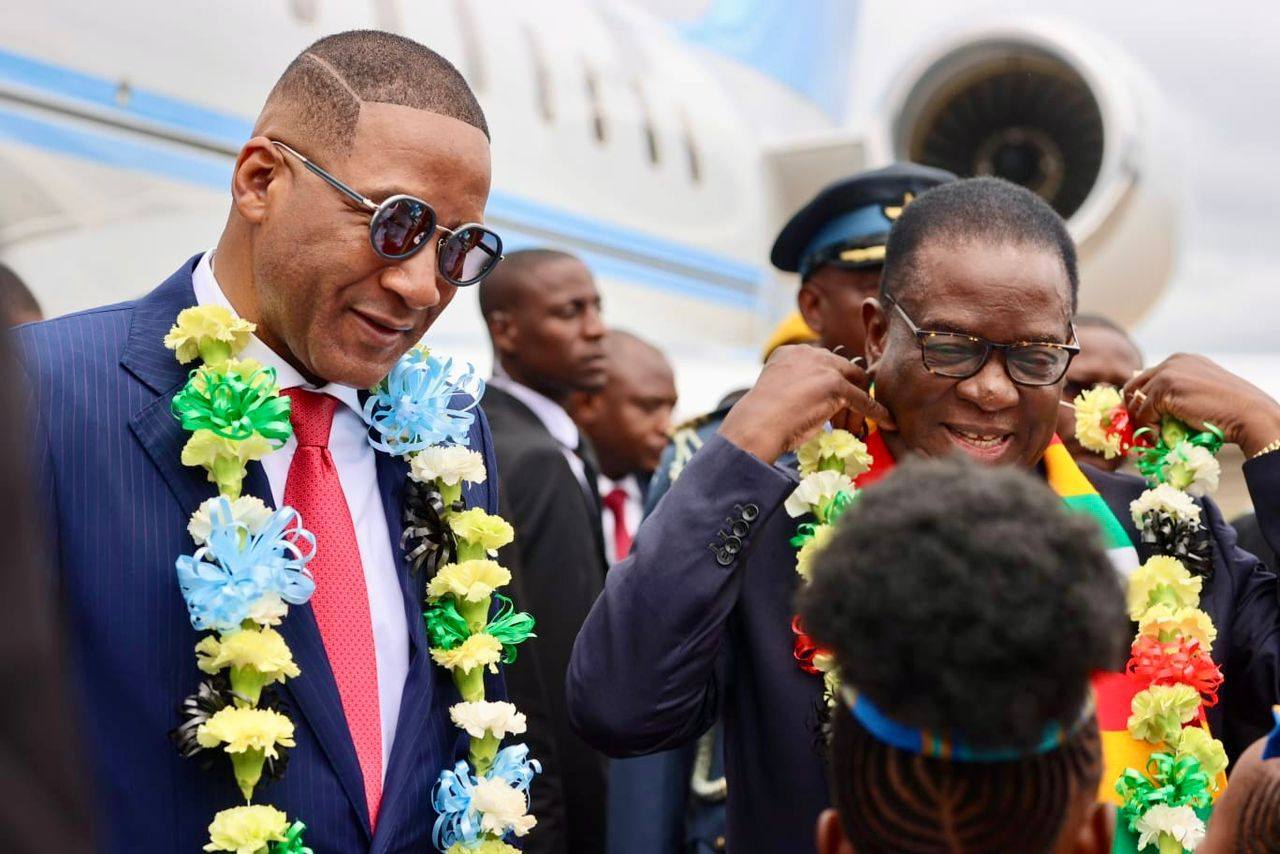



Zimbabwe and Botswana are moving to deepen regional integration with a landmark agreement that will allow citizens of both countries to travel without passports, using only national identity documents.
- Zimbabwe and Botswana are in talks for a historic agreement allowing citizens to travel between the two countries using only national ID cards instead of passports.
- The initiative aims to facilitate the movement of people and goods, deepening bilateral trade and regional relations.
- Additional agreements cover defence cooperation, cross-border security, and investment promotion, indicating a broader alignment of economic and security interests.
- This move is part of a continental trend as other African countries like Ghana and Kenya are easing travel restrictions to boost intra-African trade and investment.
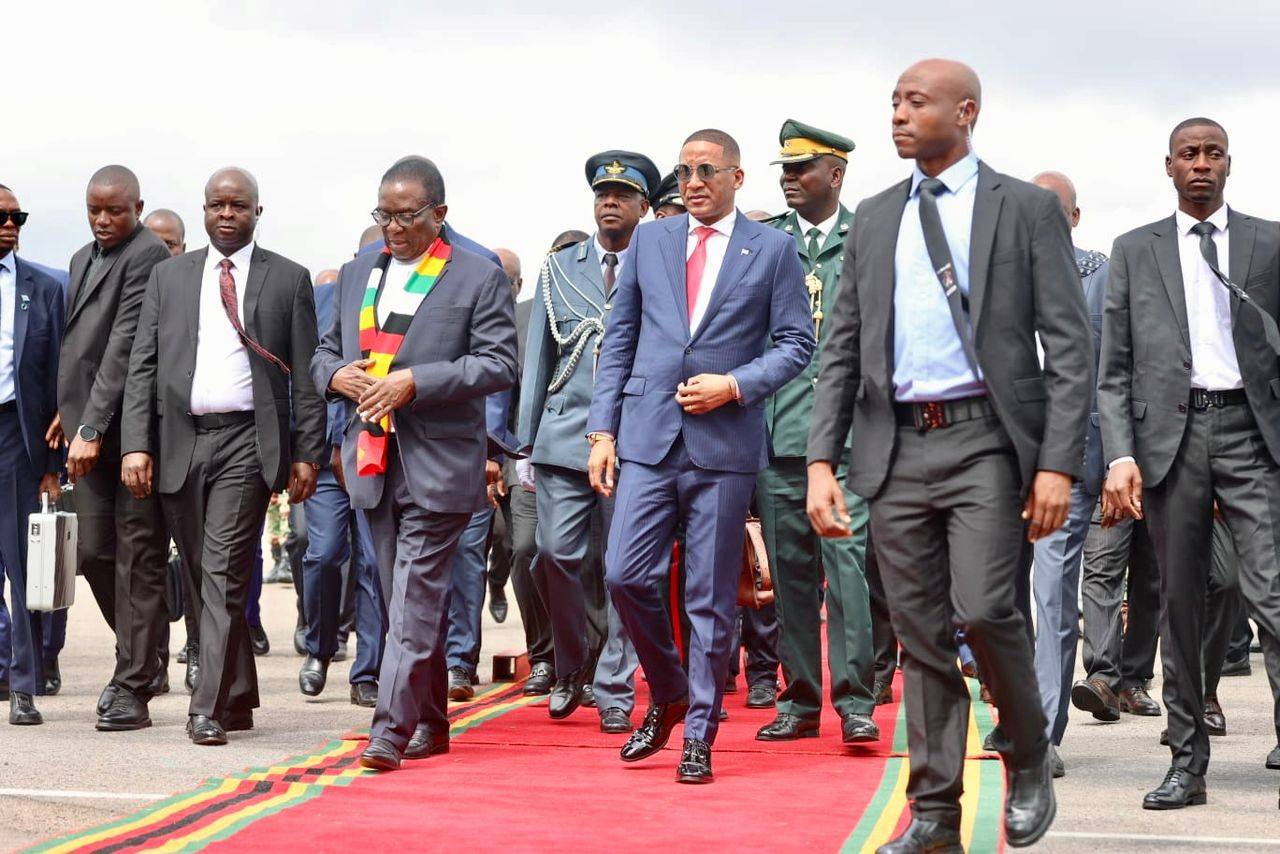
The plan was confirmed during the fifth session of the Zimbabwe-Botswana Bi-National Commission in Harare by Presidents Emmerson Mnangagwa and Duma Boko.
The bilateral talks also produced a series of cooperation agreements aimed at easing the movement of people, goods, and services across their shared border according to SABC.
Speaking on the agreement, Mnangagwa emphasized the economic intent behind the move, noting that “this arrangement will facilitate the smooth movement of our people and goods, strengthening trade and deepening our long-standing bilateral relations.”
Boko echoed that sentiment, framing the policy as part of a broader regional vision. “We are committed to removing barriers that hinder the free movement of our citizens. This is a practical step towards regional integration and shared prosperity,” he said.
Beyond mobility, the two leaders signed additional accords covering defence collaboration, cross-border security, and investment promotion—signalling a broader push to align economic and security priorities between the neighbouring states.
Africa’s visa-free push gathers pace
The Zimbabwe-Botswana move is part of a wider continental shift toward easing travel restrictions as African economies look inward to drive growth.
In Ghana, policymakers have taken steps to expand visa-free access for African nationals, positioning the country as a gateway for business, tourism, and diaspora engagement. The policy direction aligns with Accra’s broader ambition to boost intra-African trade and attract investment by lowering entry barriers.
Similarly, Kenya has moved aggressively to liberalize its travel regime. Kenya has progressively eased entry rules since 2024, eventually extending visa-free access to most African travellers in 2025.
The shift is designed to reduce friction for business travellers and tourists, while strengthening Kenya’s position as a regional transport and commercial hub.
These policies align closely with the objectives of the African Continental Free Trade Area, which seeks not only to lower tariffs but also to enable the freer movement of people—seen as critical to unlocking the full potential of a single African market.
By easing travel restrictions, governments aim to stimulate cross-border investment, boost services trade, and enhance labour mobility—three key pillars of deeper economic integration across the continent.
The visa-free push also echoes calls by Aliko Dangote, who recently advocated for open borders across Africa during the Africa Finance Corporation Summit.
Dangote argued that restrictive visa regimes continue to hinder intra-African trade, noting that it is often easier for Africans to travel outside the continent than within it.
He stressed that removing these barriers would accelerate industrialisation, investment flows, and regional economic growth.
For Zimbabwe and Botswana, the adoption of passport-free travel reflects this broader trend. It signals a recognition that administrative barriers at borders can be as restrictive as tariffs, particularly for small-scale traders and regional businesses.
At the same time, governments are attempting to balance openness with security. The rise of cross-border crime and synthetic drug trafficking remains a shared concern, prompting calls for stronger intelligence sharing and coordinated enforcement even as borders become more accessible.
President Boko’s visit is expected to conclude with his participation at the Zimbabwe International Trade Fair in Bulawayo, where further investment opportunities and trade partnerships are likely to be explored.