2 months after strikes in Nigeria, U.S. weighs military action in another African country
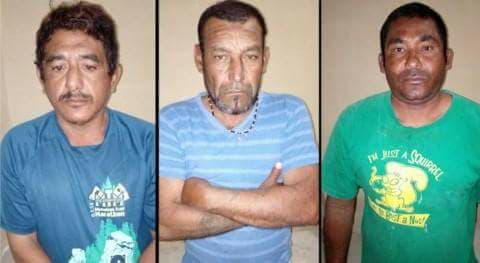
Just two months after the United States and Nigerian forces killed Abu-Bilal al-Minuki, one of the Islamic State's most senior global leaders, in a joint operation in northeastern Nigeria, Washington is weighing another direct military intervention in Africa - this time in Mali.
 Black News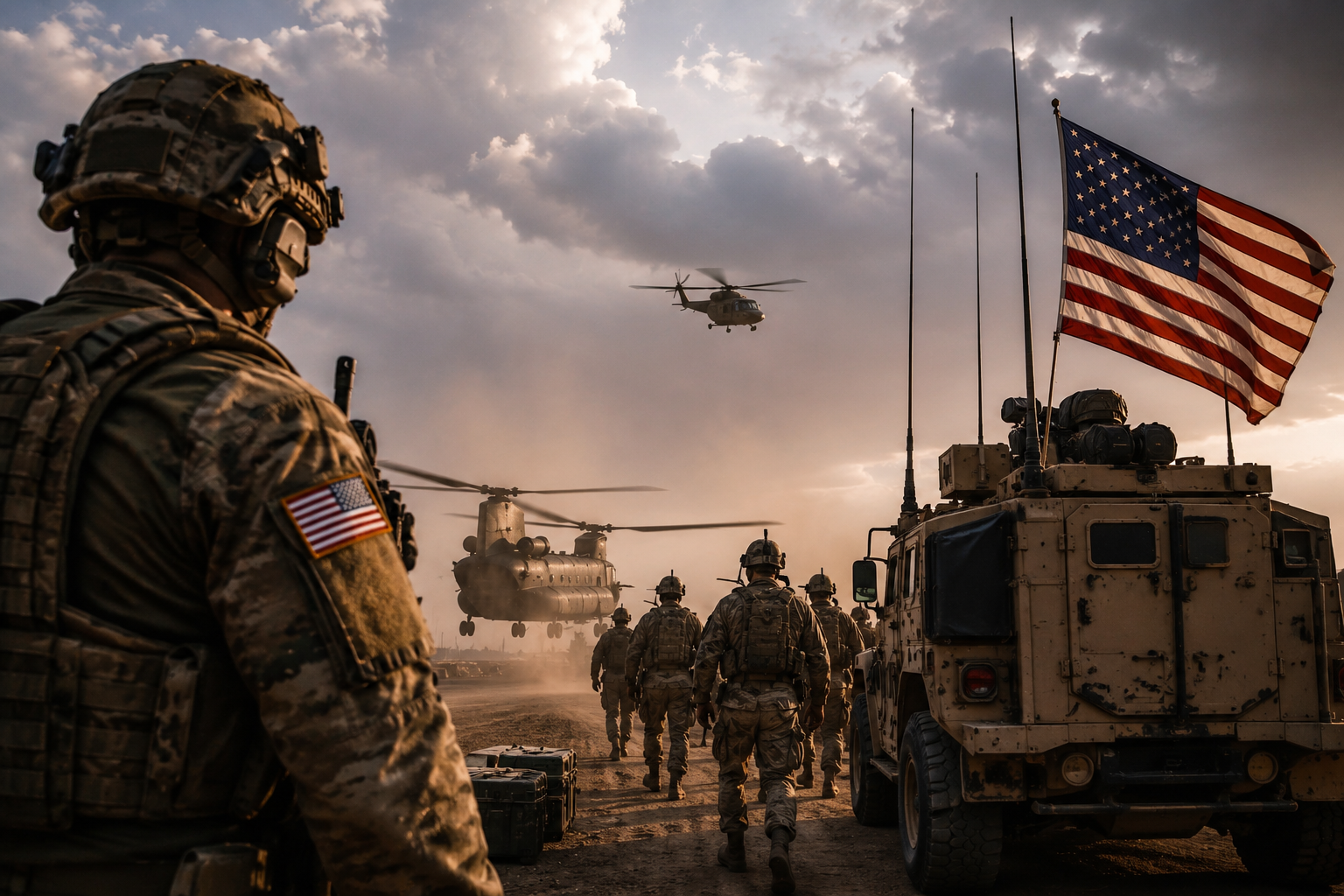

Just two months after the United States and Nigerian forces killed Abu-Bilal al-Minuki, one of the Islamic State's most senior global leaders, in a joint operation in northeastern Nigeria, Washington is weighing another direct military intervention in Africa - this time in Mali.
- The US is considering direct military intervention in Mali against the al-Qaeda-linked group JNIM, just two months after killing a top ISIS leader in Nigeria.
- AFRICOM, with Nigerian forces, recently conducted successful strikes in the Lake Chad Basin, eliminating Abu-Bilal al-Minuki and other senior ISIS figures.
- Mali’s government has responded cautiously, seeking clarification from Washington and emphasizing respect for its sovereignty and national interests.
- Mali’s security landscape has changed with the expulsion of French forces, the end of the UN peacekeeping mission, and increased Russian military involvement.
On May 16, U.S. Africa Command (AFRICOM), working alongside the Nigerian military, carried out a precision strike in the Lake Chad Basin that eliminated al-Minuki—also known as Abu-Mainok—along with several senior ISIS commanders.
AFRICOM described him as the group's director of global operations, responsible for strategic guidance on terrorist financing, media operations, weapons development, explosives and drones.
DON'T MISS THIS: The United States turns up the heat against ISIS in Nigeria
The strike was followed by additional joint operations on May 17 and 18 targeting ISIS fighters in northeastern Nigeria.
Now, according to The Washington Post, the Trump administration is considering military strikes against Jama'at Nusrat al-Islam wal-Muslimin (JNIM), an al-Qaeda-linked militant group that has become one of the most powerful jihadist organisations in the Sahel.
The proposal remains under internal review, with senior officials reportedly divided over the military, diplomatic and geopolitical implications.
If approved, Mali would become the second African country targeted by U.S. military strikes in just over two months, signalling an increasingly assertive American counterterrorism strategy on the continent.
Mali awaits Washington's position
Mali has responded cautiously to the reports, saying it has not received any official communication from Washington.
Foreign Minister Abdoulaye Diop said Bamako had only learned of the proposal through media reports and was awaiting clarification from the U.S. government.
DON'T MISS THIS: From airstrikes to investigations, the U.S. aims to escalate pressure on the Nigerian government
"We're waiting to see what stance the U.S. government will take," Diop told reporters, adding that any foreign military intervention would have to respect Mali's sovereignty and the country's national interests.
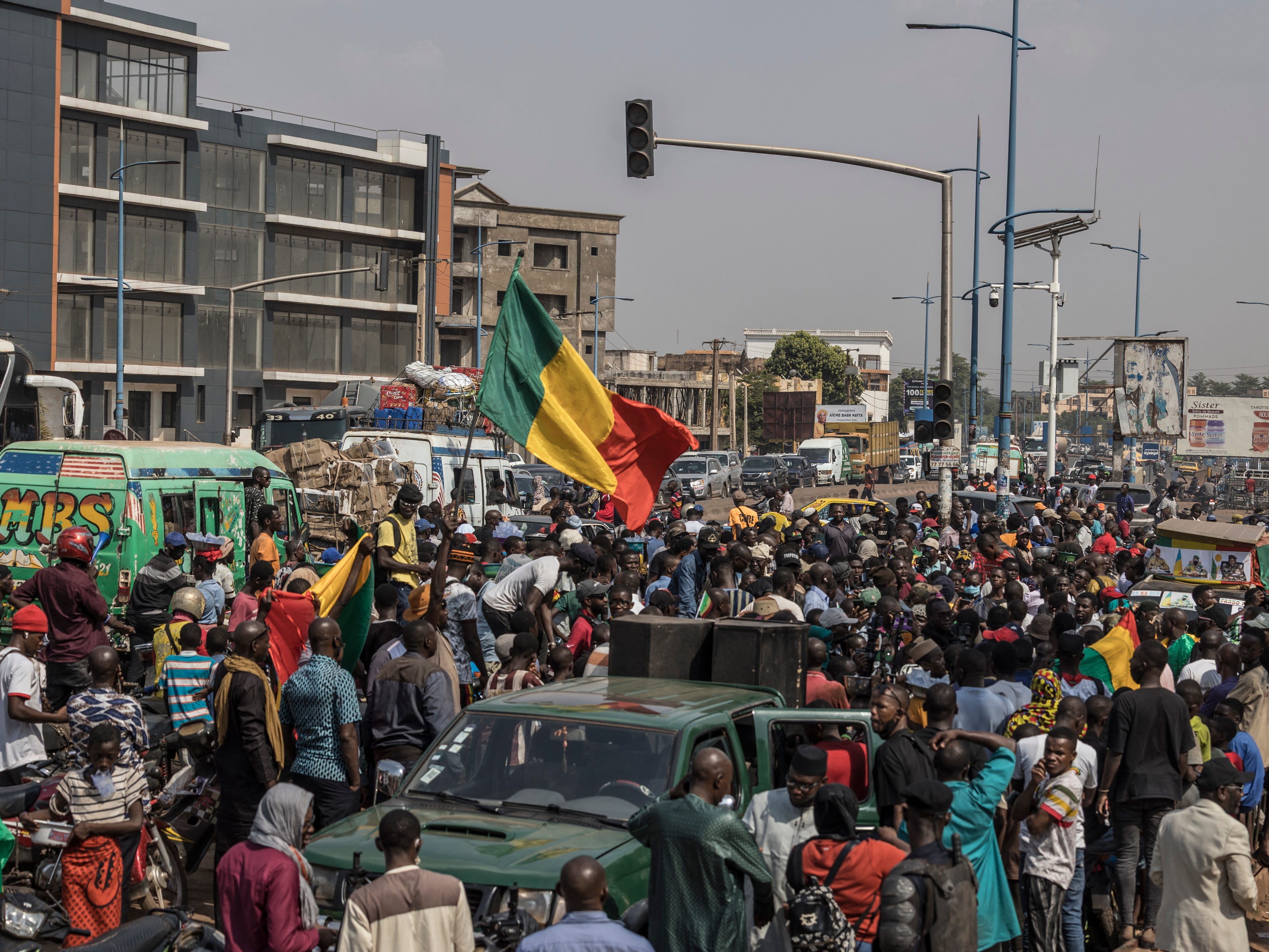
The remarks reflect the delicate position Mali finds itself in after significantly reshaping its security partnerships over the past several years.
Following military coups in 2020 and 2021, the ruling junta expelled French forces, pushed for the withdrawal of the UN peacekeeping mission, and strengthened defence ties with Russia, with the Russian-backed Africa Corps now supporting Malian forces against insurgents.
DON'T MISS THIS: US, Nigeria confirms strike on ISIS camps as clerics, activists, and netizens clash over impact
A unilateral U.S. military operation would therefore introduce a new geopolitical dimension to a conflict where Russian personnel are already actively involved.
Why Mali matters
The proposed target, JNIM, was formed in 2017 through the merger of several jihadist factions loyal to al-Qaeda.
The group has entrenched itself across Mali while extending operations into neighbouring Burkina Faso and Niger, exploiting weak state institutions and repeated military coups to expand its influence. It has also increased attacks closer to the coastal states of West Africa, raising concerns that insecurity in the Sahel could spill further south.
The deteriorating security environment has become one of Africa's most pressing security challenges, despite years of military interventions by France, the United Nations, regional governments and international partners.
DON'T MISS THIS: US–Nigeria tension heightens as Trump threatens more US military strikes
Analysts say any U.S. intervention would represent more than a counterterrorism operation. It would also test Washington's willingness to re-engage militarily in a region where Western influence has declined sharply and Russia has emerged as the dominant external security partner.
The proposal also comes amid growing concern in Western capitals that extremist groups in the Sahel are becoming increasingly capable of threatening broader regional stability and international interests.
Should the operation proceed, it would reinforce a shift toward more direct U.S. military involvement in Africa after years in which Washington largely focused on intelligence sharing, military training and logistical support for African partners rather than conducting overt strikes.