Africa has three UN Security Council seats but no permanent voice, Nigeria renews reform push
Three African countries sit on the United Nations Security Council this year. None can stay beyond its elected term, and none has the veto power held by the five permanent members.
 Black News
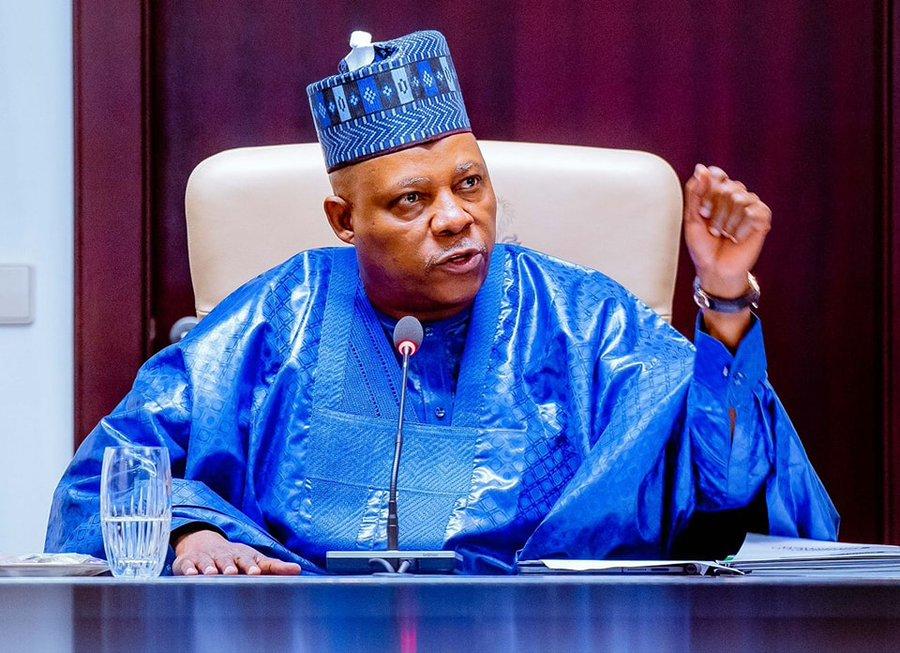
![Nigeria’s Vice President Kashim Shettima met UN Deputy Secretary-General Amina Mohammed during the 81st UN General Assembly in New York. [Presidency]](https://ocdn.eu/pulscms/MDA_/2bebec19c0b7613dba590dc9e8a252fe.jpeg)
Three African countries sit on the United Nations Security Council this year. None can stay beyond its elected term, and none has the veto power held by the five permanent members.
- Nigeria’s vice president says Africa’s absence from the Security Council’s permanent membership weakens its legitimacy.
- Three African countries currently hold elected seats, but none has a permanent seat or veto.
- The African Union is seeking at least two permanent and five elected seats in an expanded Council.
- Reform requires a UN Charter amendment ratified by all five existing permanent members.
That imbalance was at the centre of a fresh call for reform by Nigeria’s Vice President Kashim Shettima during a meeting with UN Deputy Secretary-General Amina Mohammed in New York.
Africa’s continued exclusion from permanent membership, he said, damages the fairness and credibility of the institution that makes some of the world’s most consequential decisions on peace and security.
“A continent cannot be summoned to bear the burdens of the international order and then denied an equal hand in directing it,” Shettima said, according to a statement from his media aide reported by Channels Television.
DON'T MISS THIS: More than 80 years on, Africa still has no permanent UN Security Council seat; António Guterres calls it ‘unjust and indefensible’
Seats without permanence
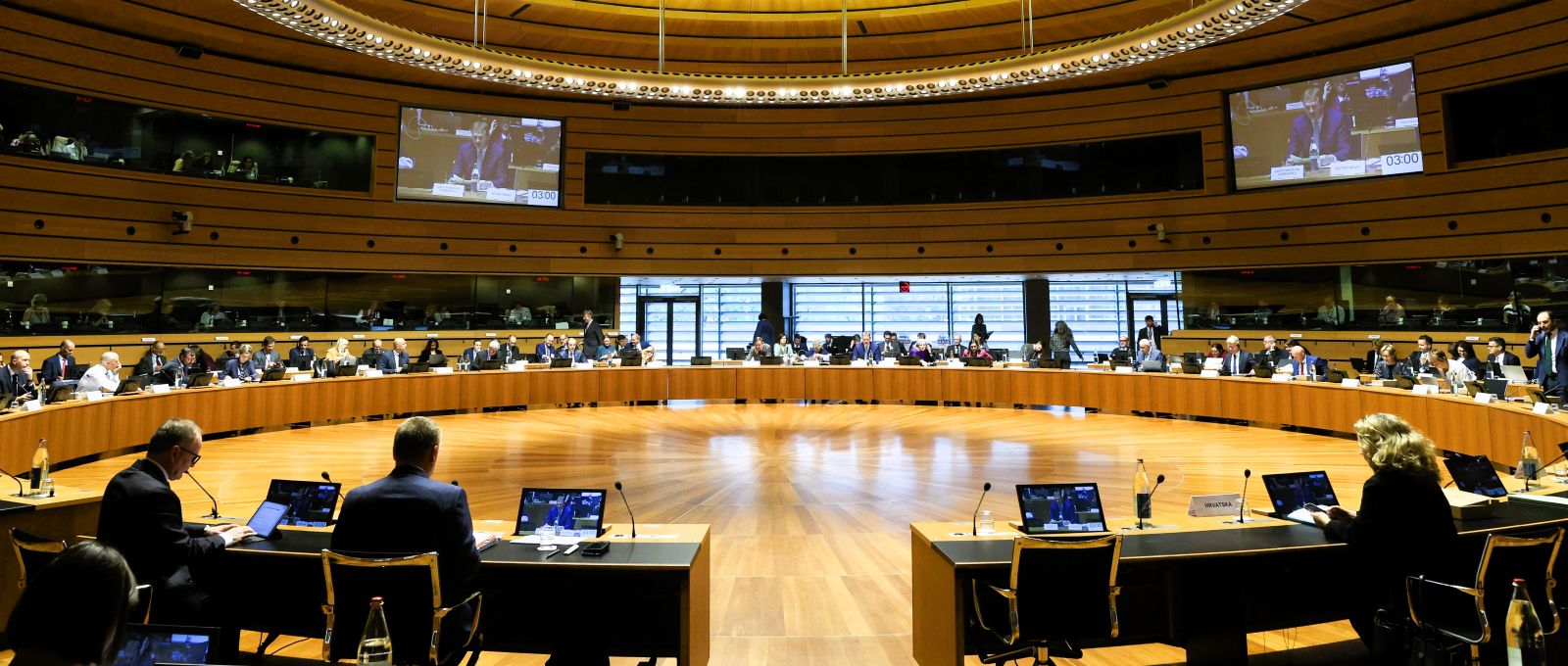
The Council has 15 members. China, France, Russia, the United Kingdom and the United States hold permanent seats. The other ten members serve two-year elected terms. In 2026, Africa’s elected representatives are the Democratic Republic of Congo, Liberia and Somalia, according to the UN’s membership list.
![UN Deputy Secretary-General, Hajiya Amina Mohammed [Twitter:@AminaJMohammed]](https://ocdn.eu/pulscms/MDA_/13bef9dced99fa5187dbef78be654218.jpeg)
Elected members can vote and take part in Council decisions, but their terms end, a permanent member can block a substantive resolution with a veto.
Africa’s complaint is therefore more specific than having no voice at all, it has representation, but no guaranteed place among the states with the Council’s greatest power.
The African Union’s common position calls for at least two permanent seats, with veto rights for as long as the veto exists, and five elected seats in an expanded Council. Shettima’s intervention follows that continental demand rather than announcing a new Nigerian proposal.
The obstacle behind the demand
Support for a more representative Council does not itself change its membership. Adding permanent seats would require an amendment to the UN Charter. Under Article 108, that means approval by two-thirds of UN members in the General Assembly and ratification by two-thirds of members including all five existing permanent members.
DON'T MISS THIS:Africa's 3-country UN Security Council members at the center of Russia's new security diplomacy push
That rule puts the decisive legal step in the hands of the powers whose privileged position reform would alter. It also explains why repeated African calls for permanent representation have yet to produce a seat.
Shettima praised UN Secretary-General António Guterres for supporting a more representative Council and said Nigeria would continue to back reforms that reflect present-day geopolitical and demographic realities.
His remarks came during the 81st UN General Assembly, where Nigeria also reiterated Africa’s demand for two permanent seats with veto powers and five elected seats.
For African governments, the question is no longer simply whether the continent participates in Security Council debates. It is whether countries affected by decisions on conflict and international security can hold lasting power in making them.