African airlines on alert as Lufthansa warns Strait of Hormuz closure could add $2 billion in fuel costs
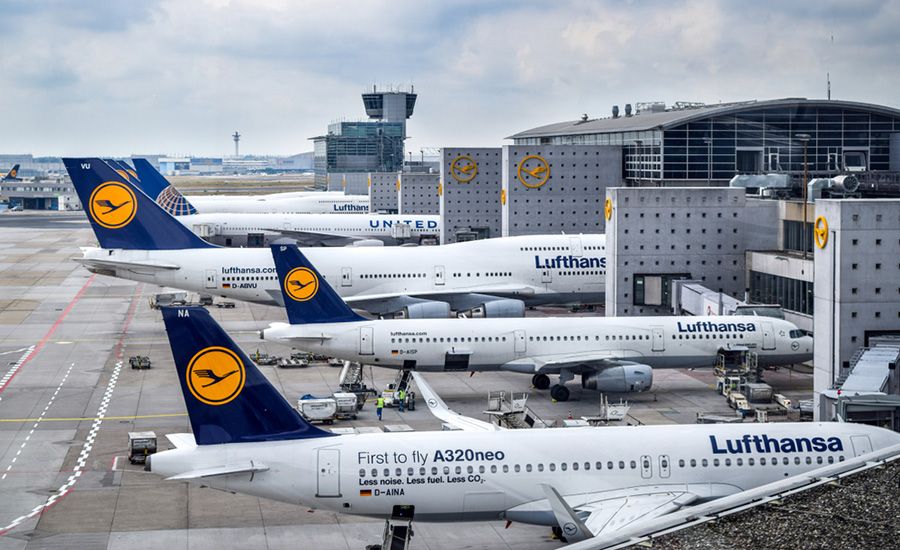
African airlines are bracing for higher costs after the Lufthansa Group warned that disruptions around the Strait of Hormuz could add about $2 billion to its fuel bill this year, highlighting growing pressure on carriers as Middle East tensions tighten global jet fuel supplies.
 Black News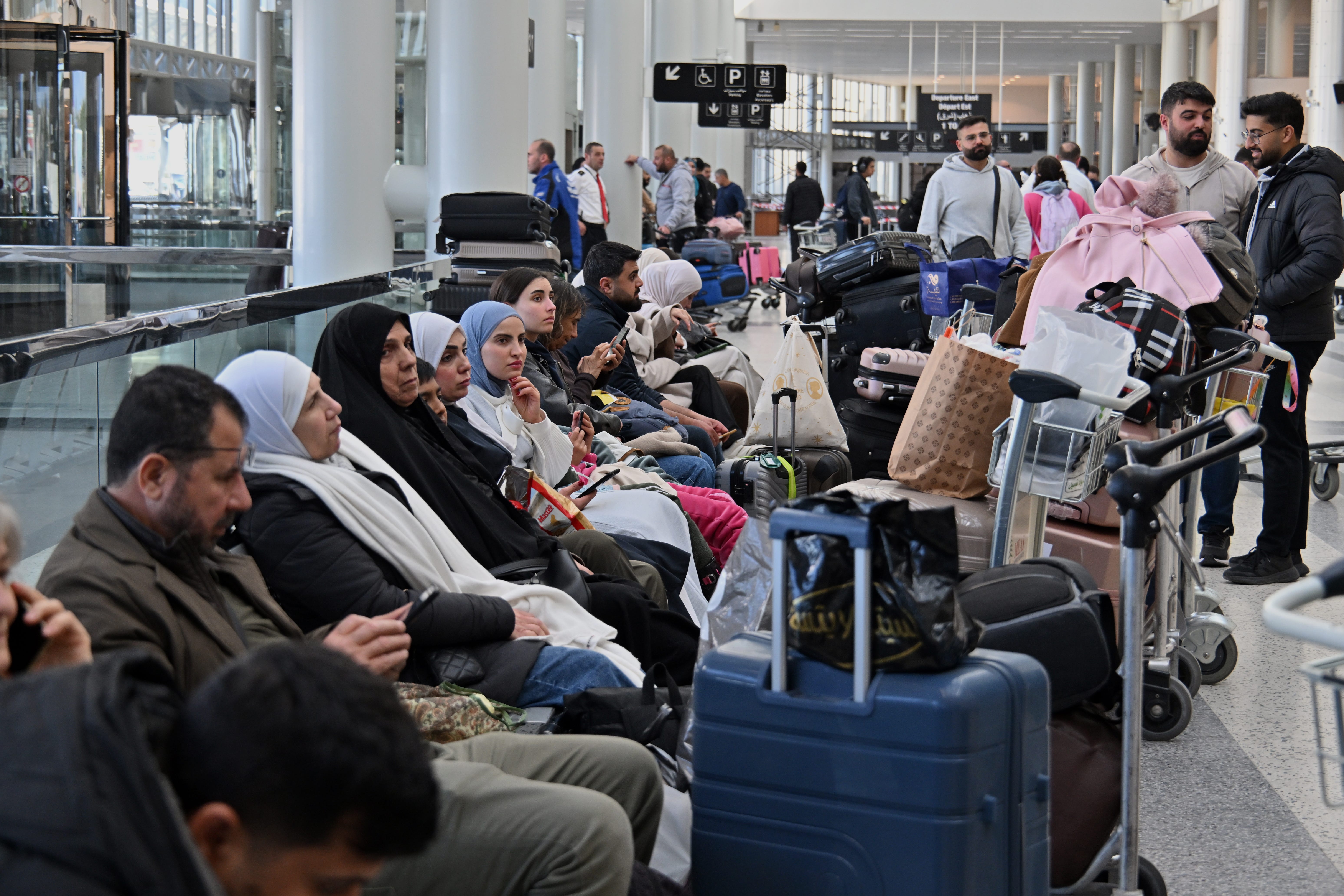

African airlines are bracing for higher costs after the Lufthansa Group warned that disruptions around the Strait of Hormuz could add about $2 billion to its fuel bill this year, highlighting growing pressure on carriers as Middle East tensions tighten global jet fuel supplies.
- The escalating Middle East conflict is increasing global kerosene prices and forcing airlines to reroute flights, particularly affecting connections to the Middle East.
- African airlines are especially vulnerable, as most of their jet fuel imports pass through the affected region, leading to significant cost increases.
- Nigeria's Dangote Refinery is becoming a crucial supplier for the continent, but domestic Nigerian airlines are struggling with soaring fuel costs, threatening potential operation suspensions.
- Lufthansa expects jet fuel costs to rise by €1.7 billion in 2025 due to supply disruptions linked to the Strait of Hormuz.
The German airline group said disruptions around the Strait of Hormuz were tightening global jet fuel supply and driving up prices at a time when airlines are already grappling with volatile operating costs and disrupted flight networks.
Lufthansa said it still expects strong summer travel demand, but warned that “the current closure of the Strait of Hormuz is leading to a shortage in kerosene supply and thus to a significant increase in kerosene prices,” adding that the surge “places a substantial burden on the cost base of Lufthansa Group airlines.”
The comments came after the carrier said it was redirecting aircraft capacity away from 10 cancelled Middle Eastern destinations toward Asia and Africa.
African airlines face greater exposure
While Europe’s largest airlines warn of rising fuel costs, African carriers remain among the most exposed because they rely heavily on jet fuel imports routed through the Gulf, where Iran war disruptions have pushed prices above $200 per barrel.
S&P Global and African Security Analysis estimate that around 70% of Africa’s jet fuel imports transit through the Strait of Hormuz, leaving the continent exposed to supply disruptions and rapid price increases.
Consequently, fuel already represents between 30% and more than 40% of operating costs for African airlines, compared with a global average of about 20% to 25%, according to the African Airlines Association.
The growing strain is already reshaping airline operations across the continent.
Ethiopian Airlines suspended flights to several Middle Eastern destinations and cancelled more than 100 weekly services, affecting roughly 50,000 passengers and cargo shipments, after reporting losses of about $137 million in a single week in March.
Kenya Airways also reduced Middle East flights by between 20% and 30% while deploying larger aircraft on remaining routes to maintain passenger volumes.
In South Africa, FlySafair introduced temporary fuel surcharges ranging between 101 and 367 rand after Jet A1 fuel prices at coastal airports surged by about 70% within a week in March, according to the airline’s website.
South Africa’s NAC also added clauses to contracts allowing it to pass fuel surcharges to customers if prices rise during flights.
Meanwhile, Nigeria’s largest carrier, Air Peace warned passengers of possible flight delays across its network due to ongoing aviation fuel supply constraints, saying the situation had started affecting scheduled departures.
Dangote refinery gains strategic importance
As supply pressures intensify, Nigeria is emerging as a key aviation fuel supplier following the launch of the Dangote Petroleum Refinery in 2024.
Nigeria’s refined petroleum exports climbed to about 416,000 barrels per day in April, while the refinery has started directly supplying Jet A1 fuel to Ethiopian Airlines as traditional supply channels tighten.
Despite the export growth, pressure is building within Nigeria’s domestic aviation market.
Nigerian airlines warned they could suspend operations unless jet fuel prices fall, citing a roughly 270% increase in aviation fuel costs since February.
Industry braces for prolonged disruption
While Lufthansa, with a market value approaching $12 billion, warned of a major earnings impact, analysts say African airlines face even greater risks because of thinner margins and weaker fuel supply buffers.
“The war in the Middle East proves once again how exposed air traffic is and how vulnerable it remains,” Lufthansa Chief Executive Officer Carsten Spohr said in a statement.