Africa’s 5 most militarised economies spent over $33 billion on defence in 2025—here’s what they have in common
Africa’s five most militarised economies spent more than $33 billion on defence in 2025, highlighting how a small group of countries continues to dominate the continent’s military expenditure amid persistent security pressures.
 Black News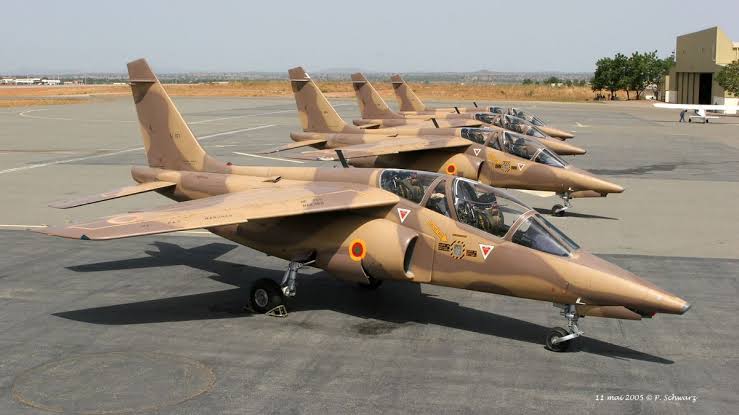

Africa’s five most militarised economies spent more than $33 billion on defence in 2025, highlighting how a small group of countries continues to dominate the continent’s military expenditure amid persistent security pressures.
- Africa's five most militarised economies spent over $33 billion on defence in 2025, dominating the continent's military expenditure.
- These countries' military spending is primarily driven by persistent security pressures, not economic growth.
- Algeria tops the list with a military burden of 8.8% of GDP, second only to Ukraine globally, largely due to regional tensions with Morocco.
- Countries like Mali and Burkina Faso focus defence budgets on countering jihadist insurgencies, while Morocco and Algeria emphasize geopolitical rivalry.
The ranking, based on military spending as a share of GDP comes as global military expenditure reached a record $2.89 trillion in 2025, marking the 11th consecutive year of growth, according to the Stockholm International Peace Research Institute (SIPRI).
The military burden, a key measure of how heavily defence spending weighs on an economy, captures the share of national output directed toward the military. It provides a clearer picture of economic prioritisation than absolute spending alone.
DON'T MISS THIS: Africa’s military spending hit new highs for the third time despite ongoing security problems
Across Africa, however, this burden remains uneven, with a small group of countries accounting for a disproportionate share of total defence expenditure.
According to SIPRI data, Africa’s total military spending rose to $58.2 billion in 2025, up 8.5% year-on-year and 45% higher than in 2016, reflecting a sustained upward trend in defence budgets across the continent.
Despite this increase, Africa’s average military burden stood at 1.8% of GDP, masking sharp disparities between relatively stable economies and those facing prolonged insecurity or regional tensions.
Africa's top 5 militarised economies
The continent’s top five militarised economies alone accounted for more than half of total African military spending, underscoring how concentrated defence expenditure remains.
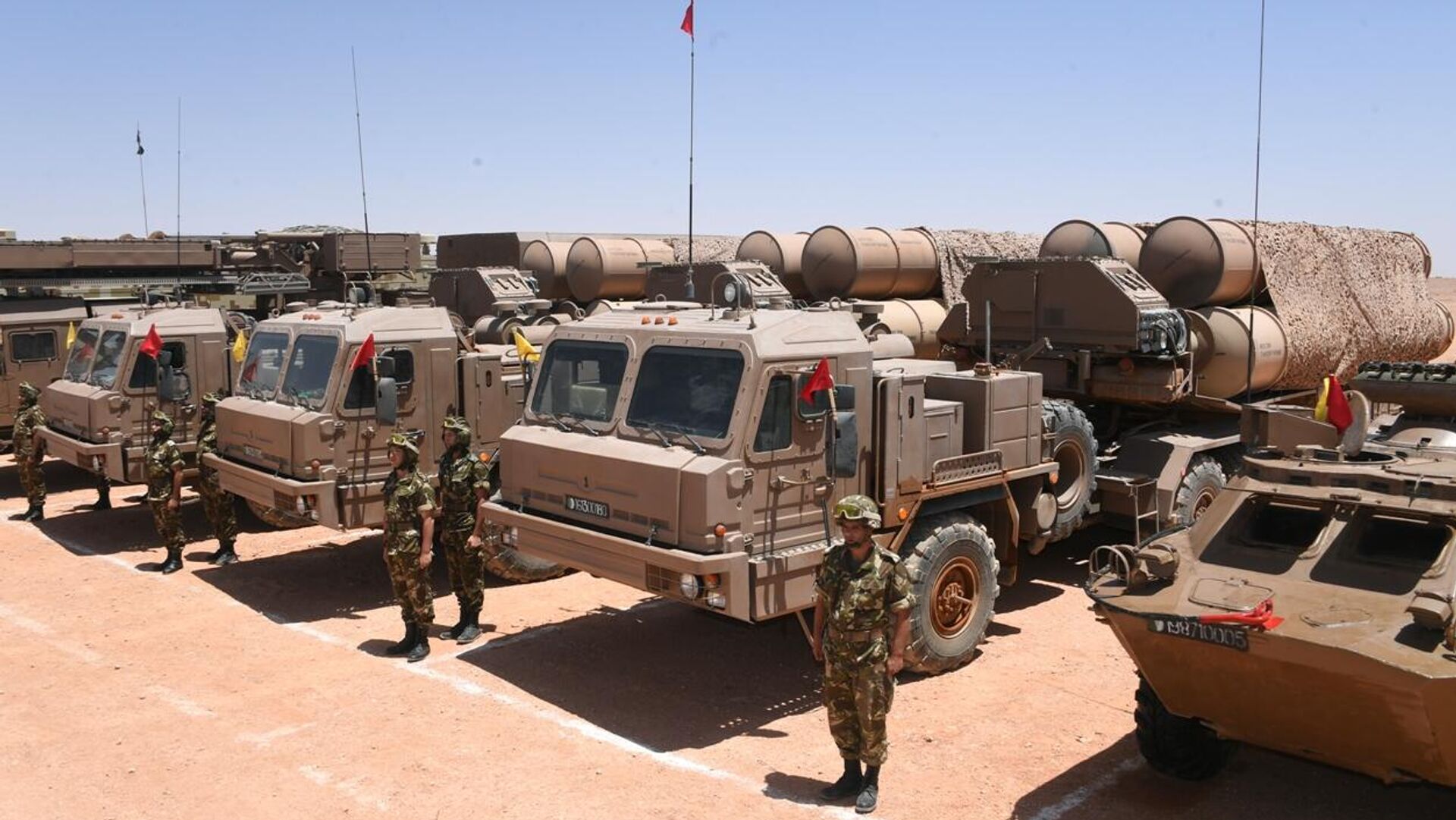
At the centre of the ranking is Algeria, which recorded a military burden of 8.8% of GDP in 2025, making it the world’s second most militarised economy after Ukraine, according to SIPRI.
Its $25.4 billion defence budget reflects both sustained military investment and long-standing regional tensions, particularly with Morocco over Western Sahara.
What do these economies have in common?
Despite differing political systems and security environments, the five countries share a defining characteristic: defence spending is driven primarily by security necessity rather than economic expansion.
In the Sahel, Mali and Burkina Faso are battling entrenched jihadist insurgencies that have expanded across borders, forcing governments to prioritise counterterrorism operations over long-term development spending.
These conflicts have also weakened state capacity, increasing reliance on military institutions for internal stability.
In North Africa, Morocco and Algeria reflect a different but equally entrenched dynamic, where long-standing geopolitical rivalry and territorial disputes continue to shape defence policy. Military spending in both countries remains closely tied to deterrence and regional balance of power considerations.
DON'T MISS THIS: 2 North African military powers spend $31.7 billion into an escalating arms race backed by the US and Russia
Meanwhile, South Sudan represents the fragility-driven dimension of militarisation. Recurring internal conflict, political instability and weak institutions continue to place sustained pressure on government resources, keeping defence spending disproportionately high relative to economic output.
Across the five countries, security concerns remain a persistent structural issue, shaping economic performance and investor confidence far beyond the short term.
As a result, defence spending continues to compete directly with development priorities such as infrastructure, education and healthcare, limiting fiscal space for broader economic transformation.