Africa's cement giants Dangote and BUA face new rival as Chinese-backed firm enters Nigeria's cement market with $1 billion acquisition
Nigeria's cement industry is set for a major shake-up as Chinese-backed Hainan Huaxin Cement moves to acquire Lafarge Africa in a deal valued at about $1 billion, positioning itself to challenge market leaders Dangote Cement and BUA Cement in Africa's largest economy.
 Black News
Nigeria's cement industry is set for a major shake-up as Chinese-backed Hainan Huaxin Cement moves to acquire Lafarge Africa in a deal valued at about $1 billion, positioning itself to challenge market leaders Dangote Cement and BUA Cement in Africa's largest economy.
- The Nigerian Senate has approved a $1 billion acquisition of Lafarge Africa by China's Hainan Huaxin Pan-African Investment Company.
- The deal will not affect the 16.19% equity stake held by Nigerian investors, addressing domestic concerns.
- This acquisition marks a significant entry for Chinese capital in Nigeria's manufacturing sector.
- The transaction reflects China's growing strategy of acquiring strategic manufacturing assets in Africa.
The upper legislative chamber endorsed the transaction on Thursday after adopting the report of its ad hoc committee chaired by Senate Minority Leader Abba Moro, concluding a seven-month review of the proposed sale by Swiss building materials giant Holcim AG.
Lawmakers said the acquisition would not affect the 16.19% equity stake held by Nigerian investors, addressing one of the key concerns raised when Holcim announced plans to divest its controlling interest in Lafarge Africa.
DON'T MISS THIS: Holcim to exit Lafarge Africa with $1 billion stake sale
The approval clears the way for one of China's most significant investments in Nigeria's manufacturing sector and places a Chinese-backed company alongside industry leaders Dangote Cement and BUA Cement in a market central to the country's infrastructure and housing ambitions.
A new ownership era for Nigeria's cement industry
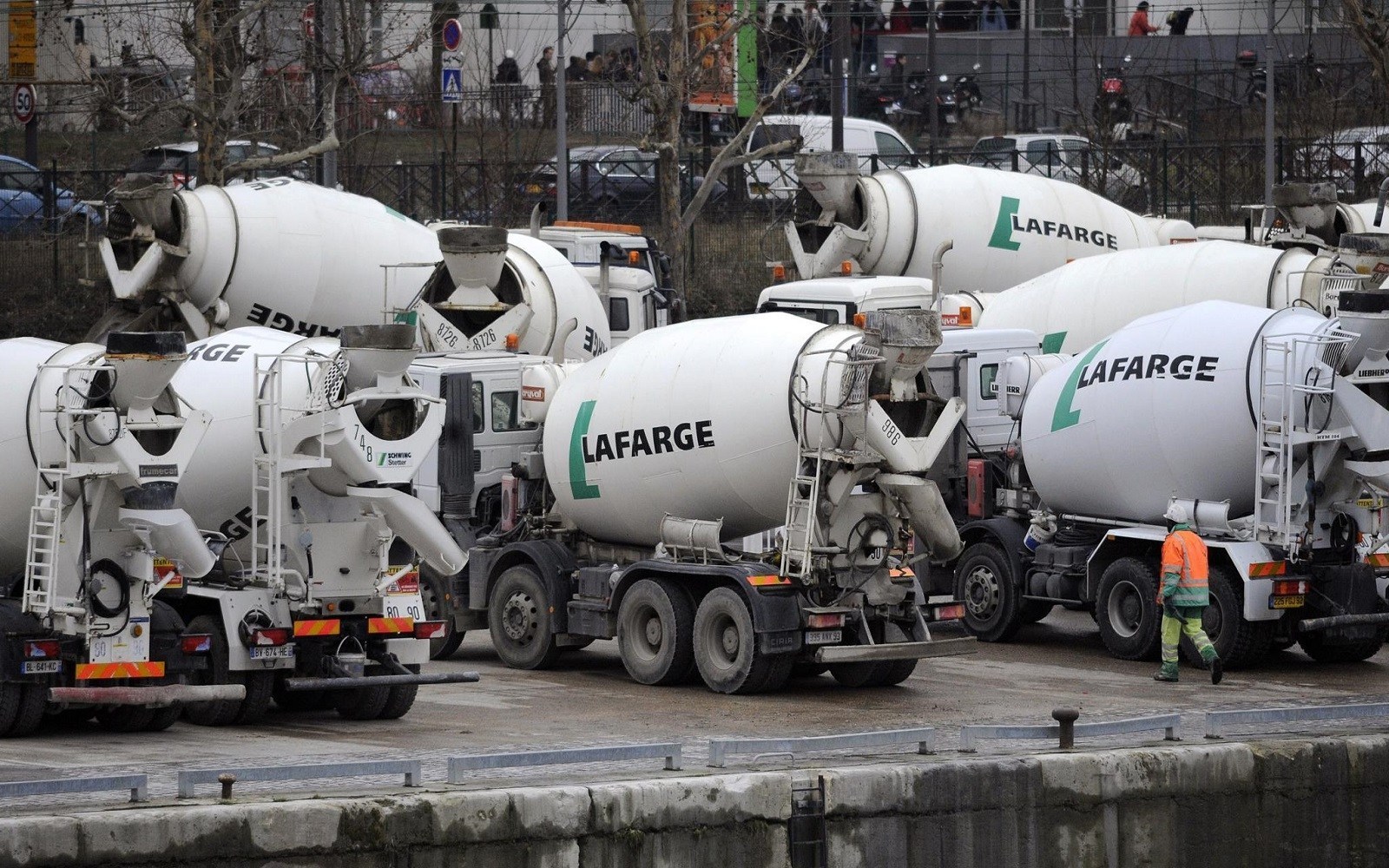
Nigeria's cement market has long been dominated by three major producers—Dangote Cement, BUA Cement and Lafarge Africa—which collectively account for the vast majority of the country's installed production capacity.
While the acquisition does not immediately alter Lafarge Africa's operations, it replaces a long-standing European owner with a Chinese investor at a time when competition in the sector is intensifying.
The deal also reflects a broader shift in China's engagement with Africa.
Having established a dominant presence in infrastructure financing, railway construction, mining and industrial parks across the continent, Chinese firms are increasingly acquiring strategic manufacturing assets that support Africa's industrialisation agenda.
DON'T MISS THIS: Nigerian government summons Dangote, BUA, Lafarge over rising cement prices
For Nigeria, where demand for cement is expected to remain strong due to rapid urbanisation, housing deficits and large-scale infrastructure projects, the change in ownership could position Lafarge Africa to leverage Chinese capital, technology and supply chain networks.
Competition enters a new phase
The transaction comes as competition among Nigeria's cement producers continues to evolve.
Dangote Cement remains the country's largest producer with operations spanning several African markets, while BUA Cement has expanded aggressively in recent years through new production lines and capacity upgrades.
A Chinese-backed Lafarge Africa could intensify that competition by strengthening its financial capacity and positioning itself to capture a larger share of Nigeria's growing construction market.
DON'T MISS THIS: Billionaire Rabiu targets 20-million-tonne BUA cement expansion with Chinese partner to take on Dangote
Beyond the domestic market, the acquisition could also enhance Lafarge Africa's ability to serve regional demand under the African Continental Free Trade Area (AfCFTA), where manufacturers are increasingly looking beyond national borders for growth.
The Senate's endorsement removes a major regulatory hurdle for the transaction, signalling official support for continued foreign investment in Nigeria's industrial sector while preserving domestic shareholder participation.
If completed, the acquisition will mark one of the largest Chinese takeovers in Nigeria's manufacturing industry, further cementing Beijing's expanding role not only as a builder of African infrastructure but also as an owner of the industries that supply it.