The Secret Gay Agenda in the Art World? Backgammon
It's hard to say who started the Lesbian Bisexual Backgammon League. Part social club, part backgammon tournament, the league (known casually as the LBBL) brings together queer women from across New York's art world in friendly competition. I first ask Stefania Bortolami, the established Tribeca gallerist who acts as the league’s host, but she deflects the question. “I didn’t! I just have the space for it now,” she insists modestly, waving her hand around at Bortolami Gallery’s third floor. Long tables are laid out with backgammon boards in neat rows, where women face each other in spirited competition. However, the games are secondary to the lively banter that fills the room; interviewing them is a challenge, as they all talk at once and have conflicting narratives.After ten minutes of back and forth, they finally decide that it probably started in 2016, when SeeSaw founder Ellen Swieskowski met interior designer Hester Hodde at Cubbyhole. “I like to joke that it started out as a single lesbian support group,” says Swieskowski. “We all met at Cubbyhole initially, we were all single, and we needed an excuse to bring in more and more lesbian and bisexual women. We really just wanted to widen the net to get as many girls to come as possible.” The table erupts with laughter, but she shrugs with a grin. “It’s true! It was like, if you’ve ever made out with a girl, you’re invited.”Bortolami maintains that the league isn’t strictly limited to queer women, but you wouldn’t know that by the heavily female attendance. Half the league seems to have dated each other in the past, and they casually swap stories about old girlfriends and lovers who have passed through. Bortolami had first been initiated into the league by gallerist Ellie Rines back when they were dating; today, Rines (heavily pregnant and beaming) is still an active member of the LBBL, but she leaves her boyfriend at home. “There’s definitely a lesbian art world mafia, and Stefania is the head of it,” she declares loudly. Bortolami does not seem to agree. While the Lesbian Bisexual Backgammon League is one of the few spaces in the art world — and the world at large — carved out for queer professional women that has stood the test of time, to Bortolami, the queerness of it all is secondary to the friendship. In an art world oversaturated with networking events, most of them transactional by design, the Lesbian Bisexual Backgammon League asks very little of its members beyond showing up: there are no membership dues, no professional expectations, and no pressure to make contacts or advance careers. The backgammon board simply provides an excuse to gather. “What I like is that there is no pressure,” says Bortolami. “You don’t have to commit to a dinner, you can get in and out whenever you want. But you always have a reason to chat with someone, or meet someone new, because you’re playing a game.” An invite to the LBBL is a hot ticket, since newcomers can only attend if they're brought in by a current member. This offline and friends-only dynamic has only deepened its reputation as a secret club.At June's Art Basel, the moment I mentioned I was attending a meeting, people immediately wanted to know how I'd gotten an invitation. "They're too cool. I've been trying to get them to do something official with us, but they're impossible to organize with. They're determined to stay small," one museum curator told me, requesting anonymity. Lin Tyrpien, founder of Lyle Gallery, says that she heard of the group as a whisper somewhere on the ethers of the internet. “It was maybe one sentence I read online a few years ago. I knew I needed to find my way into this somehow, so I talked to pretty much every lesbian I knew in the art world. I was able to get myself here in six months!” That exclusivity, however, is mostly accidental. "We reached the limit of our iMessage group chat," Bortolami admits. "And we're too lazy to move it to WhatsApp. So it's hard to invite new people." That confession sparked a short-lived effort to migrate everyone over to WhatsApp, but there were multiple inconveniences. Not everyone has the app, half the group wasn't there to weigh in, and the idea soon died out. Still, the community that has grown around the LBBL is defined less by exclusivity than by a tangible sense of solidarity. It’s hard to tell who is a seasoned member and who is a newcomer, largely because of how freely conversation and banter seems to flow between the players. Lin says, “There’s such a high caliber of professional women that come here…and there is an immediate guard down, since we’re all gay.”Linda Ginsberg, passionate art collector and elite legal recruiter, adds to this sentiment. “There’s a joint understanding of what it means to be a lesbian,” she says. “I have straight friends too, but the gift of gay community is that there is so much I don’t have to explain, and I don’t have to deal with people making assumptions about my life.” The paradox of the LBBL is t
 Black News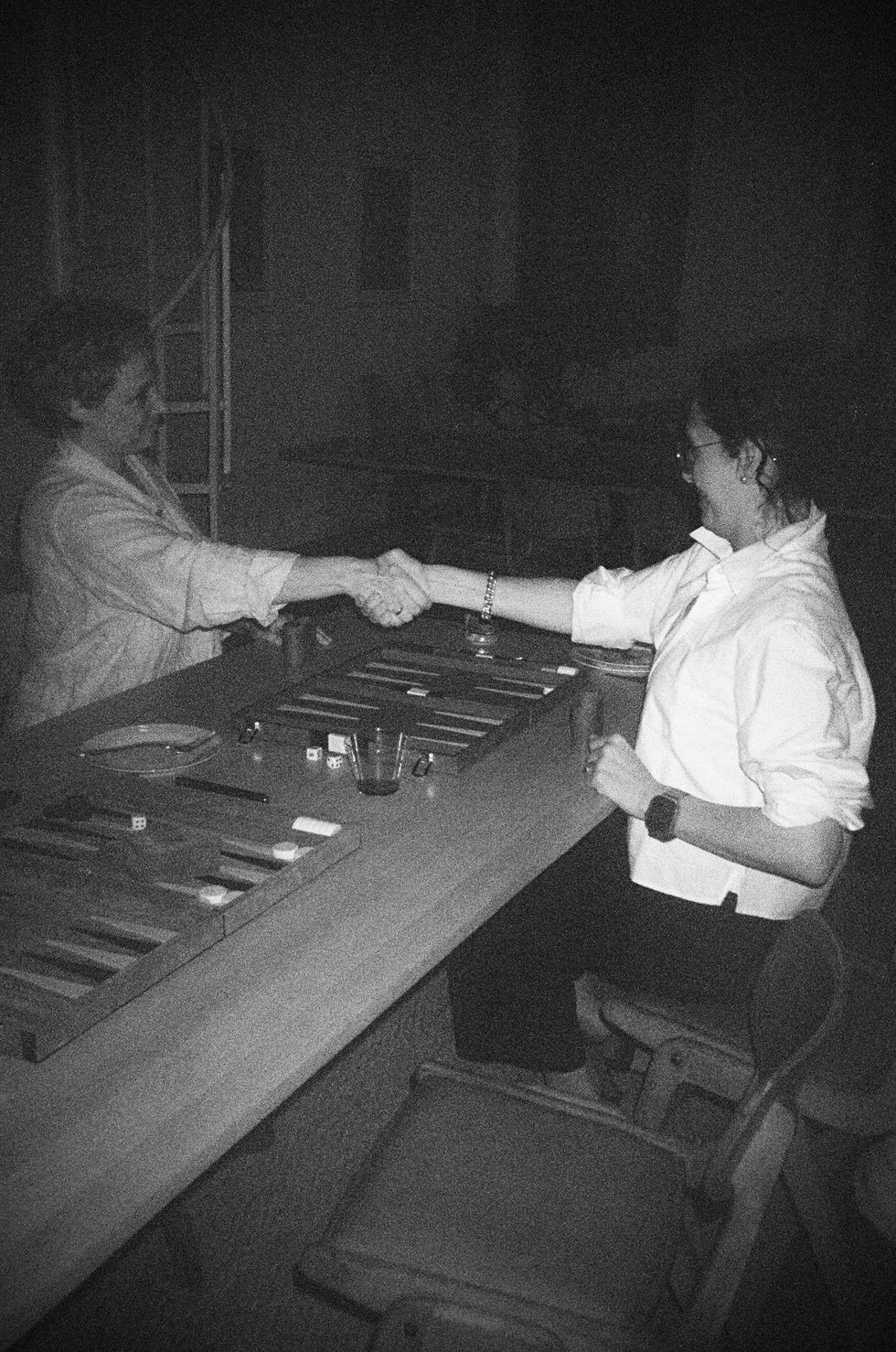
It's hard to say who started the Lesbian Bisexual Backgammon League.
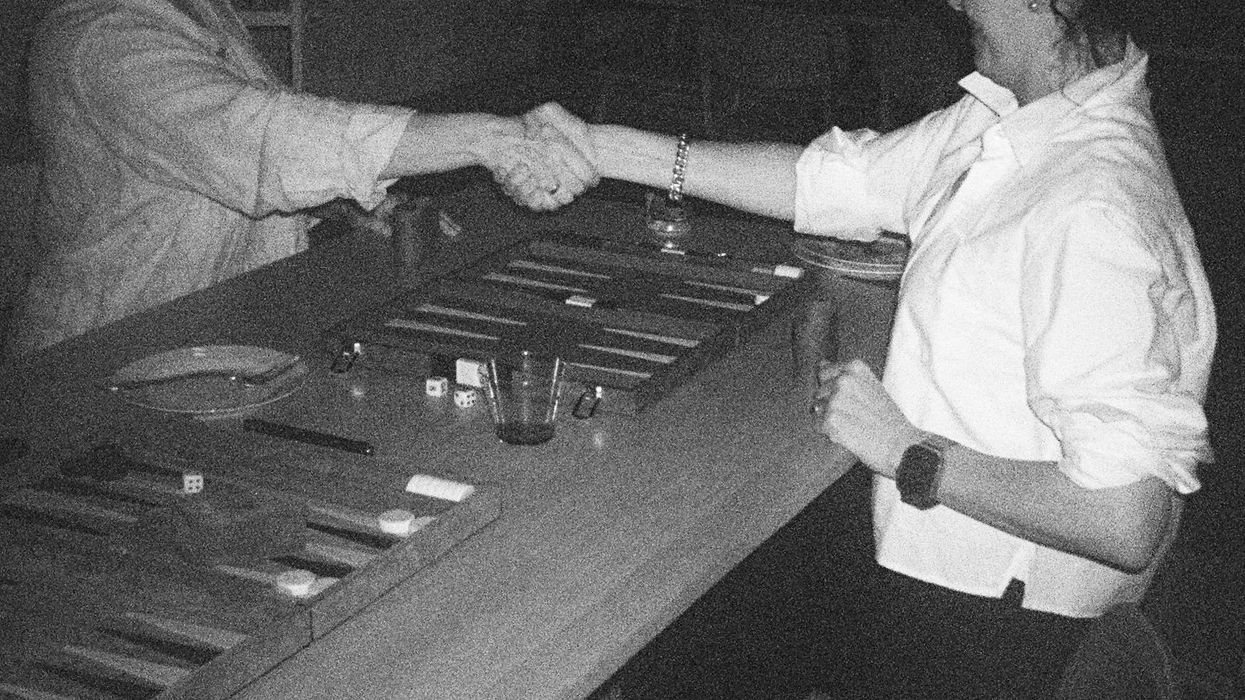
Part social club, part backgammon tournament, the league (known casually as the LBBL) brings together queer women from across New York's art world in friendly competition. I first ask Stefania Bortolami, the established Tribeca gallerist who acts as the league’s host, but she deflects the question. “I didn’t! I just have the space for it now,” she insists modestly, waving her hand around at Bortolami Gallery’s third floor. Long tables are laid out with backgammon boards in neat rows, where women face each other in spirited competition. However, the games are secondary to the lively banter that fills the room; interviewing them is a challenge, as they all talk at once and have conflicting narratives.
After ten minutes of back and forth, they finally decide that it probably started in 2016, when SeeSaw founder Ellen Swieskowski met interior designer Hester Hodde at Cubbyhole. “I like to joke that it started out as a single lesbian support group,” says Swieskowski. “We all met at Cubbyhole initially, we were all single, and we needed an excuse to bring in more and more lesbian and bisexual women. We really just wanted to widen the net to get as many girls to come as possible.” The table erupts with laughter, but she shrugs with a grin. “It’s true! It was like, if you’ve ever made out with a girl, you’re invited.”
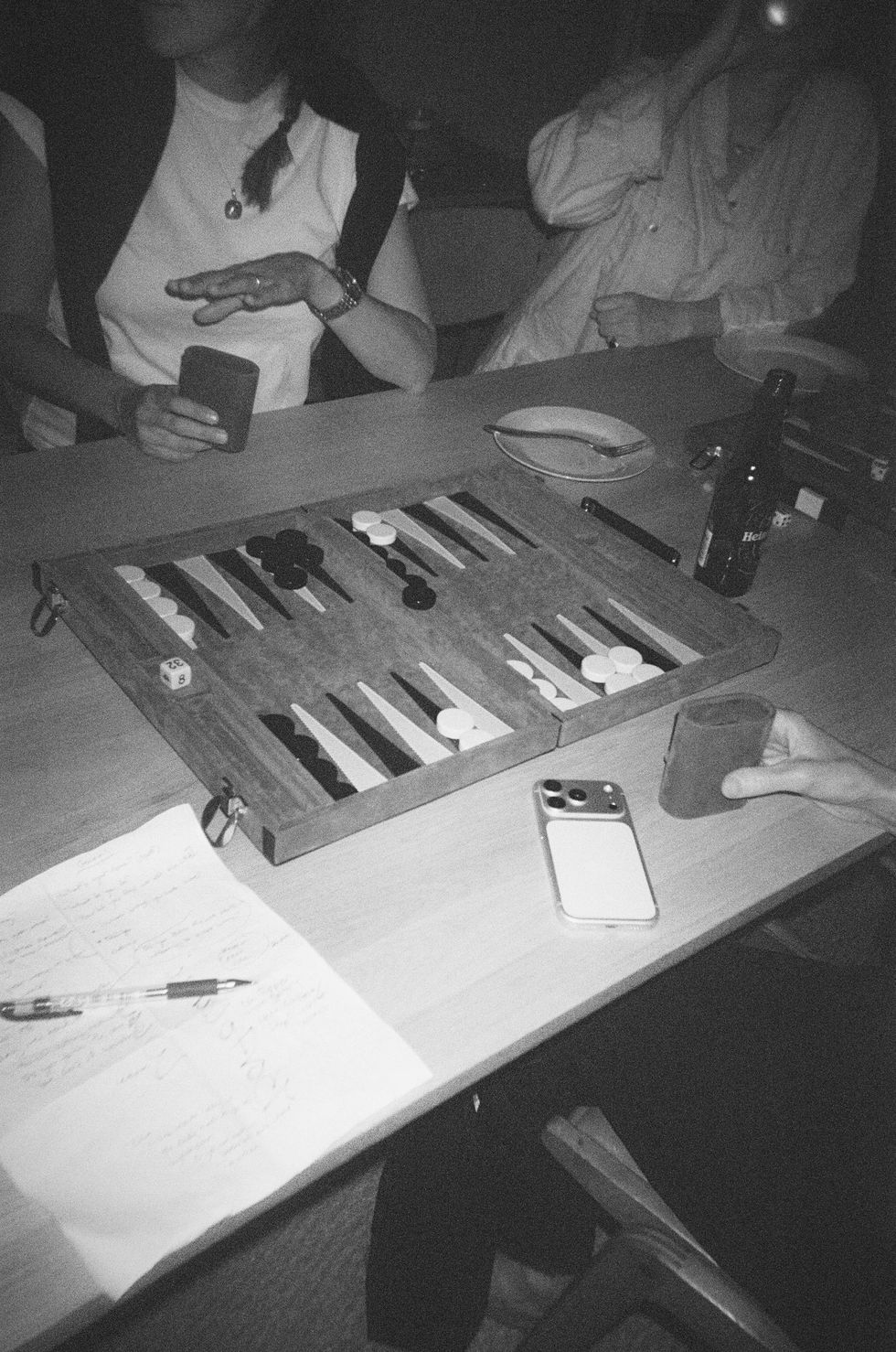

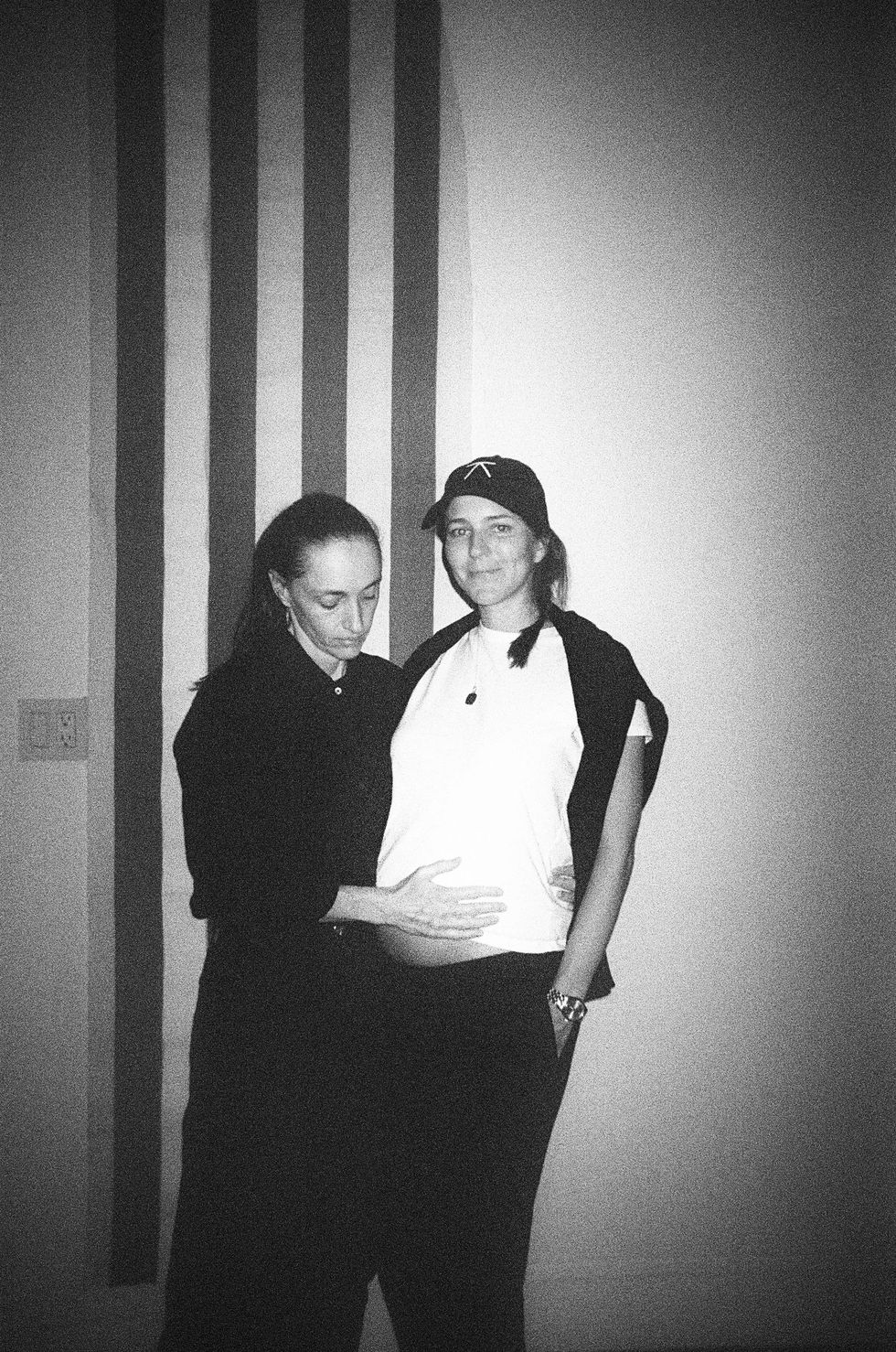
Bortolami maintains that the league isn’t strictly limited to queer women, but you wouldn’t know that by the heavily female attendance. Half the league seems to have dated each other in the past, and they casually swap stories about old girlfriends and lovers who have passed through. Bortolami had first been initiated into the league by gallerist Ellie Rines back when they were dating; today, Rines (heavily pregnant and beaming) is still an active member of the LBBL, but she leaves her boyfriend at home. “There’s definitely a lesbian art world mafia, and Stefania is the head of it,” she declares loudly. Bortolami does not seem to agree.
While the Lesbian Bisexual Backgammon League is one of the few spaces in the art world — and the world at large — carved out for queer professional women that has stood the test of time, to Bortolami, the queerness of it all is secondary to the friendship. In an art world oversaturated with networking events, most of them transactional by design, the Lesbian Bisexual Backgammon League asks very little of its members beyond showing up: there are no membership dues, no professional expectations, and no pressure to make contacts or advance careers. The backgammon board simply provides an excuse to gather. “What I like is that there is no pressure,” says Bortolami. “You don’t have to commit to a dinner, you can get in and out whenever you want. But you always have a reason to chat with someone, or meet someone new, because you’re playing a game.”
An invite to the LBBL is a hot ticket, since newcomers can only attend if they're brought in by a current member. This offline and friends-only dynamic has only deepened its reputation as a secret club.
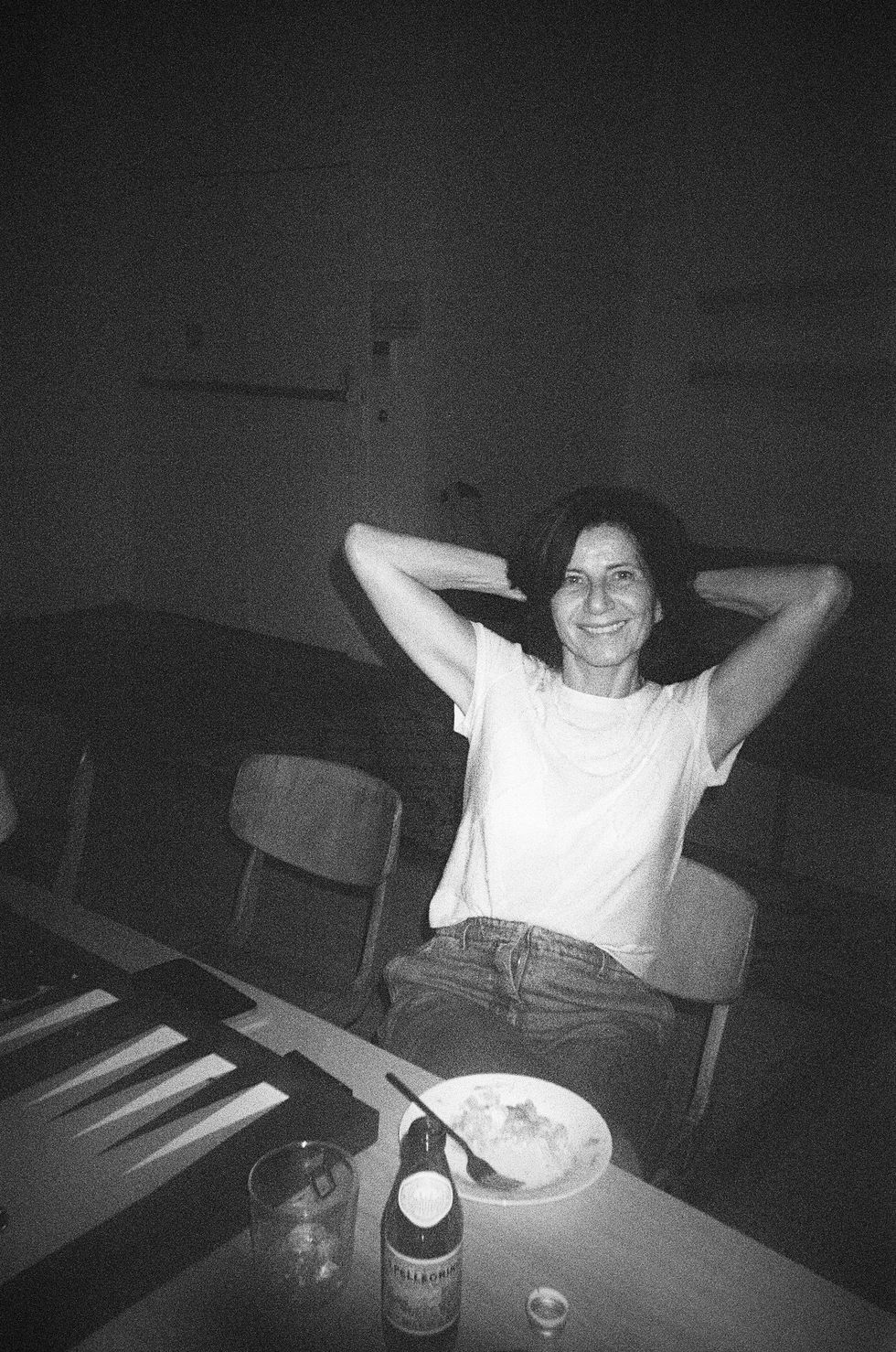
At June's Art Basel, the moment I mentioned I was attending a meeting, people immediately wanted to know how I'd gotten an invitation. "They're too cool. I've been trying to get them to do something official with us, but they're impossible to organize with. They're determined to stay small," one museum curator told me, requesting anonymity. Lin Tyrpien, founder of Lyle Gallery, says that she heard of the group as a whisper somewhere on the ethers of the internet. “It was maybe one sentence I read online a few years ago. I knew I needed to find my way into this somehow, so I talked to pretty much every lesbian I knew in the art world. I was able to get myself here in six months!”
That exclusivity, however, is mostly accidental.
"We reached the limit of our iMessage group chat," Bortolami admits. "And we're too lazy to move it to WhatsApp. So it's hard to invite new people." That confession sparked a short-lived effort to migrate everyone over to WhatsApp, but there were multiple inconveniences. Not everyone has the app, half the group wasn't there to weigh in, and the idea soon died out. Still, the community that has grown around the LBBL is defined less by exclusivity than by a tangible sense of solidarity. It’s hard to tell who is a seasoned member and who is a newcomer, largely because of how freely conversation and banter seems to flow between the players. Lin says, “There’s such a high caliber of professional women that come here…and there is an immediate guard down, since we’re all gay.”
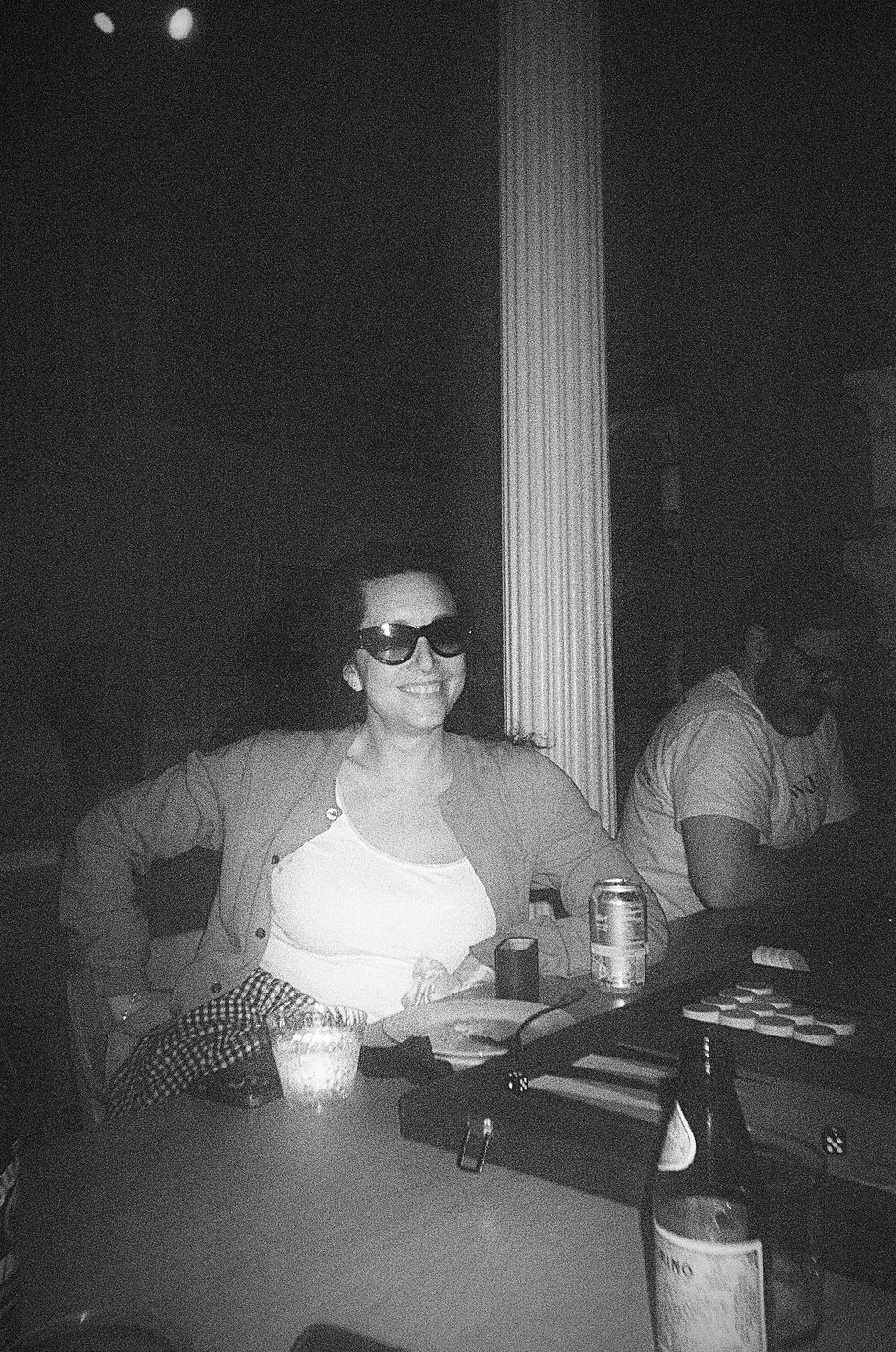
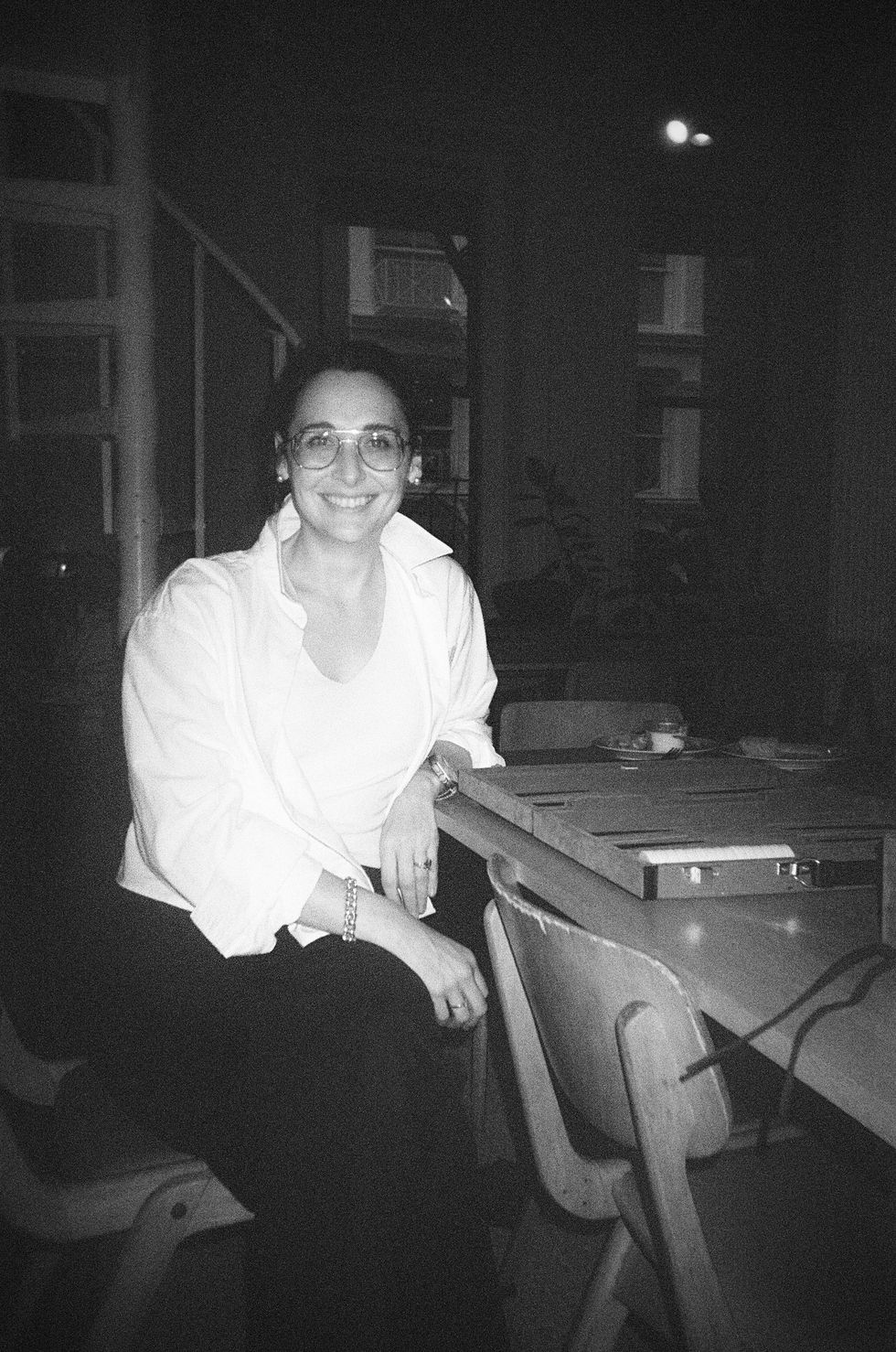
Linda Ginsberg, passionate art collector and elite legal recruiter, adds to this sentiment. “There’s a joint understanding of what it means to be a lesbian,” she says. “I have straight friends too, but the gift of gay community is that there is so much I don’t have to explain, and I don’t have to deal with people making assumptions about my life.”
The paradox of the LBBL is that its distinctly queer foundation allows queerness to become almost incidental, instead letting them focus on what they argue is the most important part of the league: backgammon. When asking art lawyer Megan Noh how she felt attending her first LBBL, she looked disappointedly down at her board and said quite seriously, “I’m devastated that I did not win… but I’m going to try again.” A testament to the resilience of queer community? Perhaps. Or maybe lesbians are just remarkably competitive.
Either way, the community had already done its job: by the time I left, I wasn't wondering whether I'd be invited back — I was wondering how quickly I could learn backgammon.
Photography by Lizard Chung