Burkina Faso’s Bold Move to Unified Governance as the “Only Party”
In a move that has sent ripples across the continent and sparked a profound conversation on the nature of African sovereignty, Burkina Faso has officially declared a departure from the multi-party system. Prime Minister Rimtalba Jean Emmanuel Ouédraogo recently articulated a vision that is as provocative as it is historic: Burkina Faso is no longer [...]
 Black News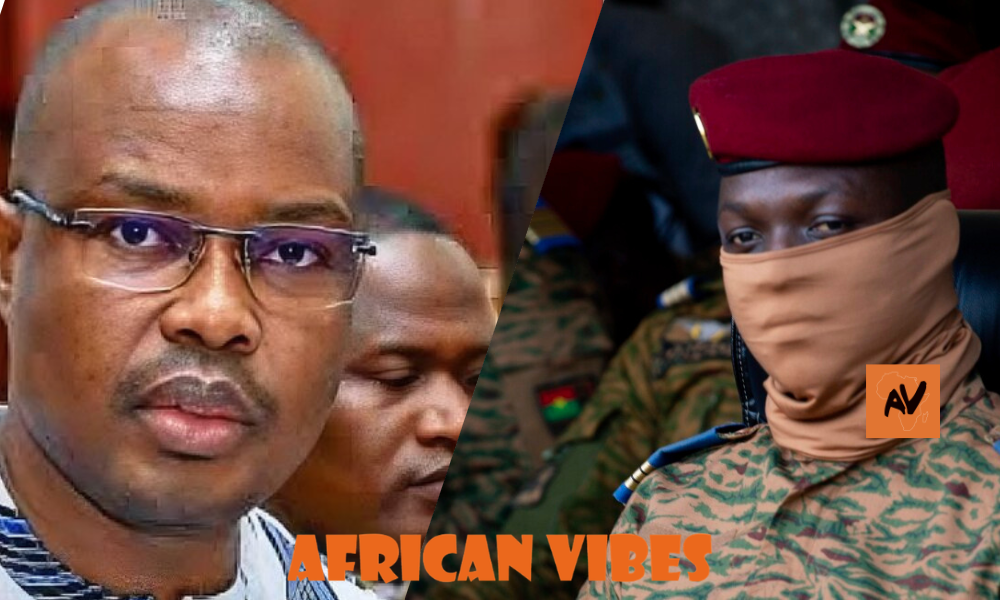

In a move that has sent ripples across the continent and sparked a profound conversation on the nature of African sovereignty, Burkina Faso has officially declared a departure from the multi-party system. Prime Minister Rimtalba Jean Emmanuel Ouédraogo recently articulated a vision that is as provocative as it is historic: Burkina Faso is no longer a country of competing political factions, but a nation where the state itself—and its people—function as the singular, unified “party.”
This announcement isn’t merely a change in policy; it is a radical re-imagining of the Burkinabé identity. In a world where Western-style multi-party democracy is often presented as the only path, Ouagadougou is choosing a path of endogenous governance, prioritizing national survival and collective unity over partisan competition.
ALSO READ: Burkina Faso’s Pivot to Russia: Traoré’s Russia Visit Bold New Foreign Policy
From Fragmentation to Fusion
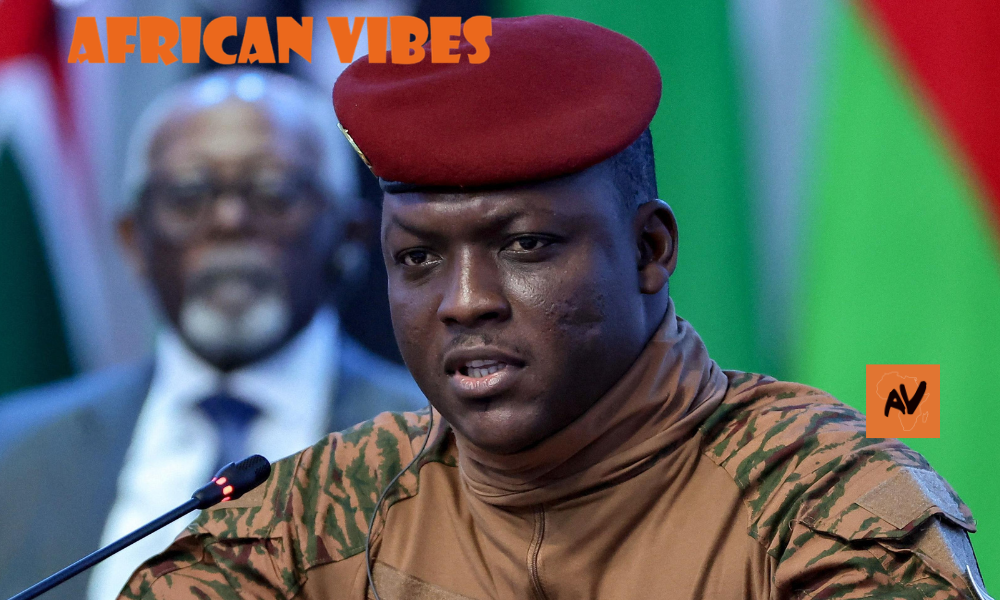
The seeds of this transformation were sown in January 2026, when the military-led government, under the leadership of Captain Ibrahim Traoré, dissolved the legal frameworks governing political parties. For many in the administration, the old system was a legacy of colonial structures that fostered division at a time when the country needed total cohesion to combat regional insecurity.
By April 2026, the transition reached its zenith. PM Ouédraogo’s declaration frames the country not as a suppressed political landscape, but as an evolved one. “We are moving past the era where our energy was wasted on internal bickering,” the administration suggests. The focus has shifted toward a “Nation-First” model, where every citizen is a stakeholder in the country’s security and development, rather than a member of a specific political silo.
A Search for Authenticity
At the heart of this shift is the Pan-African quest for self-determination. For decades, many African intellectuals have argued that multi-party systems in the Sahel often mirrored ethnic or regional divides rather than ideological ones. Burkina Faso’s current leadership is betting on the idea that by removing these “artificial” labels, the spirit of the Land of Upright Men can be channeled into a singular, powerful force for African progress.
Critics and rights groups have raised concerns regarding the narrowing of civic space. However, on the streets of Ouagadougou and Bobo-Dioulasso, there is a palpable sense of a “Sacred Union.” The government’s narrative emphasizes that in a state of war against insurgency, the luxury of partisan politics must be traded for the necessity of national survival.
ALSO READ: Human Rights Watch Accuses Burkina Faso of War Crimes. Traoré Responds
Rebuilding the State from Within
The “One-Party” state in the Burkinabé context is being presented as an inclusive, grassroots-driven system. The “rebuilding of the state” involves:
- Community Councils: Shifting power to local levels where decisions are made through consensus rather than contest.
- National Mobilization: Encouraging the Volunteers for the Defense of the Homeland (VDP) and civilian groups to see themselves as the primary guardians of the state.
- Economic Sovereignty: Focusing on internal resources to fund the national effort, reducing dependence on foreign aid that often comes with political strings attached.
A Continent Watching
Burkina Faso is currently a laboratory for a new kind of African statehood. Whether this “One-Nation” paradigm will lead to the lasting peace and stability the region craves remains the ultimate test. What is certain, however, is that Captain Traoré and PM Ouédraogo are committed to a vision of African sovereignty that refuses to be a carbon copy of foreign models.
As the country moves forward, the world is watching a nation attempt to find its “vibe” through unity, proving once again that the path to African prosperity is rarely a straight line, but a journey of courage, compromise, and unyielding hope.