Chad replaces anti-corruption chiefs days after inspectors say they were beaten during state oil audit
Chadian President Mahamat Idriss Déby has replaced the two senior officials leading the country’s anti-corruption authority, days after its inspectors alleged that they were detained and assaulted while auditing the state-owned oil company.
 Black News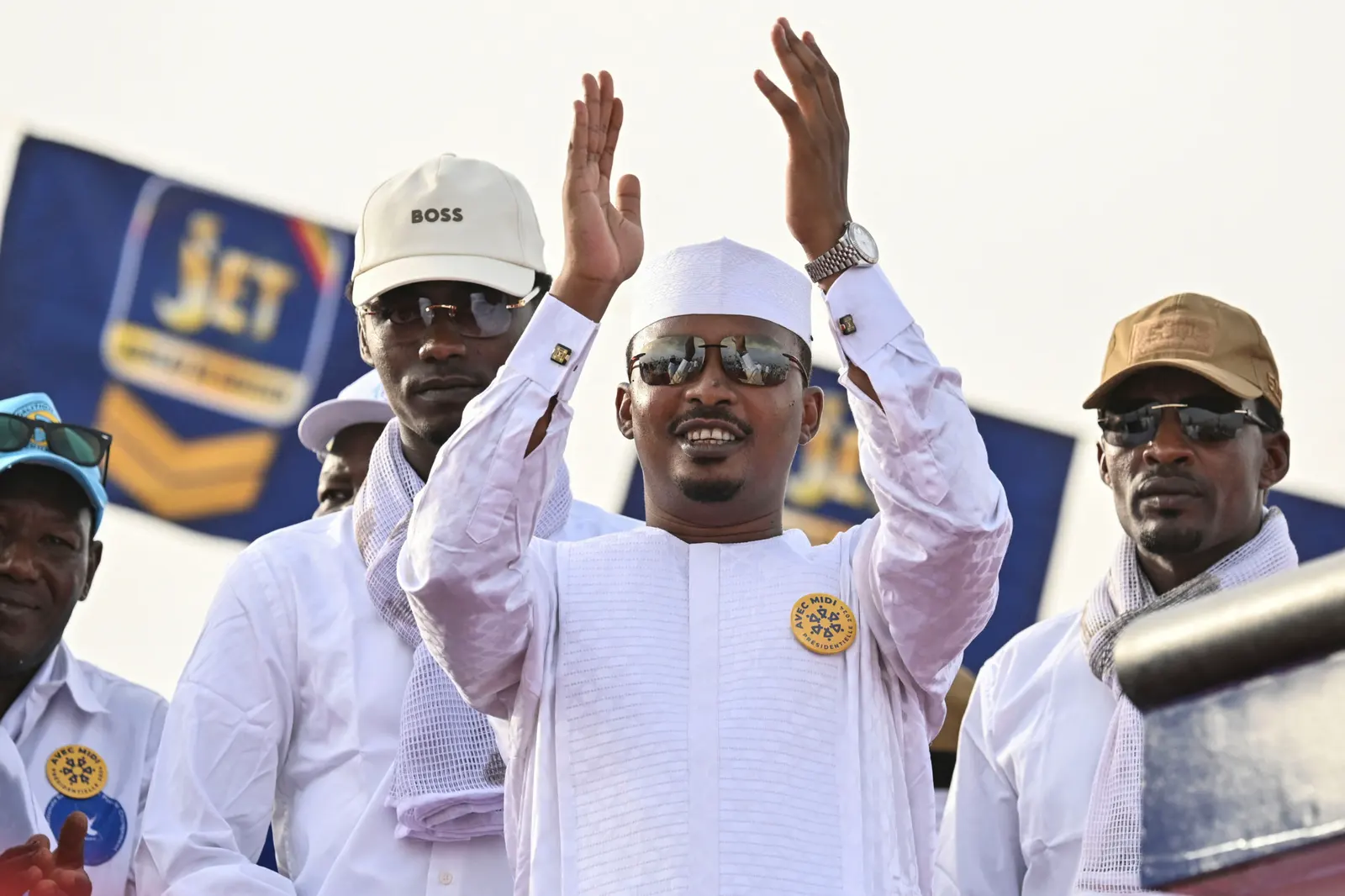


Chadian President Mahamat Idriss Déby has replaced the two senior officials leading the country’s anti-corruption authority, days after its inspectors alleged that they were detained and assaulted while auditing the state-owned oil company.
- Chad has replaced the two senior officials leading its independent anti-corruption authority.
- The decision followed allegations that inspectors were detained and assaulted while auditing the state oil company.
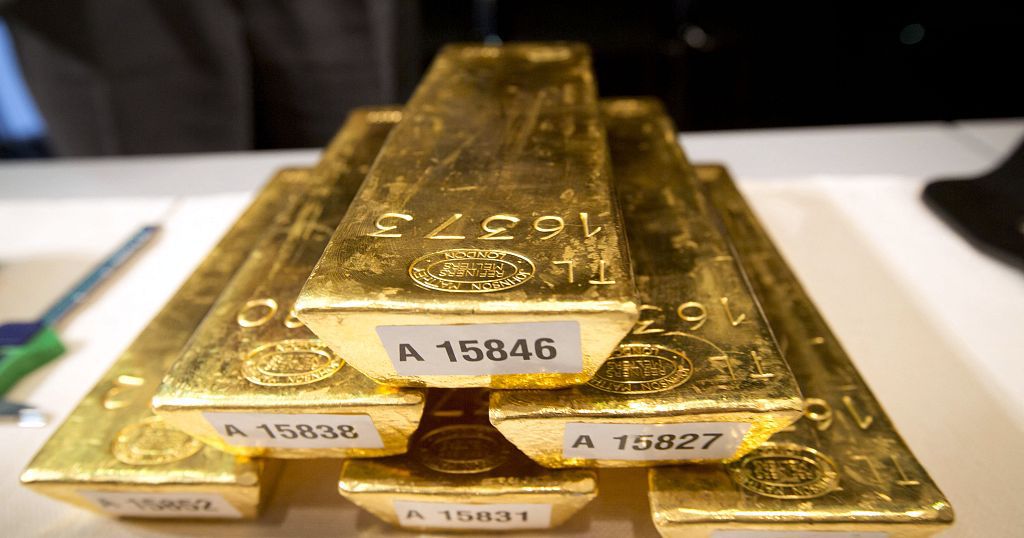
- Inspectors had requested records needed to verify oil revenue, including sales invoices sent to Glencore.
- The presidential decree gave no reason for the leadership change, while the state oil company denied deliberately obstructing the audit.
Under a presidential decree signed on August 14, Nédéou Teubdoyo Gérard was appointed controller-general of the Independent Authority for the Fight Against Corruption, known by its French abbreviation AILC.
He replaced Ousmane Abderaman Djougourou, who had led the authority since February 2025.
Mahamat Saleh Youssouf Wachoun was appointed deputy controller-general, replacing Fatimé Abdelkerim Soumaïla.
The decree did not explain why the officials were removed or refer to the confrontation involving the Société des Hydrocarbures du Tchad, or SHT.
According to Reuters, the leadership change and its proximity to the dispute on Monday.
Inspectors sought documents on oil revenue
The changes came after the anti-corruption authority accused state security agents of disrupting an inspection of SHT’s operations.
In a statement issued on August 12, the AILC said it had sent officials to examine SHT’s financial, material and human-resources management from 2024 to the present.
The inspectors requested documents relating to the state company’s crude oil operations. These included invoices issued to buyers of Chadian crude, including Swiss commodities trader Glencore.
According to the AILC, the documents were required to determine whether the revenue reported from oil sales was complete, accurate and properly managed.
The authority alleged that senior SHT executives refused to provide the requested records despite legal provisions requiring institutions under investigation to cooperate.
It said the confrontation escalated after the head of Chad’s National State Security Agency, known as ANSE, arrived at the company’s premises with masked and heavily armed agents.
DON'T MISS THIS: 10 African countries with the strongest anti-corruption performance
The AILC alleged that its deputy controller-general, investigation director, inspectors and assistants were handcuffed, hooded and assaulted before being taken to ANSE offices.
The officials were allegedly held for several hours, while their phones and computers were seized and examined.
These are allegations made by the anti-corruption authority. No independent investigation has established what happened during the confrontation.
SHT subsequently denied deliberately preventing the inspectors from performing their work. ANSE has not publicly addressed the specific accusations reported by the authority.
Glencore not accused of wrongdoing
The reference to Glencore relates to invoices the inspectors wanted to examine as part of their effort to verify SHT’s oil revenue.
Neither the anti-corruption authority nor another Chadian body has accused Glencore of wrongdoing in connection with this audit. The commodities trader declined to comment when contacted by Reuters.
Glencore nevertheless has a long financial relationship with Chad’s oil sector.
In 2014, Glencore and a group of banks provided SHT with an oil-backed loan of about $1.45 billion. The debt was to be repaid using crude oil cargoes.
A fall in oil prices left Chad struggling to meet its budgetary needs while servicing the loan, forcing the parties to restructure the facility in 2015 and again in 2018.
Under the second restructuring, the maturity was extended to 2030, while the interest rate was reduced and a grace period was granted on principal payments.
DON'T MISS THIS: The deal that saved 1,500 Glencore jobs — and could revive South Africa’s struggling chrome industry
At the time, the International Monetary Fund described aspects of the process used to allocate oil revenue to debt repayment as opaque.
This history does not establish any connection between the earlier debt dispute and the present audit. It does, however, explain why sales invoices involving Glencore could be important when examining the flow of money from Chad’s crude exports.
Oil dominates Chad’s external earnings
The dispute carries greater consequences because of Chad’s dependence on oil.
Oil accounts for about 15% of the country’s economy, 41% of government revenue and 76% of exports, according to the World Bank.
The figures mean that any uncertainty around the recording or management of oil revenue can affect government finances, foreign-exchange earnings and the delivery of public services.
This dependence is particularly important in a country where 44.8% of the population was living below the national poverty line in 2022.
Chad was ranked 157th out of 182 countries in Transparency International’s latest Corruption Perceptions Index, placing it among the lowest-ranked countries globally.
DON'T MISS THIS: China leads Chad’s oil revival with US$4.5bn refinery upgrade as Western oil giants exit
The AILC was established in 2023 as an administratively independent body empowered to investigate corruption and related offences in public institutions and private companies dealing with the state.
Before the change in leadership, the authority said it intended to continue its investigation into the management of Chad’s petroleum resources and identify any legal responsibility arising from its findings.
The government has not clarified whether that investigation will continue under the newly appointed leadership.
That unanswered question is now central to the dispute. The decree may be an ordinary administrative reshuffle, but its timing, two days after the authority publicly alleged violence against its inspectors, is likely to raise concerns about the independence of Chad’s anti-corruption institutions.










![Much More Than A Miscarriage Of Justice: Lana Adams On The Man, The Misfortune & The Mission Behind ‘42 Years For Nothing’ [Exclusive]](https://bossip.com/wp-content/uploads/sites/28/2026/08/image-collage-35.jpg?quality=80&strip=all&w=1680&crop=0,0,100,960px#)