Coolest Person in the Room: Jeremy O'Harris
Popularity is relative, especially in the digital age. For our series, Coolest Person in the Room, we pinpoint all the people whose energy is contagious regardless of their following count or celebrity.Carey: Yeah. I was just saying, I've only met you in person once, and it was that one time.Jeremy: Wait, was that really the only time we've met in person?Carey: Yes.Jeremy: That's so crazy. You have such an indelible spirit. I feel like you're so loud in my life, in a good way, like, in my memory as well.Carey: Yeah.Jeremy: We must have run into each other since then. I feel like we have.Carey: No, we haven't. You saw Simon, my husband, at something in Arkansas. You met him.Jeremy: That's so random.Carey: I know.Jeremy: Let me wash my hands during a quick break. And that's the power of parasocial relationships. You know what I mean?Carey: It is. I mean, that was 2016.Jeremy: I know. I know.Carey: I think you were still in school.Jeremy: I was just starting school.Carey: Yeah. And you were like, the next morning, you were like, "Got to go. Got to go back to New Haven." I was like, “Bye.”Jeremy: I love that it's just known as that night because wasn't that the last night for you?Carey: I was winding down.Jeremy: Yeah.Carey: I had about a month or two left of that run.Jeremy: Yeah. And now you're free.Carey: Now I'm free. It was a powerful night with me, you and a few other individuals. And we had a fun New York kind of -Jeremy: Brooklyn.Carey:—Brooklyn gay.Jeremy: I don't even go there anymore.Carey: Yeah, we were at Metro, and then we just had a whole kiki together till about eight in the morning.Jeremy: Yeah. Hold on one second, hold on.Carey: Okay.Jeremy: Anywho. Yeah. What's up? Yeah. Thank you for having me.Carey: I'm happy to do this. Well, when I met you, I was working at PAPER.Jeremy: Oh, I didn't know that.Carey: This is a full circle. Joan is a friend of mine, and she asked me to do this. And I'm such a fan of yours, and I was just excited to talk to you and catch up. You've had a big few years.Jeremy: No, it's so cool. It's so cool. It's been a crazy shift in the last decade.Carey: Yeah, obviously this year you had Yurupsa. Is that how it is pronounced?Jeremy: Arupsia.Carey: Arupsia. Did you produce on Euphoria?Jeremy: Not this season.Carey: You produced on season two, right?Jeremy: One and two, yeah.Carey: Okay. Yeah. And you're working on The Wives, right?Jeremy: Yeah.Carey: Okay. I just feel like you're so prolific.Jeremy: Oh, that is very kind.Carey: Well, no, I mean, it's true. You're a globetrotter. I'm just wondering, truly, where do you find the time?Jeremy: You don't. I mean, there are things that fall by the wayside all the time. I think that it's good for people to know that I'm often late on deadlines. I'm often behind in 5,000 other things because as ambitious and excited as I am to do a lot of things a lot of times, there are times when you can put your life on the back burner, and your real life is on the back burner, and work is in the front. And so you're doing all that, and you're accomplishing a lot of things. And then there are times when you're supposed to be working on work, but life is there, and it's loud. And if you continue to put it on the back burner, things will burn up, which I'm in the whirlwind of right now. It's constantly like, "Oh, wait, so this is happening back home with my mom and this is what's going on with my nieces and nephews. Oh, this is what my partner needs. Got it. Oh, wait, there's a script too. Oh, you want me to be on a Zoom? Got it." It was really triggering to read Lena Dunham's book, to be like, oh, it's not just because I'm Black and gay. They don't believe that anyone should have autonomy when the business is calling.Carey: Yeah. I mean, I feel like writers get depersonalized and dematerialized and then you're supposed to be this disembodied thing that can just—Jeremy: People are like, "What? You’re going through something? You can't just write."Carey: Yeah. “Why aren't you writing?”Jeremy: “Oh, sorry, my life is falling apart.”Carey: I've always admired, just from keeping up with you, I've always admired how honest you are about, yeah, I'm late on something, but I want to make sure it's great.” And like you were just saying, “Life is happening to me. I can't just immediately cough this up.” And I think that's really cool and brave— bravery that maybe I feel like I don't have that so much as a writer too because I'm just like -Jeremy: Wait, so you would just cough it up? Even if you thought it was bad?Carey: No, I mean I'm a perfectionist, so I go psycho. And I'm such a people pleaser to a degree that it’s something I'm working on, which has been a long struggle. And I feel like sometimes I twist my stomach inside out because I'm trying to, like, you know what I mean? And when I could really just be like, I need to be on my own pace where I still feel like a person. And I've always admired how you give, I don't know, you stand up for writers, wh
 Black News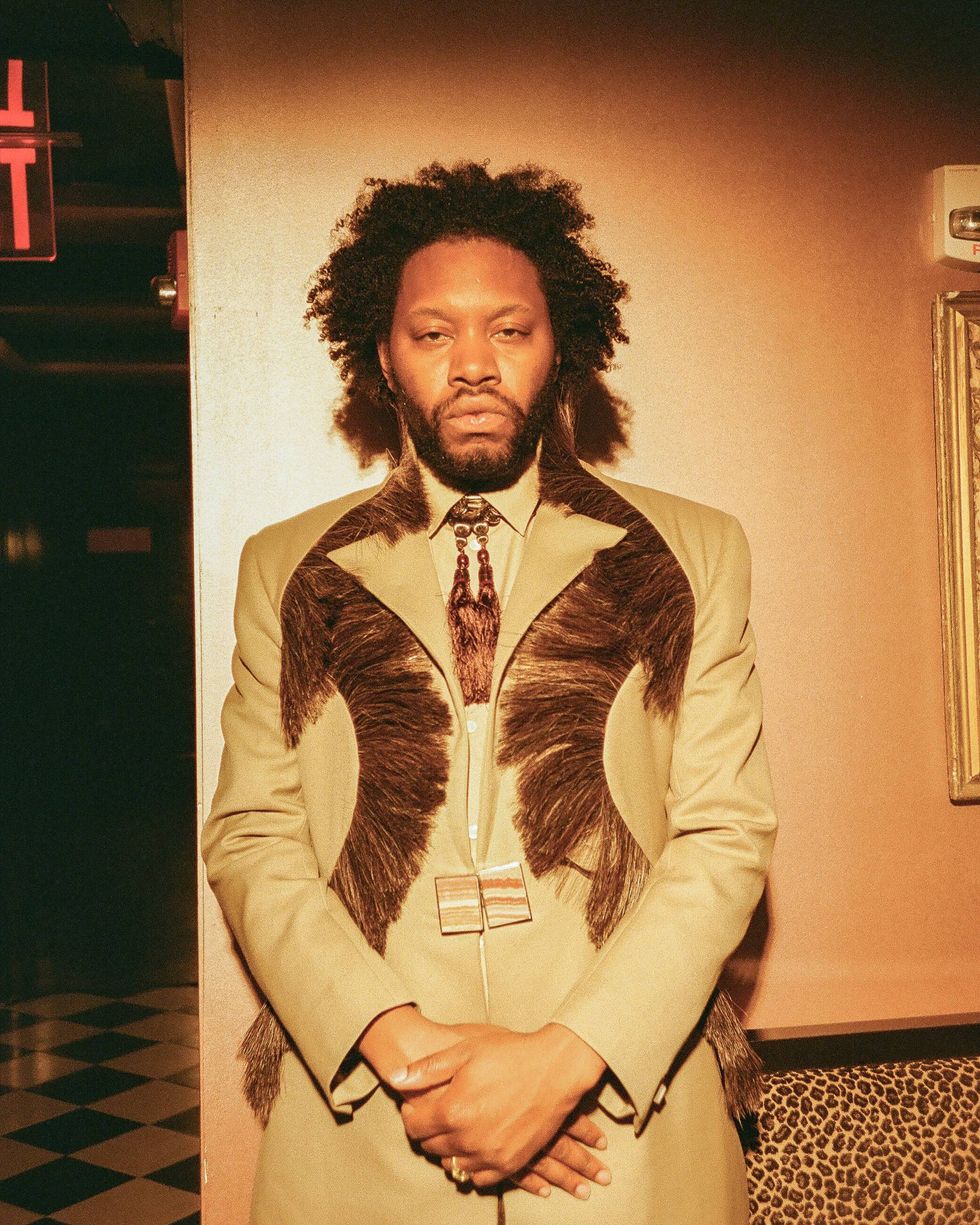

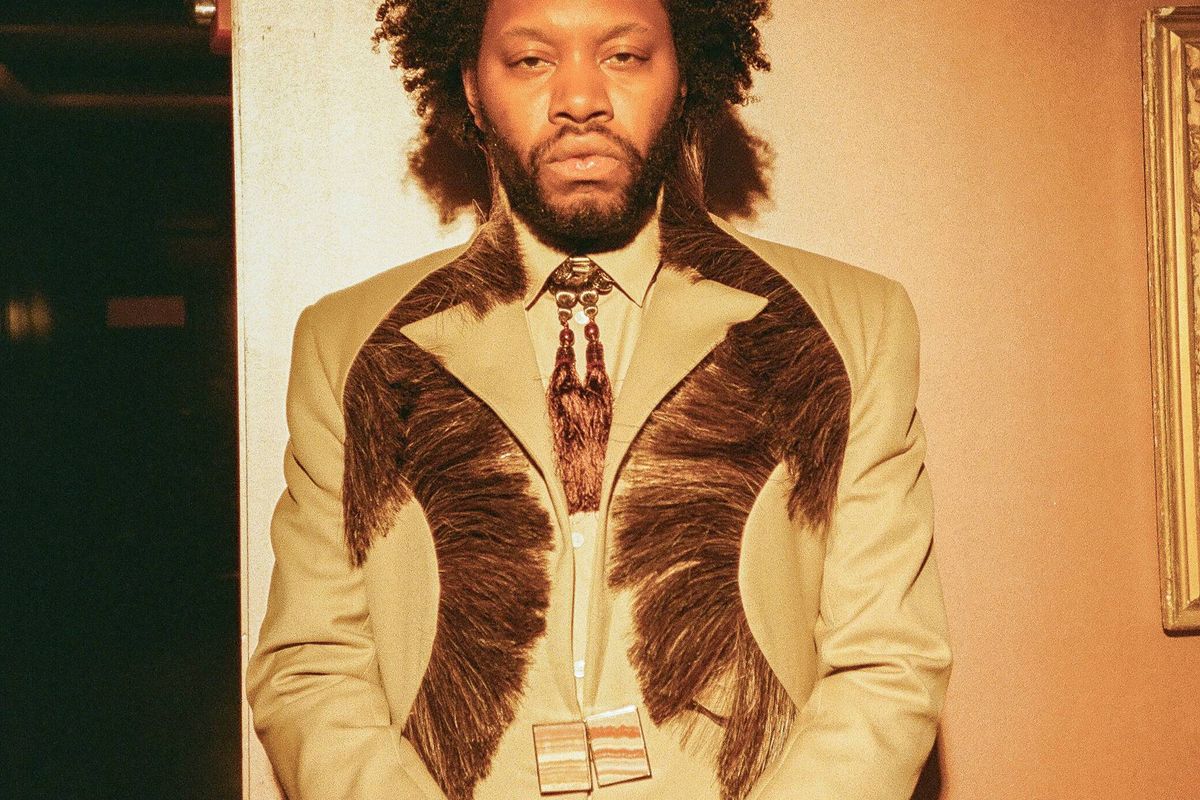
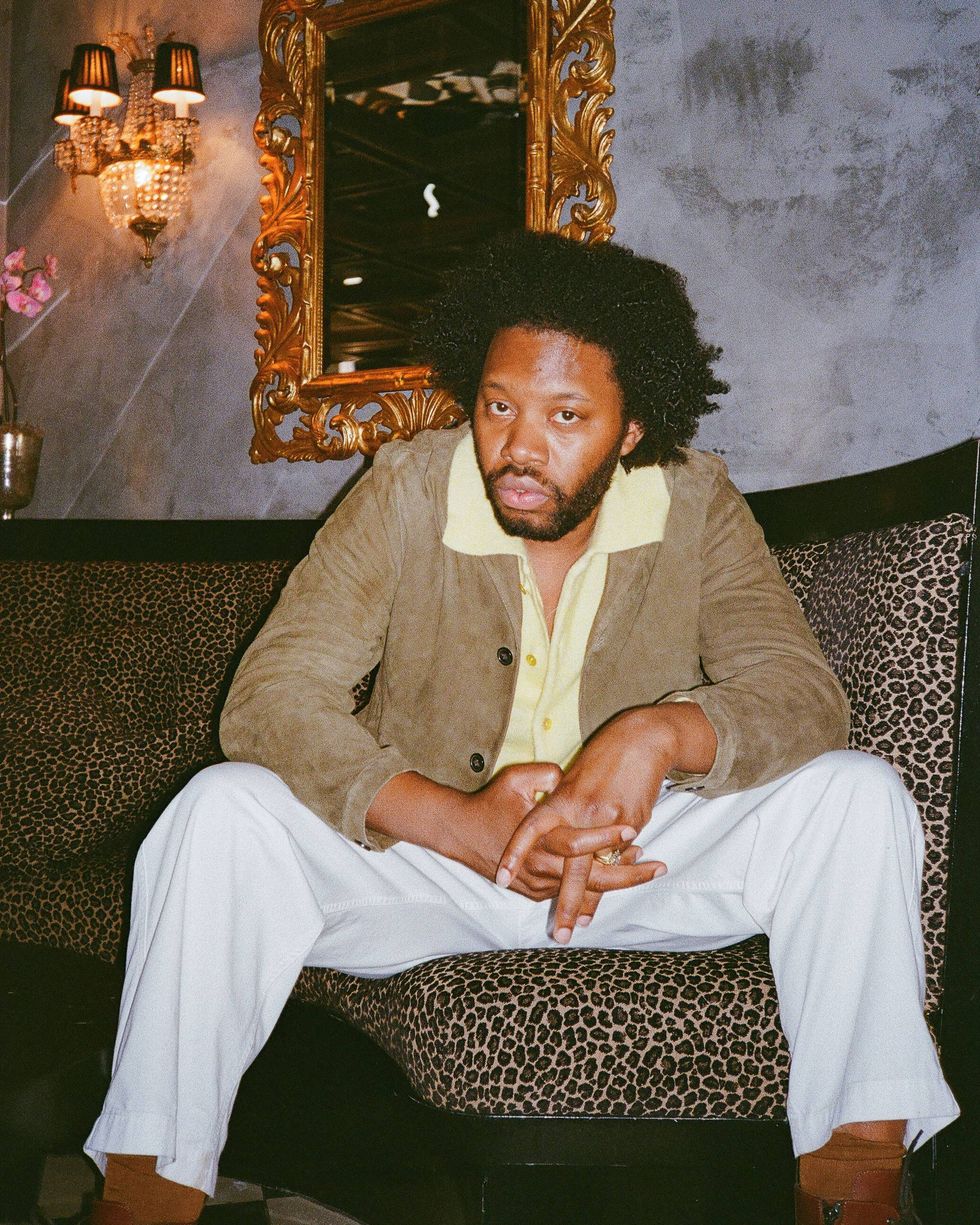
Popularity is relative, especially in the digital age. For our series, Coolest Person in the Room, we pinpoint all the people whose energy is contagious regardless of their following count or celebrity.

Carey: Yeah. I was just saying, I've only met you in person once, and it was that one time.
Jeremy: Wait, was that really the only time we've met in person?
Carey: Yes.
Jeremy: That's so crazy. You have such an indelible spirit. I feel like you're so loud in my life, in a good way, like, in my memory as well.
Carey: Yeah.
Jeremy: We must have run into each other since then. I feel like we have.
Carey: No, we haven't. You saw Simon, my husband, at something in Arkansas. You met him.
Jeremy: That's so random.
Carey: I know.
Jeremy: Let me wash my hands during a quick break. And that's the power of parasocial relationships. You know what I mean?
Carey: It is. I mean, that was 2016.
Jeremy: I know. I know.
Carey: I think you were still in school.
Jeremy: I was just starting school.
Carey: Yeah. And you were like, the next morning, you were like, "Got to go. Got to go back to New Haven." I was like, “Bye.”
Jeremy: I love that it's just known as that night because wasn't that the last night for you?
Carey: I was winding down.
Jeremy: Yeah.
Carey: I had about a month or two left of that run.
Jeremy: Yeah. And now you're free.
Carey: Now I'm free. It was a powerful night with me, you and a few other individuals. And we had a fun New York kind of -
Jeremy: Brooklyn.
Carey:—Brooklyn gay.
Jeremy: I don't even go there anymore.
Carey: Yeah, we were at Metro, and then we just had a whole kiki together till about eight in the morning.
Jeremy: Yeah. Hold on one second, hold on.
Carey: Okay.
Jeremy: Anywho. Yeah. What's up? Yeah. Thank you for having me.
Carey: I'm happy to do this. Well, when I met you, I was working at PAPER.
Jeremy: Oh, I didn't know that.
Carey: This is a full circle. Joan is a friend of mine, and she asked me to do this. And I'm such a fan of yours, and I was just excited to talk to you and catch up. You've had a big few years.
Jeremy: No, it's so cool. It's so cool. It's been a crazy shift in the last decade.
Carey: Yeah, obviously this year you had Yurupsa. Is that how it is pronounced?
Jeremy: Arupsia.
Carey: Arupsia. Did you produce on Euphoria?
Jeremy: Not this season.
Carey: You produced on season two, right?
Jeremy: One and two, yeah.
Carey: Okay. Yeah. And you're working on The Wives, right?
Jeremy: Yeah.
Carey: Okay. I just feel like you're so prolific.
Jeremy: Oh, that is very kind.
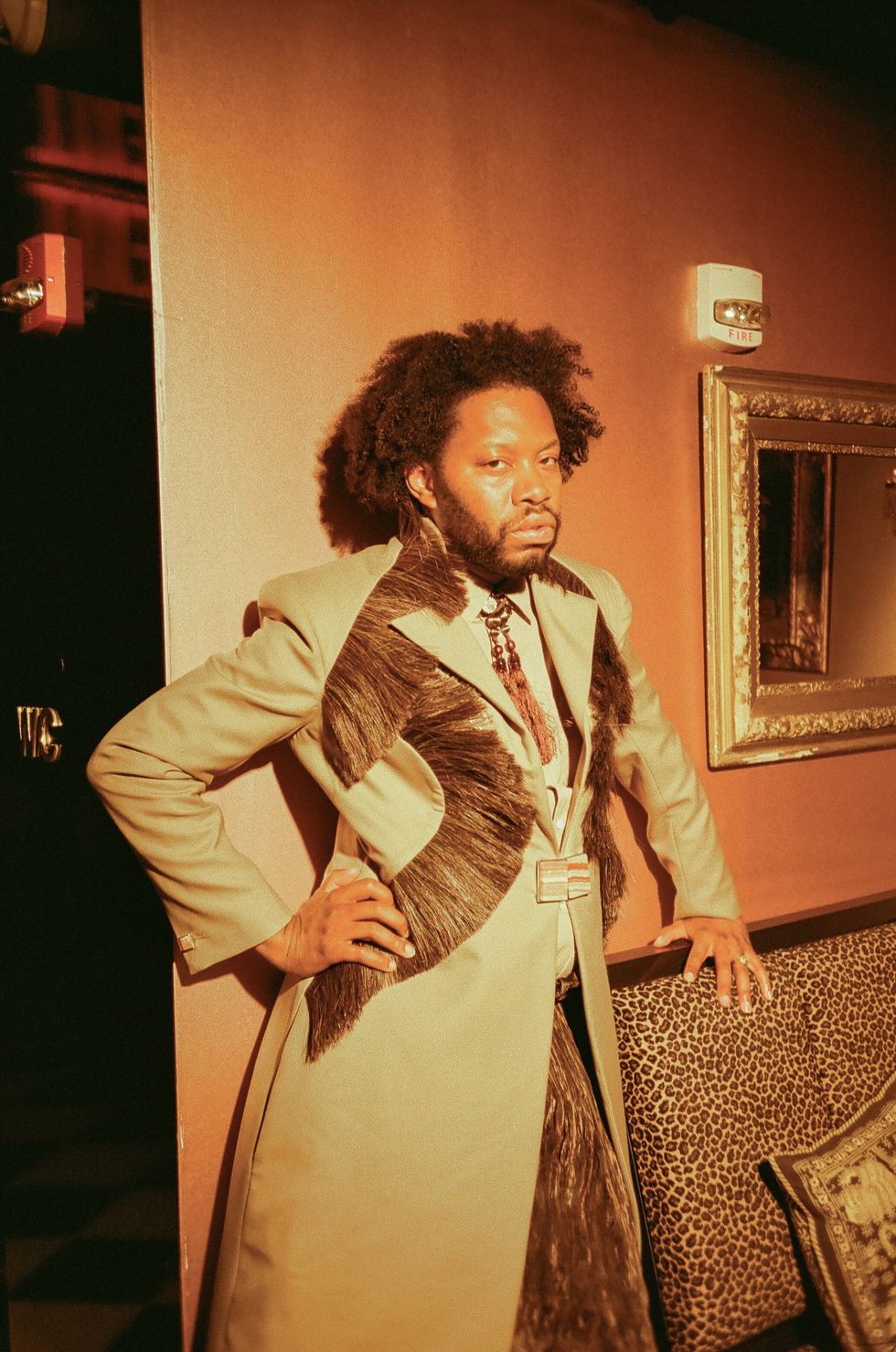
Carey: Well, no, I mean, it's true. You're a globetrotter. I'm just wondering, truly, where do you find the time?
Jeremy: You don't. I mean, there are things that fall by the wayside all the time. I think that it's good for people to know that I'm often late on deadlines. I'm often behind in 5,000 other things because as ambitious and excited as I am to do a lot of things a lot of times, there are times when you can put your life on the back burner, and your real life is on the back burner, and work is in the front. And so you're doing all that, and you're accomplishing a lot of things. And then there are times when you're supposed to be working on work, but life is there, and it's loud. And if you continue to put it on the back burner, things will burn up, which I'm in the whirlwind of right now. It's constantly like, "Oh, wait, so this is happening back home with my mom and this is what's going on with my nieces and nephews. Oh, this is what my partner needs. Got it. Oh, wait, there's a script too. Oh, you want me to be on a Zoom? Got it." It was really triggering to read Lena Dunham's book, to be like, oh, it's not just because I'm Black and gay. They don't believe that anyone should have autonomy when the business is calling.
Carey: Yeah. I mean, I feel like writers get depersonalized and dematerialized and then you're supposed to be this disembodied thing that can just—
Jeremy: People are like, "What? You’re going through something? You can't just write."
Carey: Yeah. “Why aren't you writing?”
Jeremy: “Oh, sorry, my life is falling apart.”
Carey: I've always admired, just from keeping up with you, I've always admired how honest you are about, yeah, I'm late on something, but I want to make sure it's great.” And like you were just saying, “Life is happening to me. I can't just immediately cough this up.” And I think that's really cool and brave— bravery that maybe I feel like I don't have that so much as a writer too because I'm just like -
Jeremy: Wait, so you would just cough it up? Even if you thought it was bad?
Carey: No, I mean I'm a perfectionist, so I go psycho. And I'm such a people pleaser to a degree that it’s something I'm working on, which has been a long struggle. And I feel like sometimes I twist my stomach inside out because I'm trying to, like, you know what I mean? And when I could really just be like, I need to be on my own pace where I still feel like a person. And I've always admired how you give, I don't know, you stand up for writers, which is cool.
Jeremy: I do. I mean, I really try to, especially in my company, to protect writers and celebrate writers and really make a place for them to do their best work because I don't think that in a product-focused arena when filmmaking or theater making becomes about the product and not about the process, I feel like we forget about the person who created this thing because I don't think that it's supposed to be a product. I think it is supposed to be this extension of someone's whole being at its best. There are definitely things that are products. I could name some people's work, but I'm sure they'd be like, "That wasn't a product.That was this deeply personal thing." And I'm like, "Oh, really? Damn." It felt like trash. But the thing is, no matter what, I think that there are definitely a lot of people who really, really, really want to be making art and are making art who aren't being protected in doing so. So I wanted to make a place to protect them with this little company of mine.
Carey: Well, before I ask about the company, going back to Famesick, since I feel like that's kind of the book of the year, was there any anecdote or any one of her tales that you related to the most about feeling sort of crushed by the... Or I feel like they try to ring people out like a towel and just—
Jeremy: Yeah, I think...Wait, hold on, can I take this call really, really quickly and call you right back?
Carey: Yeah.
Jeremy: Oh f*ck, nevermind. I've already missed them. I've missed them already. It's fine. I'm directing a music video in L.A. next week, and the agents for the DPs were just calling me on. And it's a holiday weekend for CAA. And they—
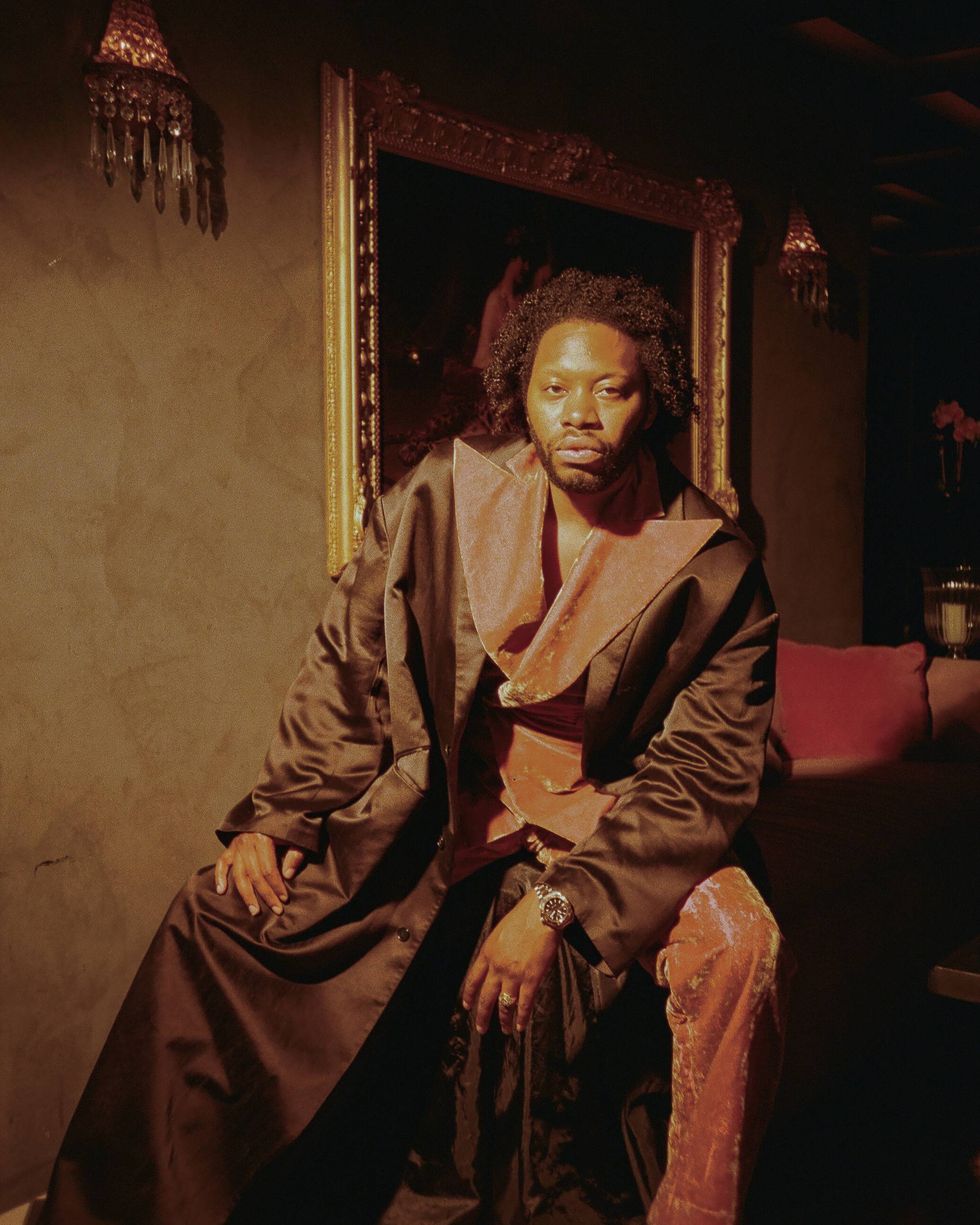
Carey: Do you want to take the call?
Jeremy: Yeah, let me try to call her back really quickly. Okay. Okay, great. Hold on. Okay, let me call you right back. Bye.
Hi, beauty. I'm back. I'm so sorry. We need a DP next week, and it's been hell.
Carey: Don't worry. So, you're doing music videos now?
Jeremy: This is my first one. We'll see. I don't know if I'm doing music videos, but I'm directing my first one. I'm very, very excited.
Carey: That's awesome. Well, I was going to ask, what's your favorite story?
Jeremy: Yeah, the one that was most resonant was the story. I mean, it's resonant, and it's heartbreaking because this happened to me, which was basically her telling everyone, "Hey, my uncle might be dying." And when that happens, I'll need three weeks and everyone being like, "Oh, absolutely." And then him passing, and everyone saying, "I think the most we can give you is three days."
And her having to be like, "Oh, okay." Because that was literally almost verbatim what happened to me when my grandpa died and then my grandma died. It was just like, “That's so sad, but also—
Carey: “Can you grieve in 72 hours and come back to us?”
Jeremy: Yeah.
Carey: Yeah, it's a real: “Let's circle back.”
Jeremy: But don't tell any executive or agent that they need to talk to you during their vacation. Then you've done a violence.
Carey: Yes, I was shocked. I mean, I was listening to that on the treadmill at Equinox — that I recently joined again after walking to Equinox last year to quit — and just being like, "This woman is the bravest woman in the World."
Jeremy: Oh my God. Yeah, it's really wild.
And also just the amount of grace no one lent her because everyone was so jealous. I remember at the time I was such a Lena stan and some of my friends were like, "How dare you? This b*tch doesn't deserve a TV show." And it's like you look back on it, and you're like, she was literally 24. 40-year-old men were saying evil things about her. And I'm like, I get it. We all want to be the one who gets to do it when they're 20, but also, it's not great. It doesn't feel good.
Carey: It doesn't feel good, but also, she was that talented. I’m sorry, that 's just the way it is. But yeah, people were literally like, “Oh, you should die because you're really successful.”
Jeremy: Yeah. And I don't like that.
Carey: It was such a beginning of the oughts, like 2012. I don't know. It's so crazy to think that that feels ancient now, at the time.
Jeremy: Mhm
Carey: The discourse around her, it's wild, but I know what you mean about the “Can you restructure your grief to fit this?”
Jeremy: —To fit a deadline. Thank you.
Carey: A deadline. Yeah. And so, when did you get this idea for your company?
Jeremy: So it was during COVID. It was basically just that there had been so many people whose work I had been supporting in various different ways during COVID. When I had my HBO deal, I asked them for a slush fund to invest in theater. So I invested a bunch of money into New York Theater Workshop and paid for two commissions that would go towards Black women over 45, like, one emerging playwright that was over 45 and one emerging playwright that was whatever age. And that was really, really cool and really fun. And then there was this thing that I did where I gave out, they were called pet project grants because someone had said something like, I think Trump did a speech where he said that they were getting rid of more National Endowment of the Arts funding during COVID when no one was working and arts were struggling because he didn't think that the government should be funding people's pet projects.
And I was like, that's really random. So I partnered with the Bushwick Star Theater, and we gave out basically one month's rent worth of a grant so that people could pay their rent for a month and focus on their pet project. And then..
Carey: Trump is so random.
Jeremy: I know. Trump was so random. It was so insane. And then my friends have a theater company called Fake Friends and
Carey:— Oh yeah, I love that. I love that.
Jeremy: Yeah. And so I worked with them on two of their shows during the pandemic, and I don't know, I just was getting really excited about it. And then I came up with this idea with my now producing partner, Josh Godfrey, when he was working at K Period Media, who produced Manchester by the Sea and Superior. And I was talking to his company, and I was like, "Hey, why has no one ever done a good Alan Ginsberg movie?" No shade to the Allen Ginsburg movies that have tried to exist. But I personally haven't seen a movie about Allen Ginsburg that invoked in me the thing that Allen's work does. He's a Gemini, I'm a Gemini. I really vibe with him.
And so we came up with this idea, we got this writer we really love to write this Alan Ginsburg screenplay. And I think he and I both enjoyed working together so much on that. He was like, "Listen, if you ever want to start a company, let me know. " And I think it was the first time someone gave me permission to think that I could. And I had just gotten the rights to the play Prince Faggot and basically was like, "I'm going to produce this no matter what. " And I think that just starting to fall in love with producing and supporting other people's work, I knew I wanted to have more infrastructure for it. So that's when I started the company, and it's been really fun, but it's also so much work.
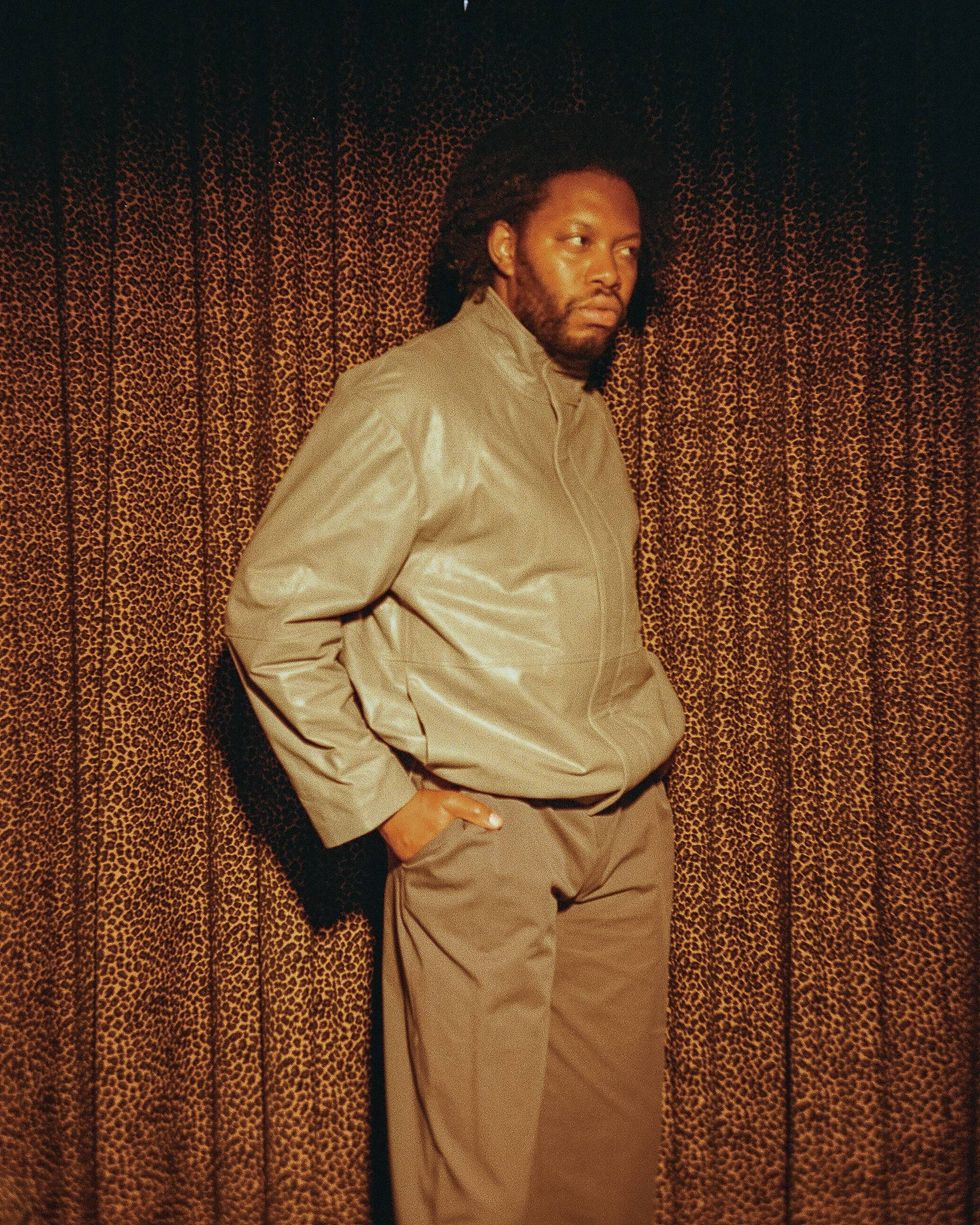
Carey: Yeah, it seems insane. I mean, that's the cool thing: You champion people. And also, I love how you were really outspoken about democratizing theater and making sure theater wasn't just something that…
Jeremy: Yeah.
Carey: You know what I mean? That was fucking cool and something that I don't think a lot of people think about or even realize, you know what I mean? And I loved when you did that with Slave play, where you would have nights where you would have black audiences come, and you would help people secure tickets. You know what I mean? That just doesn't happen a lot.
Jeremy: Well, I think that something I realized is that a lot of people just did not grow up poor. A lot of people who do what we do grew up upper-middle-class or stupidly rich. And I think oftentimes when you grow up, like I did, where you grow up really poor and then get some success, people demand that you forget everything about being poor immediately. You're up here now, don't worry about them. And I think that for me, because there are literally people in my family who are very much in a close-to-poverty, very much working-class, tax bracket I can't forget about it. You know what I mean?
Carey: Of course.
Jeremy: I have to be like, “Wait, how will they see my play though?” Or how will people who look like them see my play? And everyone's like, "Shh, ignore it. " But I think that that's constantly at the core of why I want to support more artists, and why I want to create more spaces for different types of audiences to see things. It's very easy to decide who our audience is when our audience is self-selecting by the class that they inherited. The class that they were born into self-selects our audience for so many different things.
I would love to have people have the option to select going to the theater in ways that people all around the world have the option to select to play football. And I'm saying football the European way because outside of America, it is not expensive to play football. It is the cheapest sport in the world to play. I think telling a story should be the most accessible thing in the world to us. Hearing a story should be the most successful thing in the world to us, and for some reason, it's not. And I don't understand why one of the greatest things we've ever invented, one of the cheapest things we've ever invented, and the thing that gives human beings so much joy, which is telling a story, embodying a story in front of other people, is in so many parts of America so inaccessible to them.
People should be able to pay for this the way they pay to go see the World Cup. And I know the World Cup has become inaccessible in America, but you know what I mean? It shouldn't be so insane. I love Oh Mary! I loved, loved, loved it. I do not understand how people are paying $400, $500 to see that show. It just truly boggles my mind. I'm like, "That is so cool that you have that kind of money. How many houses do your parents own?" That feels kind of crazy. And also, I think it's the kind of show that even if it's the thing where people are like, oh, if someone reads this is like, "I can't believe Jeremy said that. Cole deserves to make their coin." And I'm like, "Cole does." But also, I don't know that a working class mom should save up for weeks to see that show. I think she should be able to say with her girlfriends, "Hey y'all, should we go see O'Mary again this weekend?" It should be able to be repeated viewing without hassle.
Carey: Yeah, I mean, I sometimes feel like because I'm a screenwriter too, and I'm in the Hollywood Hell sometimes of development hell and et cetera. But I feel like a lot of people just think everyone who works in this business has a trust fund that runs the big—
Jeremy: Yeah, 100%.
Carey: People in power, they're just like, "Oh, it's fine." You know what I mean? And I just love your candor about that. And I think you're really good at spotting, especially in your Instagram roundups. I don't know if you do them anymore, but your TikTok roundups where you do those carousels.
Jeremy: Mhm. I don't do them anymore, but I should. I loved it. But I think that they disincentivize people from doing it.
Carey: But you're so good at spotting. You're a curator, and I think you go in and you find where the real pulse of the underbelly of social media that powers social media is happening. Do you know what I mean? I think that obviously that happened with Zola. You know what I mean? You were just on the money with that.
Jeremy: Oh, thank you.
Carey: No, it was so good. I mean, I was just talking about it with Joan. I was like, Riley Keough should have been nominated for an Oscar for that movie.
Jeremy: She should have.
Carey: So fucking incredible. And the two of them together, I've never seen anything like that. I would say, in some ways, or at least you kind of came about being an internet personality, in some ways.
Jeremy: I mean, I wouldn't say in the same way as some of our other friends. I mean, I think that my internet world got bigger after I wrote my first play, which feels—
Carey: Well, okay, I’m not going to say you're an internet personality. I'm going to say you're someone that— but you get the internet, and I think you can translate it.
Jeremy: Yeah, I stay on the internet too much is what the real issue is.
Carey: But how important is that when you're writing your plays or a script, having that fluency in what's happening, because it does dominate everything. How important do you think that is?
Jeremy: I mean, I think it's incredibly important. I feel so lame that I don't understand how Discord works and am just out of it. I feel annoyed that I don't play robots enough.
Carey: No, I don't know how to get into Discord. It's very intimidating.
Jeremy: Babe, we can't be uncs about it. We’ve got to get into it.
Carey: No, I feel very late. I feel like, as someone who has been on the internet since I was in college and has been peddling my boos on X, formerly known as Twitter, et cetera, the last year and a half, I've really started to be like, "Oh, I'm old." I went from, I fully get this, I'm part of this, and I'm really chasing that current to now I'm just like, I see some of this stuff, and I'm like, “Oh my God, I don't know what this means.” And I feel really ancient and—
Jeremy: I felt really good. I wrote a movie for Universal that's about young people, and everyone was like, "Oh my God, you killed it. " But I was like, they don't know that I really don't know. I know more than all of these millennial and Gen X execs, but I really don't know what the kids be knowing.
Carey: Yeah, but you can at least pretend to know, which is half the battle.
Jeremy: I can name-drop the things that they're on, but I don't stream.
Carey: I feel like I mispronounce things a lot, and on my podcast I'll mispronounce, and I'll get some information wrong, but I feel like—
Jeremy: What’s the last thing you mispronounced?
Carey: Well, your movie name.
Jeremy: Oh, well, that's in Polish, so that's fair. That's in a fully different language.
Carey: I have to think about that, but I feel like I have a lot. People call me out a lot, and my listeners, rightfully so. I get ribbed a lot for having some misinformation, but I feel like, on the whole, I understand what's happening, but specific things that are trending. And I feel like I'm starting to lose my sense of reality and what I know.
Jeremy: But here's the one thing you will always have, despite the fact that reality is slipping away right in front of us, is that we know how to read. I don't know if you're watching Love Island, but one of the guys on Love Island has said two things that were really crazy. One was he said, “this is the epitome (eh-pi-tohm) of testing connections," which is not how that word's pronounced. And he also said, "I have to emerge myself fully into the experience." When we all think he meant “immerse myself”.
Carey: Of course.
Jeremy: And then another girl said, “Can we just come promise?” instead of compromise. And that's because this is the first fully Gen Z cast. They were educated in Zoom school. I think that these kids are also a part of the generation learning how to sight-read. So you might not know how to pronounce Unc or something. You might say that wrong because you've only read it online, but they don't know what real words mean.
Carey: Right. But I'm also like, maybe they're onto something. They're recreating language in a way, like, those people in Love Island, which I haven't seen, but I feel like I need to watch this season because I feel like it's particularly harrowing for some reason from what I'm seeing.
Jeremy: Yeah. There's a lot of real sociology happening that I both, like, I don't want to be one of those people who's like, it's not that deep because I do agree that it is that deep a little bit, but also I'm kind of like, guys, you're dragging it. These are real people. Again, I just read Famesick. So I'm like, guys, some of these kids are going to come out of this, and you've compared one of the boys to Jeffrey Dahmer and Ted Bundy. He's literally a murderer. And I'm like, he just didn't like a girl who he thought was annoying and was mean about it.
Carey: But I also feel like that's happening with our generation. I feel like it's, especially since COVID, I feel like people... Even because I do the Bravo—
Jeremy: Are you about to talk about Scandoval?
Carey: Yeah. Laura and I remember when we were talking about Scandoval in the beginning. Obviously, we love Ariana, and what Tom did was dastardly, and it was such a betrayal — what he and Raquel did. But I just remember seeing people the day Scandoval happened on Raquel's Instagram, people I knew being like, "Fow." And I was just like, "Oh my God." I love to talk shit. I literally have a podcast where I make fun of these people constantly. So my karma is probably very heavy too, but I'm just saying I would never go on someone's comments and be like, "Look what you did." You know what I mean? I just feel like it's become more normalized and—
Jeremy: I'm also someone who doesn't— I don't care about cheating. I care more about lying than I care about cheating. So I'm like, it's horrible.
Carey: They lied.
Jeremy: I think that Ariana's totally fine to be like, "Fuck you, I hate you, blah, blah." But it's none of our business. I watch all the Bravo shows when things like Scandoval and West Wilson happen; Obviously, one person on my feed goes crazy about it. I'll like their video, and then they'll send me another one. I'm a Gemini, I love mess. So I get into the mess. So then, I can pretend like I'm a Bravo head a bit, in the same way I can pretend like I'm into the MLB because now all of this baseball drama's in my feed. So I talk my base-
Carey: What’s the baseball drama?
Jeremy: Oh my God, so much stuff. Shohei, who's the greatest pitcher of all time, has a really bad shortstop or a really bad catcher in Dalton Rushing, who's a young Republican probably, Southern boy, who's really bad at catching Shohei’s pitches.
Carey: See, the only sports I was engaging with were Angel Reese and Caitlin Clark.
Jeremy: Oh Yeah. Well, that's a whole thing too because Caitlin Clark, liar, complainer, boring. You're boring. But then also here's my thing with, again, you know what, let's wake it up. Here's my thing with the girl who's getting married in New York this weekend at Madison Square Garden, Caitlin Clark and the director of Nosferatu. What is his name?
Jeremy & Carey: Robert Eggers.
Jeremy: If you are not a racist and white supremacists have taken you on as the great figure of their cause, wouldn't you come out and say, "I don't fuck with you. You're being weirdos. Don't adopt my work as a part of your aesthetic."
Carey: Yeah, I think it's pretty simple to just denounce and be like, "Fuck you. I'm not—"
Jeremy: I get you want to have as many fans as possible, but it feels like if your fans are full-on white supremacists, you're like, "Nah, I'm good on y'all."
Carey: She's a brutal tyrant, but she's our tyrant. You know what I mean?
Jeremy: Do you think that there's going to be a Netflix special of the wedding?
Carey: I hope so.
Jeremy: I think there is. There must be. My thing with her being a tyrant is that I am excited that a new champion is in the villa to destroy her. A champion was born of meager means, and she has been training. She even got close to her, and then she got burned. Now she's coming from the forest, newly trained up. She has her dragons behind her.
Carey: Who?
Jeremy: One Miss Olivia Rodrigo.
Carey: I was wondering if that's what you were going to say. What's the best advice you've ever gotten as a writer, now going off the teacher thing? The best advice and the worst advice.
Jeremy: I would say the worst advice was to read Save the Cat! The Last Book on Screenwriting You'll Ever Need. That book is so bad. And honestly, the guy who wrote it— did he write one banger movie? Absolutely. Blank check goes off.
Carey: It does.
Jeremy: The best advice: And it's advice I always give people, and it's so simple and it's so dumb, but read everything. Read all the time. And it's so hard for people to think about this goal of being like, "My movie is going to be Obsession, or my play is going to be Angels in America." And you know what? If you want to just do it purely on some mechanical, I'm going to try to make a hit way, you definitely could. Just be like, "What are the beats of obsession? Let me write that." That totally can work. I'm saying if you want to be a writer-writer who really has their own voice, their own sense of how they think a story should be structured, what parts of stories they don't like, you got to read everything.
Read every screenplay, read every play, read every book that you can get your hands on and keep reading because it keeps complicating things. I've read books in the last year that have changed the way I'm writing today, which feels really good.
Carey: Yeah.
Jeremy: Which I think people tend to forget.—
Carey: Sorry, I think people miss out on writing. Obviously when you're working in the industry, you're writing to hopefully get something made, but also it needs to be exciting to you. And I think that's so simple and sounds kind of trite, but it is true. If you're writing with this like, "Oh, I want it to make $350 million." And it's like, just write something that makes your blood and body change when you're writing it. I feel like that sounds really simple and kind of stupid, but also I've really learned that in the last few years. Especially, trust what you want to write, and trust the things that have lanterns hovering over it. And you’re only running towards what you think is going to be good instead of what... And those usually things will be the ones that get made.
Jeremy: No, I agree. I mean, again, and also it might not get made. Or it may not be made for a long time.
Carey: It's a great sample.
Jeremy: Yeah. Widow’s Bay, I think that one was trying to make that show for 12 years, and everyone's gagged by it.
Carey: Best show on TV this year.
Jeremy: Yeah, I haven't watched it yet, but people love it. You think about Breaking Bad, you think about Mad Men, you think about Yellowjackets. So many shows that have won all the awards, the story is no, no, no, no, no, no, no.
Carey:—Squid Game.
Jeremy: Until it was yes. Squid Game, yes. The man lost teeth. The man lost teeth. And he also, again, what I like about Squid Game guy lost a tooth. He had said it was only one season and they paid him dust that first season. They didn't give him any money for their biggest show ever. And then they were like, "We need a sequel. The world loves it." And he said, "It's a one season show, but if you want season two and season three, you got to pay for me losing them teeth." He got paid the f*ck out. Then he was like, "Oh, y'all want to license it to make a really horrific, totally miss the point reality TV show." Absolutely. Yeah, go ahead and torture people on live TV in a recreation of an allegory for the ways which capitalism had destroyed our soul.
But now he's able to write whatever he wants and be comfortable because he now is also able to put that money away somewhere, save it up so that if it takes him seven more years to write this other thing that's unique and special to him, he's good. He's not losing any teeth this time. And I think my M.O. as a producer and a writer is to protect and watch out for those things that might take seven years to happen. It took me seven years to get Prince Faggot up off Broadway. Everyone said no. And then once it did really well, won a Lord Helper Best Play, was nominated for all these other awards, was at the end of your best of list for all these things. Then everyone wanted to be like, “God, you know what? The script did not read like this when I read it. It's so great how much you changed it.” And I was like, I literally have changed nothing. This is the play Jordan wrote, and it still is. It still was, but thank you for coming. Thank you for doing a Ted Talk about how plays are different on the page than how they are on the stage.
Carey: [Laughs] I mean, one more question, then we'll wrap up. Who are your favorite or who are the people, writers or anyone that's making you feel that excitement right now? Obviously there's people you're working with.
Jeremy: Yeah, there's a lot of people I’m excited about.
Carey:— Obviously aside from me. No, I'm kidding.
Jeremy: [Laughs] Exactly. There's a kid named Alex Ullom I'm really, really excited about. He's a Wonderkin. He's a part of that Gen Z sort of vibe. He has a movie that Neon's doing next year called 4 X 4:The Event. I think he's a really exquisite writer, and I know he likes writing horror movies, but if you were to read what he's doing on the page, you're like, "Honey, bring some of that flowery description over to a drama." I want to feel it like that. He's really special. I really, really, really love this young writer I met when I did my residency last summer called Rianna Simons. She's so great, as is Asa Haynes. They were both in my substratum — a thing I did with Gucci a couple years ago, you can look them up. They're fantastic. I mean, Jordan Tannahill is really the bee's knees to me. There's a young writer who I don't think he even knows that his work got slipped to me, but he's really good. Hold on, let me make sure I'm saying his name right. His agent sent me his work and I really loved it. Charlie Oh. His name is Charlie Oh. I think he's really cool.
And then I met a young writer-director who's from my hometown in Virginia who was really, really sweet. His name is Camryn Lewis. Basically, he became my mom's videographer and bestie in Danville, Virginia. When I went to Chicago for the premiere of Atropia, my mom was like, "Oh my God, this kid I know lives in Chicago. He's really sweet. You should meet him." And I was like, "Okay, whatever."Because moms are always telling you to meet someone and you're like, no. How about I met this kid and discovered that he got really close to my mom. He's also Black and gay. He's a much prettier version than me and much prettier version of having a gay son than I was. And he has exquisite taste. He was an intern at Telluride. He's making his first film. I was really excited about meeting him.
story Andie Kirby
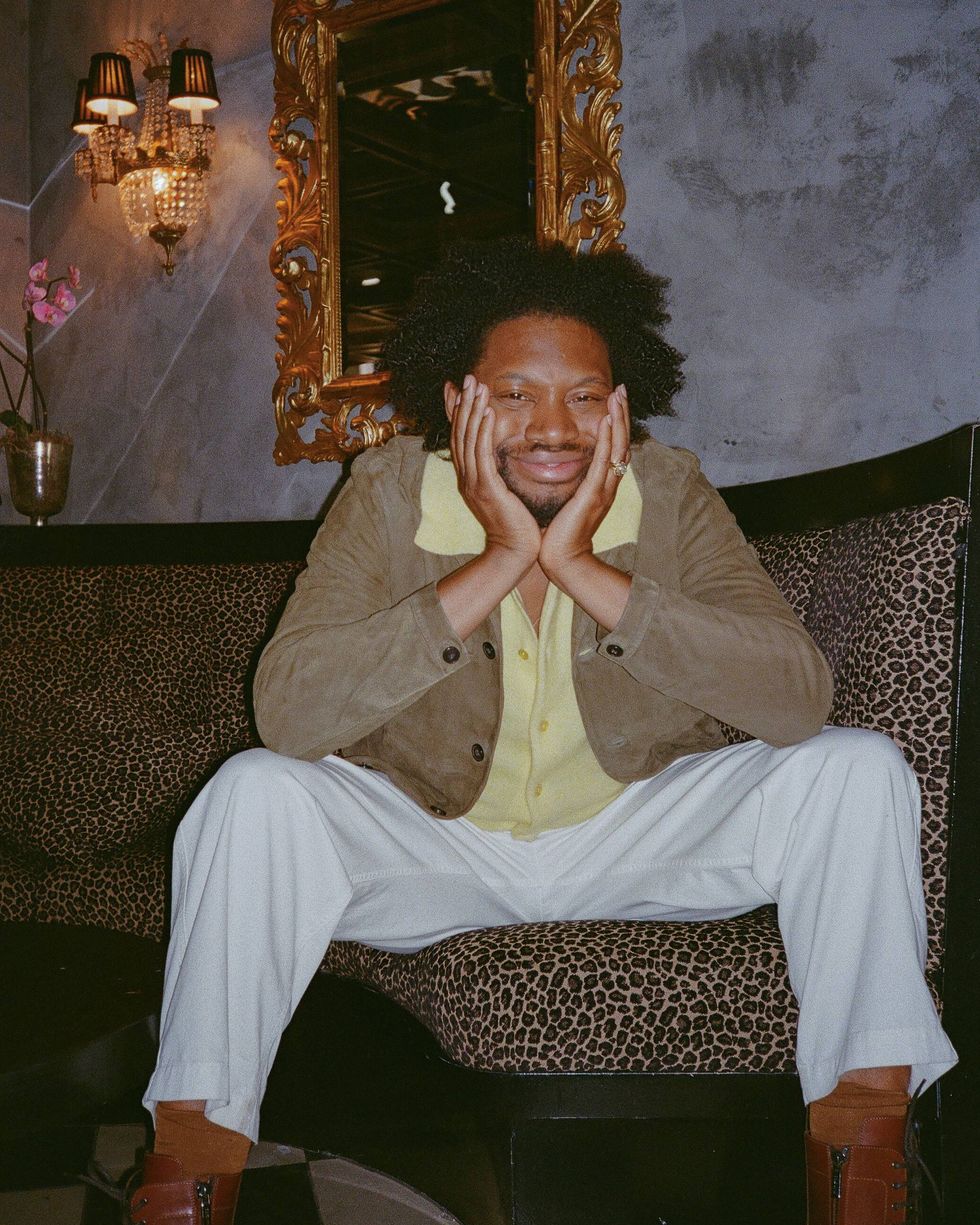
photography Diego Villagra Motta
styling Angelina Cantú
lighting designer Peter Demas
styling assistants Sal Lee & Inaya Buhdwani
photo assistant Diego Urbina
chief creative officer Brian Calle
fashion director & producer Angelina Cantú
digital director César Alvarez