CPJ Launches Petition Calling On Kuwait To Release US-Kuwaiti Journalist Ahmed Shihab-Eldin
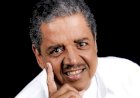
By Committee to Protect Journalists Photos: Wikimedia Commons New York, April 15, 2026 — The Committee to Protect Journalists (CPJ) Wednesday published a petition calling on Kuwaiti authorities to immediately and unconditionally release Kuwaiti-American journalist Ahmed Shihab-Eldin. Shihab-Eldin, an award-winning journalist who previously contributed to The New York Times, PBS, and Al Jazeera English, has not posted online or been seen in public since March 2 in Kuwait, where he was visiting family. In the days prior to his detention, Shihab-Eldin shared publicly available videos and images related to the Iran war. His recent posts included reposts of videos verified by CNN and other international news outlets. None of his posts were photos or videos that he took himself. Amid military escalations during the Iran war, Kuwaiti authorities have imposed increasingly tight censorship in the country. On March 2, Kuwait’s Ministry of Interior warned against filming or publishing videos or information related to Iranian attacks, noting that several people were arrested for spreading false news. The Ministry of Information has also referred individuals accused of violating media laws to the Public Prosecution.
 Black News
By Committee to Protect Journalists
Photos: Wikimedia Commons
New York, April 15, 2026 — The Committee to Protect Journalists (CPJ) Wednesday published a petition calling on Kuwaiti authorities to immediately and unconditionally release Kuwaiti-American journalist Ahmed Shihab-Eldin.

Shihab-Eldin, an award-winning journalist who previously contributed to The New York Times, PBS, and Al Jazeera English, has not posted online or been seen in public since March 2 in Kuwait, where he was visiting family.
In the days prior to his detention, Shihab-Eldin shared publicly available videos and images related to the Iran war. His recent posts included reposts of videos verified by CNN and other international news outlets. None of his posts were photos or videos that he took himself.
Amid military escalations during the Iran war, Kuwaiti authorities have imposed increasingly tight censorship in the country. On March 2, Kuwait’s Ministry of Interior warned against filming or publishing videos or information related to Iranian attacks, noting that several people were arrested for spreading false news. The Ministry of Information has also referred individuals accused of violating media laws to the Public Prosecution.