Easter in Saint Lucia: Then and now
Easter in Saint Lucia has long stood as one of the most significant periods on the cultural and religious calendar. Over the years, though, the way it is celebrated has shifted. Older generations remember a structured and deeply spiritual experience. The season still holds meaning today, but the approach is more relaxed and modern. Three […] The article Easter in Saint Lucia: Then and now is from St. Lucia Times.
 Black News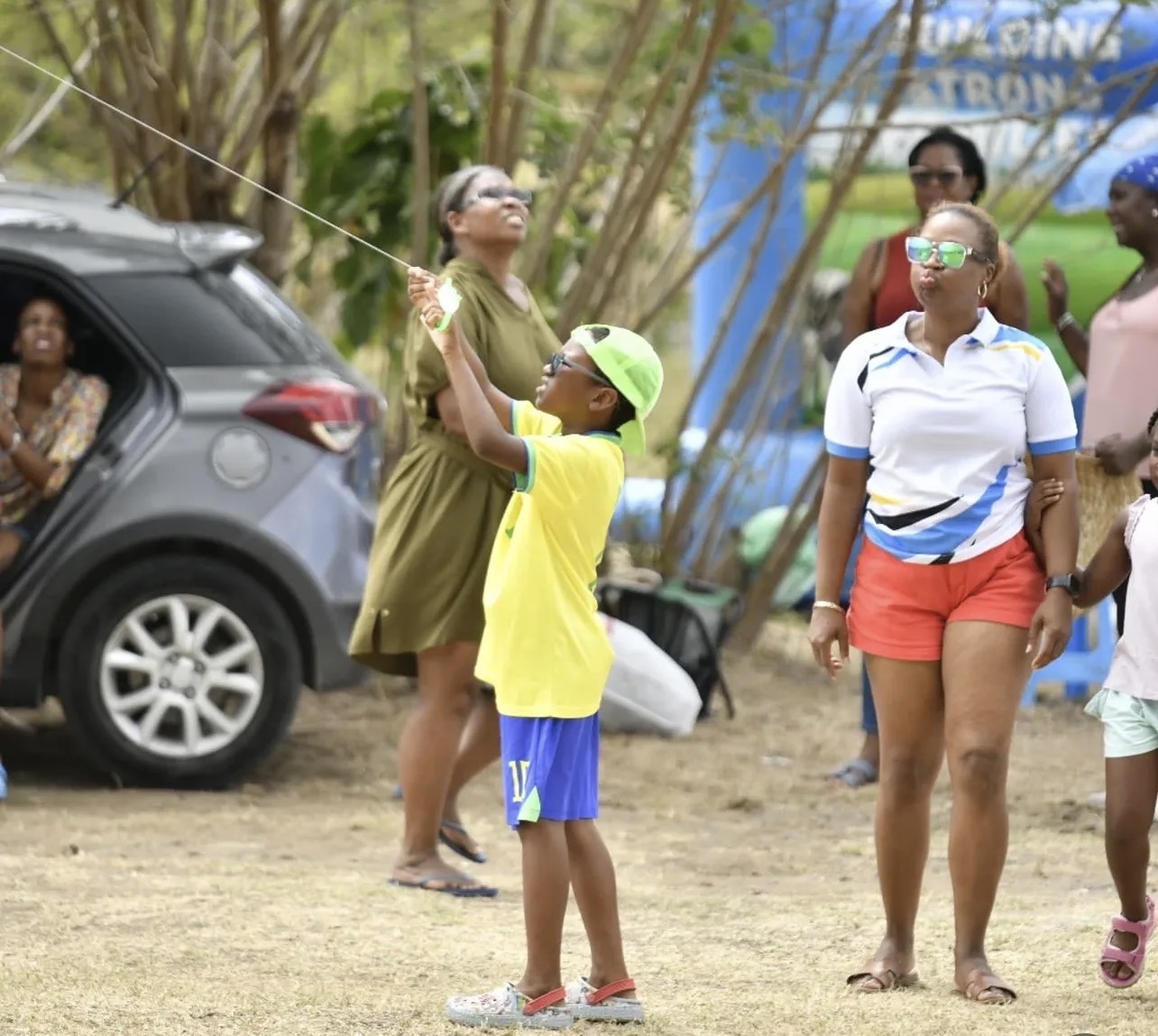


Easter in Saint Lucia has long stood as one of the most significant periods on the cultural and religious calendar. Over the years, though, the way it is celebrated has shifted. Older generations remember a structured and deeply spiritual experience. The season still holds meaning today, but the approach is more relaxed and modern.
Three decades ago, Easter was defined by structure and intention. Homes came alive in the early hours of the morning. Pots were already on the fire, and the scent of saltfish filled the air. Families prepared accra by hand and worked together in the kitchen. It was not rushed. It was part of the ritual.
Once everything was ready, people dressed in their best clothes and made their way to church. For many, this was the most important part of the day. Easter Sunday service was not optional for most Saint Lucians. It was expected and respected.
Althea Joseph, who is now in her 60s, recalls those mornings clearly.
“We woke up early every single Easter Sunday. You had to bathe and get ready for church – the first thing before anything else.”
Food carried its own meaning. Meals were prepared from scratch. Families would often meet up at the parents’ home to eat, talk and laugh. The day moved slowly and with intention.
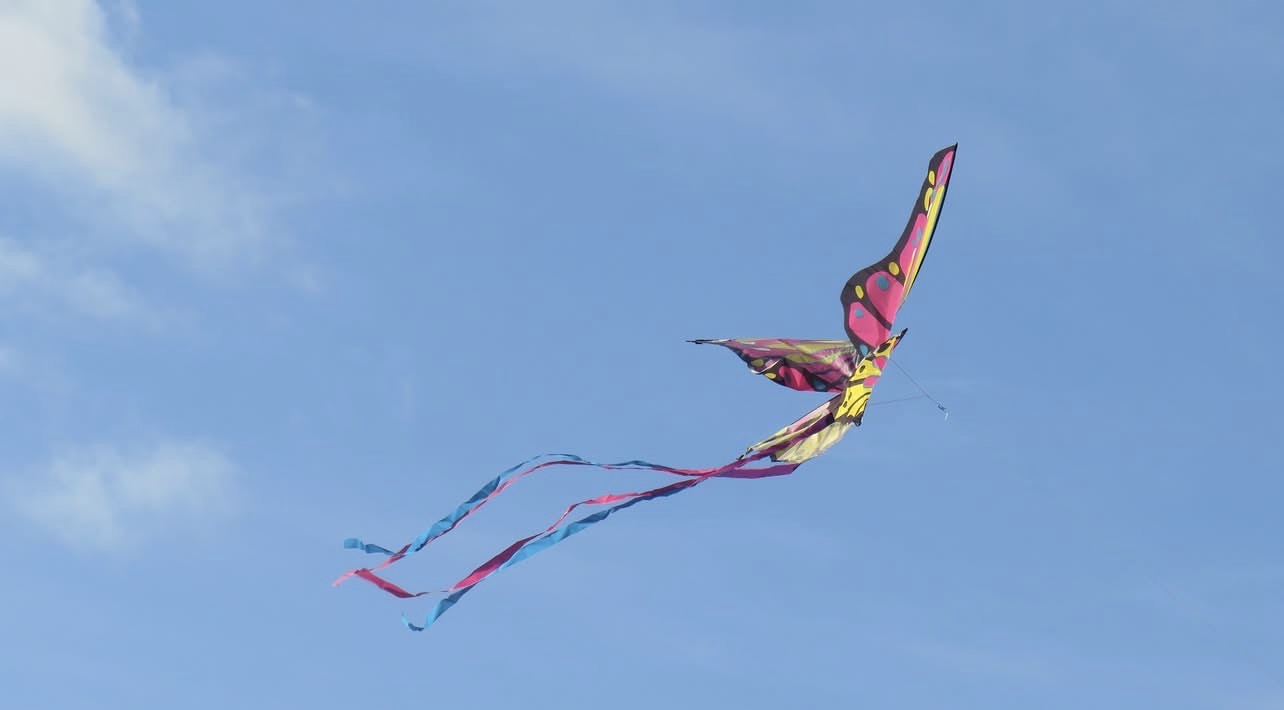
Kite flying was apparently one of the most loved traditions for Easter. Children and adults gathered in open spaces to send colourful kites into the sky. Many of these kites were handmade using bamboo and paper. The process of building them was just as important as flying them.
Julian Antoine remembers the effort that went into it.
“We used to make our own kites. You had to cut the bamboo and paste the paper. I miss them times.”
Easter still carries echoes of those traditions, but the experience has changed. The pace of life is faster, and convenience plays a larger role.
Fewer people wake up as early as before, and while church remains important, not everyone follows the same routine. Some attend later services while others spend the morning at home or preparing for outings and fetes.
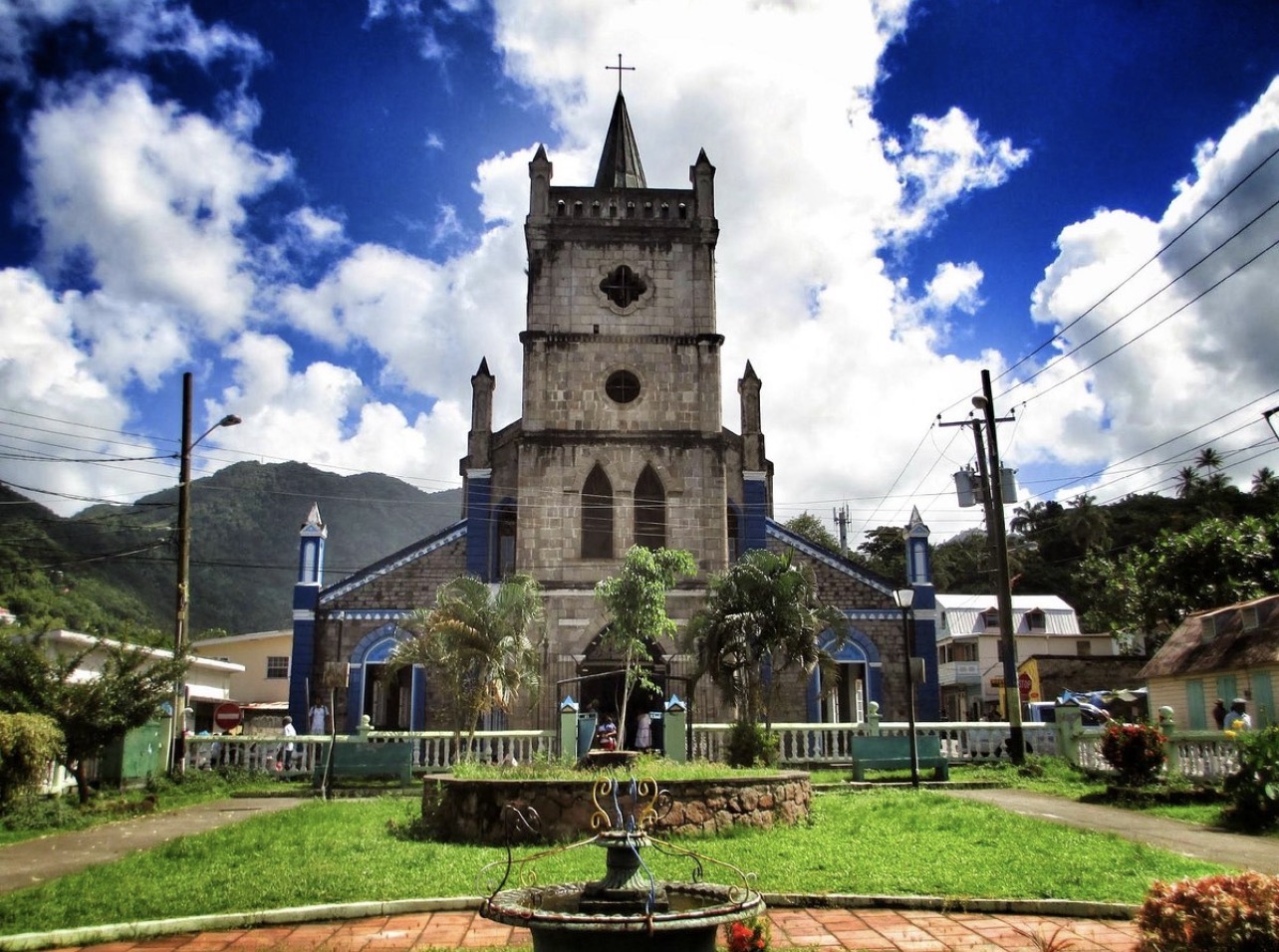
Food is still central to the celebration, but many families now choose easier options. Accra and buns are often bought instead of made. Ready-made Accra batter is now sold on the shelves of every Massy Store islandwide. Cooking is still done in some homes, but it is no longer the long, shared process it once was.
Kite flying remains a visible part of Easter, but it, too, has evolved. Store-bought kites are common, and fewer children learn to build their own.
The skies are still filled with colour, but the tradition behind it is slowly fading.
Kareen Louis, who is in her 30s, reflects on this shift.
“Children do not really know how to make kites anymore. Everything is already done for them.”
There is also a stronger focus on leisure. Beaches, small gatherings and social events now compete with traditional practices. Technology has also changed how people spend time together. Phones and social media often replace the long conversations that once defined the day.
Jason Emmanuel describes the difference simply.
“It still feels like Easter but it is more about enjoying yourself now. The traditions are not as strong.”
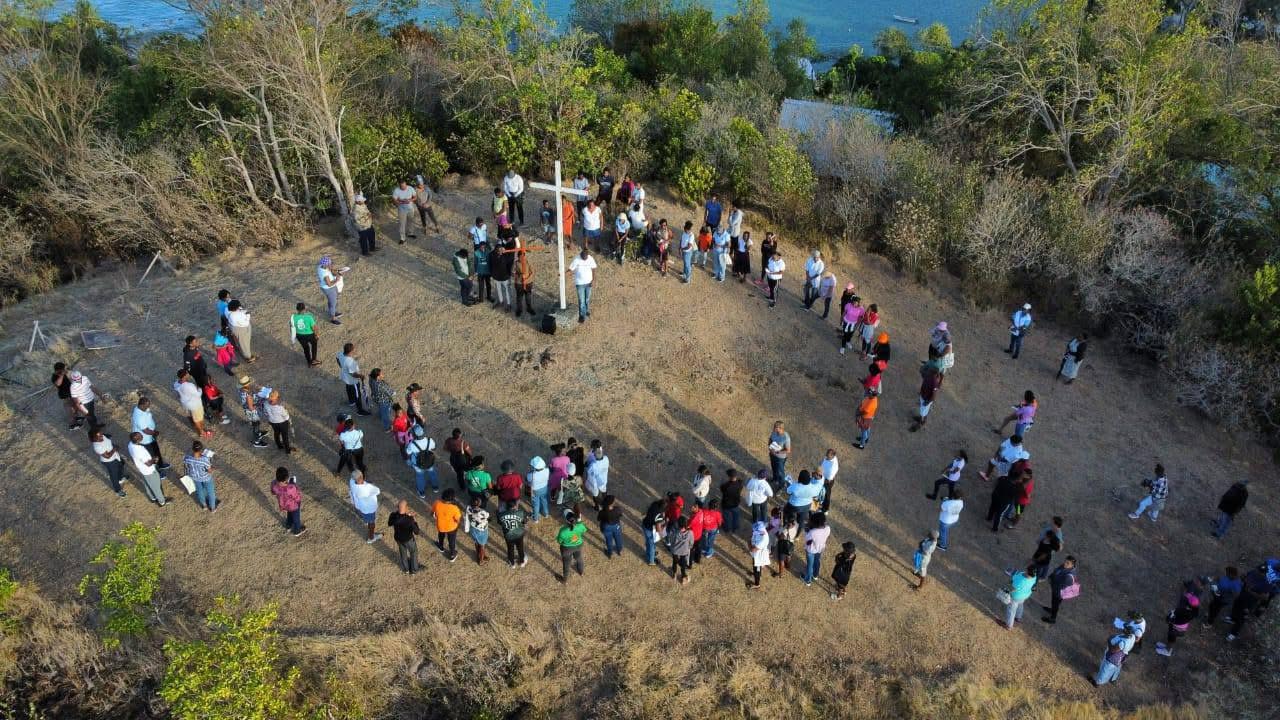
Despite these changes, the essence of Easter in Saint Lucia remains. It is still a time when families come together and share meals. It is still a period rooted in faith and reflection. In many communities, the older customs continue quietly and faithfully.
The article Easter in Saint Lucia: Then and now is from St. Lucia Times.