Environmental Racism Case In Court: Louisiana’s “Cancer Alley” Residents Continue Fight Against Toxic Plants In Black Districts
By Center For Constitutional Rights Photos: YouTube Screenshots January 28, 2026, New Orleans – Groups representing Black residents of Louisiana’s Cancer Alley argued in federal court today that St. James Parish’s decades-old land use practices are unconstitutionally discriminatory. A district court held the hearing on the Parish’s motion to dismiss a landmark lawsuit seeking a moratorium on petrochemical plants in two majority-Black districts. Inclusive Louisiana, Mt. Triumph Baptist Church, and RISE St. James sued St. James Parish in 2023 for its pattern and practice of steering toxic plants into the 4th and 5th Districts – the districts with the highest percentage of Black residents. Since construction of the first plant in the parish in 1958, at least 28 out of 32 plants have been placed in the 4th and 5th Districts. In such areas, dubbed “sacrifice zones,” residents face elevated risks of cancer, respiratory ailments, and newborn health harms. “For generations, fenceline residents in Cancer Alley, many of us descendants of enslaved people, have endured exploitation under the false promise of progress and revenue,” Barbara Washington and Gail LeBoeuf, Co-Directors of Inclusive Louisiana, said in a joint statement. “Justice has been delayed for our communities, but we remain steadfast in faith and in the resilience passed down from our ancestors. We are fighting back, and we pray the court will finally uphold justice by granting a moratorium on any additional industrial facilities in St. James Parish.” Filed on the plaintiffs’ behalf by lawyers from the Center for Constitutional Rights and the Environmental Law Clinic at Tulane, their lawsuit argues that the disproportionate placement of hazardous plants in majority-Black areas violates, among other laws, the Thirteenth Amendment as a vestige of slavery and the Fourteenth Amendment’s Equal Protection Clause. This is the Parish’s second attempt to dismiss the lawsuit. In April 2025, the Fifth Circuit Court of Appeals ruled that the lawsuit could proceed, rejecting the lower’s court finding that the statute of limitations had expired. While the lower court had pegged the case to a 2014 zoning ordinance, the Fifth Circuit agreed with the plaintiffs that that scope of the suit extended well beyond the ordinance to include a decades-old and still-existing discriminatory practice. In today’s hearing, the plaintiffs were not required to prove their case; the court was assessing only whether the facts of the case made their claims plausible. “As we argued today, the Parish’s second attempt to dismiss our clients’ lawsuit must be rejected,” said Astha Sharma Pokharel, a staff attorney at the Center for Constitutional Rights. “This suit challenges the discriminatory land use system operated by the Parish, which so disregards the lives of the descendants of people once enslaved in the Parish, that it has steered dozens of toxic plants into their historically-Black communities. Our clients seek a remedy to the severe harms resulting from this system.” In addition to its claims related to the health hazards of these plants, the lawsuit documents how the Parish’s land use practices have led to the destruction of residents’ cultural origins, including ancestral burial grounds of people enslaved in the Parish. It cites the state constitution, which recognizes the “right of the people to preserve, foster, and promote their respective historic linguistic and cultural origins.” “In seeking this moratorium, I pray that our elected officials will finally understand why we filed this case,” said Pastor Harry Joseph of Mount Triumph Baptist Church. “We don’t need more plants; we need development that is safe for people to work in and live around – with clean jobs. We need our government to do the right thing for the people.” “How many more must die before our lives and future are protected? We need a moratorium on new petrochemical plants in St. James Parish now,” said Sharon C. Lavigne, Founder & Director, RISE St. James Louisiana. “Our health has been ignored for too long as toxic industries are allowed to concentrate in our communities. We demand protection for our families, healing for our communities, and climate justice here and everywhere.” “The parish has engaged in a longstanding pattern and practice of steering harmful industrial development into our clients’ neighborhoods, with full knowledge of the risks to their lives, health, and property,” said Isabelle Adoue, student attorney at the Environmental Law Clinic at Tulane University. “This conscious disregard has caused ongoing harm. Our lawsuit sufficiently puts forward these claims, and we look forward to the opportunity to prove our case.” For more information on the lawsuit, please see the Center for Constitutional Rights’ case page. See more about Inclusive Louisiana and the Center for Constitutional Rights on our websites. Mount Triumph Baptist Church and RIS
 Black News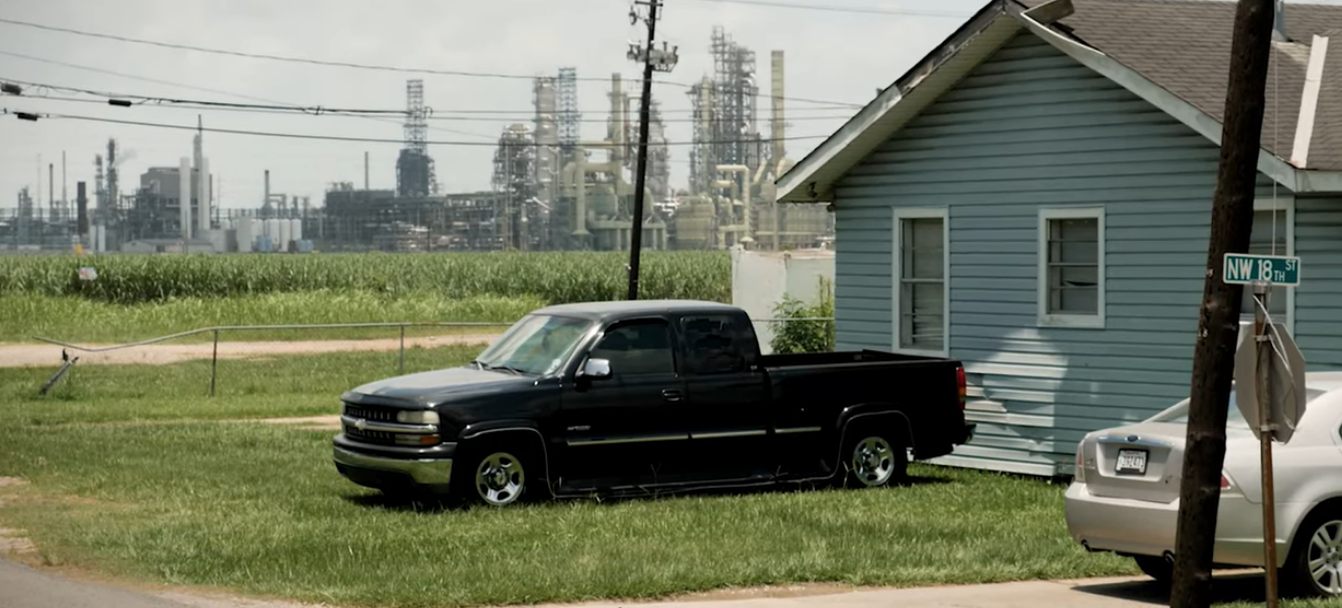
By Center For Constitutional Rights
Photos: YouTube Screenshots
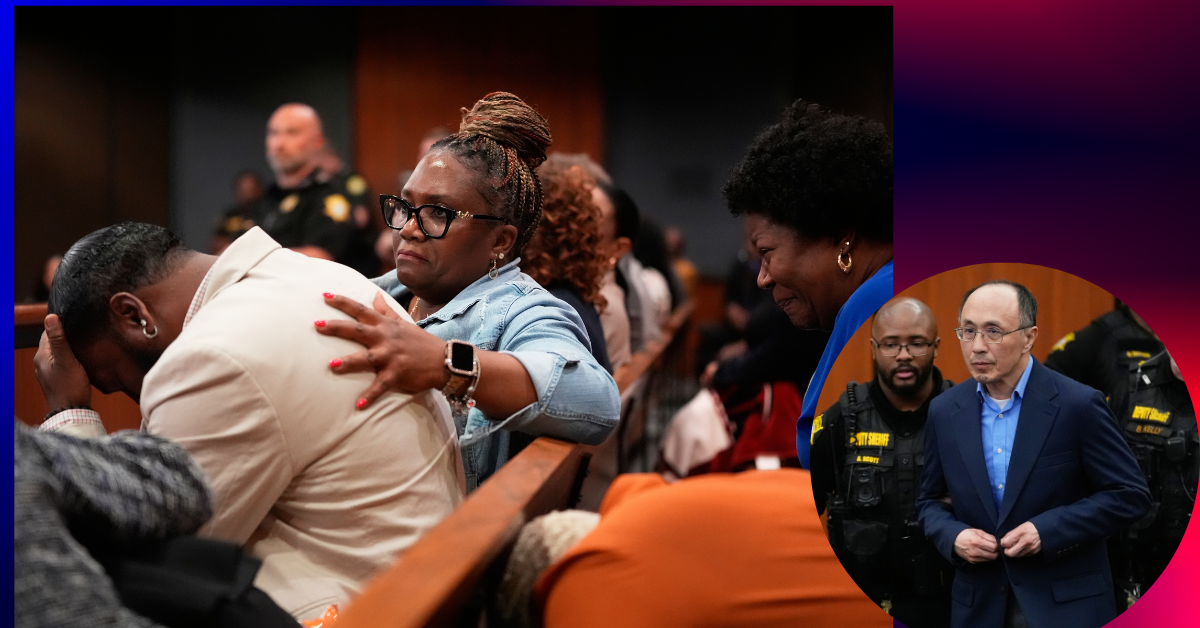
January 28, 2026, New Orleans – Groups representing Black residents of Louisiana’s Cancer Alley argued in federal court today that St. James Parish’s decades-old land use practices are unconstitutionally discriminatory. A district court held the hearing on the Parish’s motion to dismiss a landmark lawsuit seeking a moratorium on petrochemical plants in two majority-Black districts.

Inclusive Louisiana, Mt. Triumph Baptist Church, and RISE St. James sued St. James Parish in 2023 for its pattern and practice of steering toxic plants into the 4th and 5th Districts – the districts with the highest percentage of Black residents. Since construction of the first plant in the parish in 1958, at least 28 out of 32 plants have been placed in the 4th and 5th Districts. In such areas, dubbed “sacrifice zones,” residents face elevated risks of cancer, respiratory ailments, and newborn health harms.
“For generations, fenceline residents in Cancer Alley, many of us descendants of enslaved people, have endured exploitation under the false promise of progress and revenue,” Barbara Washington and Gail LeBoeuf, Co-Directors of Inclusive Louisiana, said in a joint statement. “Justice has been delayed for our communities, but we remain steadfast in faith and in the resilience passed down from our ancestors. We are fighting back, and we pray the court will finally uphold justice by granting a moratorium on any additional industrial facilities in St. James Parish.”
Filed on the plaintiffs’ behalf by lawyers from the Center for Constitutional Rights and the Environmental Law Clinic at Tulane, their lawsuit argues that the disproportionate placement of hazardous plants in majority-Black areas violates, among other laws, the Thirteenth Amendment as a vestige of slavery and the Fourteenth Amendment’s Equal Protection Clause.
This is the Parish’s second attempt to dismiss the lawsuit. In April 2025, the Fifth Circuit Court of Appeals ruled that the lawsuit could proceed, rejecting the lower’s court finding that the statute of limitations had expired. While the lower court had pegged the case to a 2014 zoning ordinance, the Fifth Circuit agreed with the plaintiffs that that scope of the suit extended well beyond the ordinance to include a decades-old and still-existing discriminatory practice. In today’s hearing, the plaintiffs were not required to prove their case; the court was assessing only whether the facts of the case made their claims plausible.
“As we argued today, the Parish’s second attempt to dismiss our clients’ lawsuit must be rejected,” said Astha Sharma Pokharel, a staff attorney at the Center for Constitutional Rights. “This suit challenges the discriminatory land use system operated by the Parish, which so disregards the lives of the descendants of people once enslaved in the Parish, that it has steered dozens of toxic plants into their historically-Black communities. Our clients seek a remedy to the severe harms resulting from this system.”
In addition to its claims related to the health hazards of these plants, the lawsuit documents how the Parish’s land use practices have led to the destruction of residents’ cultural origins, including ancestral burial grounds of people enslaved in the Parish. It cites the state constitution, which recognizes the “right of the people to preserve, foster, and promote their respective historic linguistic and cultural origins.”
“In seeking this moratorium, I pray that our elected officials will finally understand why we filed this case,” said Pastor Harry Joseph of Mount Triumph Baptist Church. “We don’t need more plants; we need development that is safe for people to work in and live around – with clean jobs. We need our government to do the right thing for the people.”
“How many more must die before our lives and future are protected? We need a moratorium on new petrochemical plants in St. James Parish now,” said Sharon C. Lavigne, Founder & Director, RISE St. James Louisiana. “Our health has been ignored for too long as toxic industries are allowed to concentrate in our communities. We demand protection for our families, healing for our communities, and climate justice here and everywhere.”
“The parish has engaged in a longstanding pattern and practice of steering harmful industrial development into our clients’ neighborhoods, with full knowledge of the risks to their lives, health, and property,” said Isabelle Adoue, student attorney at the Environmental Law Clinic at Tulane University. “This conscious disregard has caused ongoing harm. Our lawsuit sufficiently puts forward these claims, and we look forward to the opportunity to prove our case.”
For more information on the lawsuit, please see the Center for Constitutional Rights’ case page.
See more about Inclusive Louisiana and the Center for Constitutional Rights on our websites. Mount Triumph Baptist Church and RISE St. James are also plaintiffs in the case.