Eswatini plans strategic oil reserve as Middle East tensions rattle fuel markets
Eswatini is building a strategic oil reserve capable of storing up to two months of fuel supplies amid growing concerns over global energy disruptions linked to conflict in the Middle East.
 Black News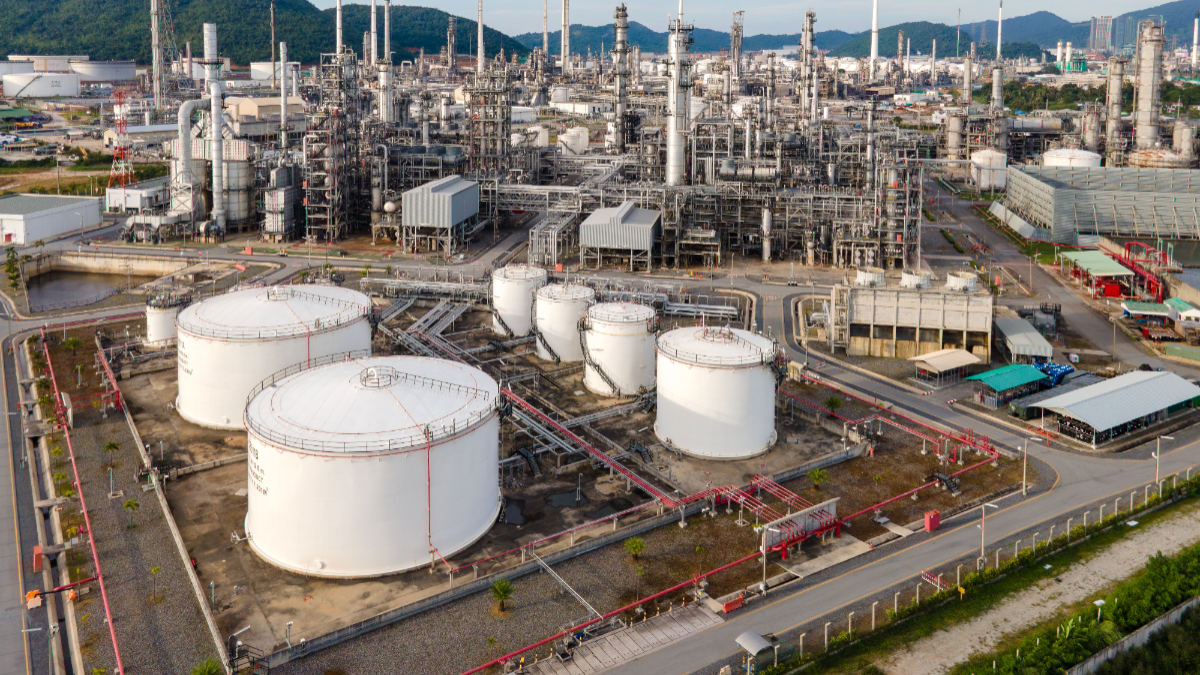
![Aerial view of an oil refinery for Oil or gas, chemical, and Petrochemical plant Industry. [Stock Photo/Getty Images]](https://ocdn.eu/pulscms/MDA_/2b2f740ac4fd98758938b4796350d18d.jpg)
Eswatini is building a strategic oil reserve capable of storing up to two months of fuel supplies amid growing concerns over global energy disruptions linked to conflict in the Middle East.
- Eswatini is constructing a strategic oil reserve capable of storing up to 2 months of fuel.
- King Mswati III said the move was driven by growing concerns over global fuel disruptions linked to tensions in the Middle East.
- The country has invited Azerbaijan’s state oil company SOCAR to invest in fuel infrastructure and potential refinery projects.
- Eswatini also hopes to position itself as a regional fuel distribution hub between South Africa and Mozambique.
Speaking during a meeting with Azerbaijan President Ilham Aliyev in Baku ahead of the UN World Urban Forum, King Mswati III said recent geopolitical tensions had exposed vulnerabilities in global supply chains, particularly for fuel, fertiliser and petroleum-based products.
“In Eswatini, we are currently building a Strategic Oil Reserve, which will be able to store fuel for about two months,” Mswati said, adding that the country was seeking partnerships for supply and infrastructure development.
The king invited Azerbaijan’s state-owned energy company, SOCAR, as well as mining firms, to invest in the project. He also floated the possibility of constructing an oil refinery in the longer term.
“We can even go beyond just the storage facility and build an oil refinery in the long term,” he said as reported by APANews.
Eswatini, a landlocked country bordered by South Africa and Mozambique, is positioning itself as a potential regional fuel distribution hub, according to Mswati.
Aliyev welcomed the proposal and directed Azerbaijani ministers to explore potential investment opportunities, citing ongoing fragility in global supply chains due to geopolitical instability.
The proposed reserve forms part of broader efforts by several African countries to strengthen energy security and reduce exposure to external supply shocks following recent volatility in global oil markets.