FDA Fast-Tracks Good Trip With Approved Psychedelic Drugs For Depression
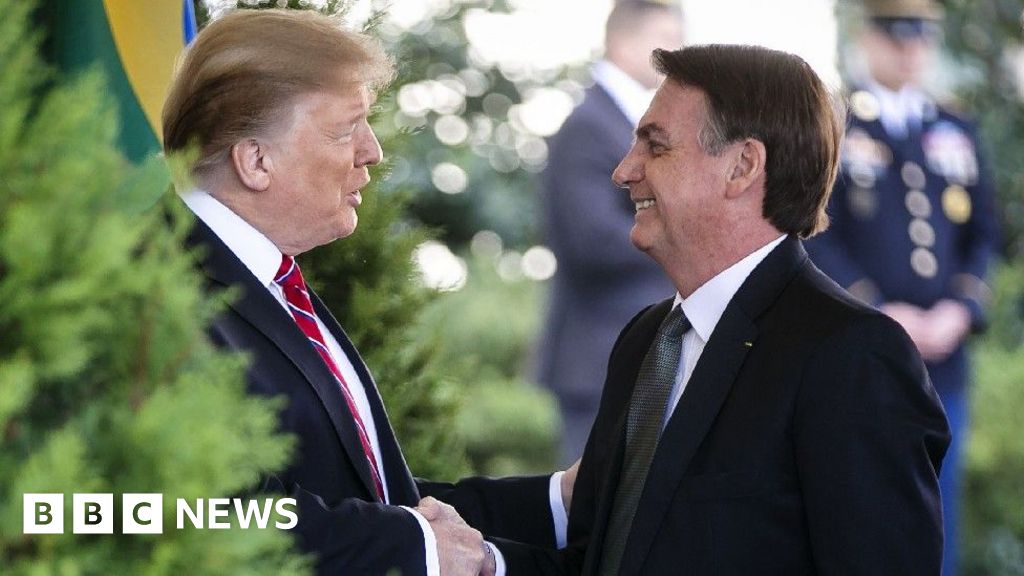
The move comes less than a week later after President Donald Trump signed an executive order to extend research to study therapeutic effects of psychedelic drugs.
 Black News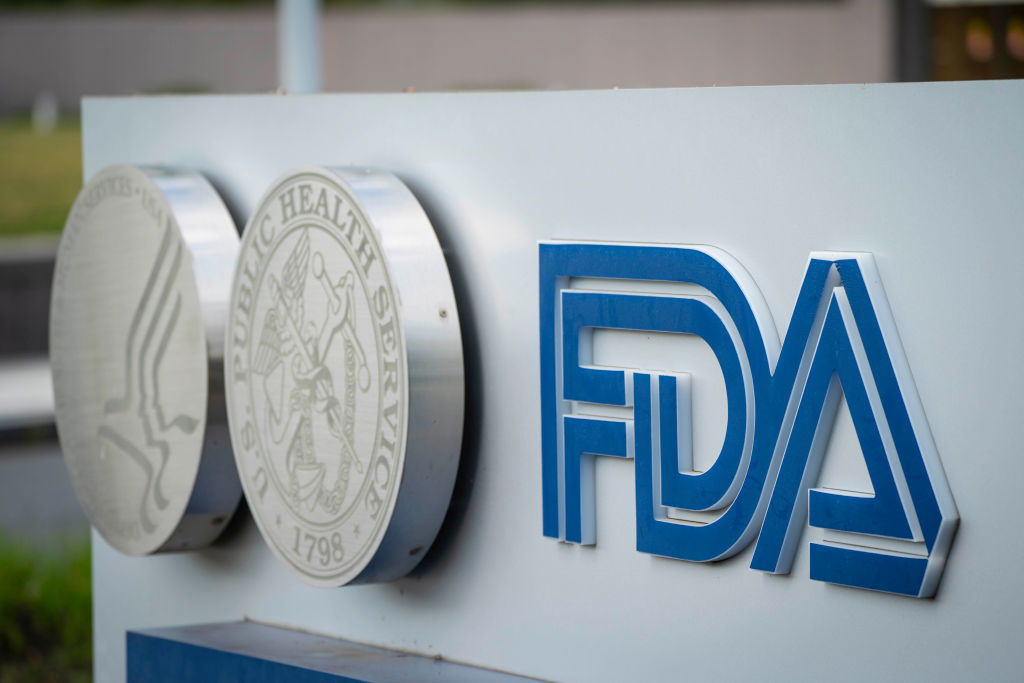

The Food and Drug Administration (FDA) greenlit a review process of three experimental psychedelic drugs for depression, giving priority vouchers to three unnamed companies, USA Today reports.
In an April 24 announcement, three companies were granted a voucher to explore, develop, and test two different serotonin-2A agonists, defined as a class of psychedelic medications, and related products, while another company was granted permission to begin clinical trials on a third psychedelic drug.
The move comes less than a week after President Donald Trump signed an executive order to extend research into the therapeutic effects of psychedelic drugs. “These medications have the potential to address the nation’s mental health crisis, including conditions like treatment-resistant depression, alcoholism, and other serious mental health and substance abuse conditions,” FDA Commissioner Dr. Marty Makary said in a statement.
“We owe it to our nation’s veterans and all Americans who are suffering from these conditions to evaluate these potential therapies with urgency.”
According to Fast Company, two of the companies are scheduled to research psilocybin as a treatment for depression, and another will study a drug called methylone, which is a stimulant similar to MDMA, the main ingredient in ecstasy — a Schedule I drug — for treating post-traumatic stress disorder (PTSD).
The vouchers cut time on the FDA’s review process from its standard 10 to 12 months to one to two months, with government-approved psychedelics potentially being available by summer 2026. Before Trump’s EO, research into psychedelics had been limited since the drugs are illegal in the U.S.
Medical officials define “psychedelics” as a broad term often used in reference to a variety of hallucinogenic drugs that cause non-ordinary mental states and sometimes add images of hippies “tripping” on colorful MDMA pills. Psychedelics can also alter consciousness, often described as creating an otherworldly experience by targeting serotonin receptors in the brain to affect the senses and cause auditory, visual, and psychological sensations.
Schedule I drugs, such as ecstasy, heroin, and LSD, are deemed to be more dangerous and require higher regulation, causing criticism and skepticism from leading experts like Dan Troy, former FDA chief counsel and current managing director at Berkeley Research Group.
Troy feels the White House giving priority directives to the FDA is a move that could raise doubts on the agency’s independence and dedication to a process that has worked for decades. “There are many people who think that this avenue shows promise in the mental health space,” he said.
“I think the concern that some of us have is whether or not the White House should be telling the FDA which medicines to prioritize and which medicines not to prioritize. Because historically, that’s been something that has been more the province of the scientists.”
This isn’t the first time the Trump administration has pushed for the approval of some drugs. In a push to make state-licensed marijuana safer and more accessible, the Justice Department is planning a new hearing to reclassify marijuana from a Schedule I drug to a Schedule III drug.
RELATED CONTENT: FDA Issues Recall Of More Than 67K Cases Of Power Stick Deodorant