France presses harder for Namibia oil despite failed 42.5% offshore stake deal in February
France is intensifying its drive to secure a share of Namibia’s fast-growing oil industry, backing its energy giants and deepening diplomatic engagement, even as recent disputes over deals expose regulatory tensions in one of Africa’s newest frontiers.
 Black News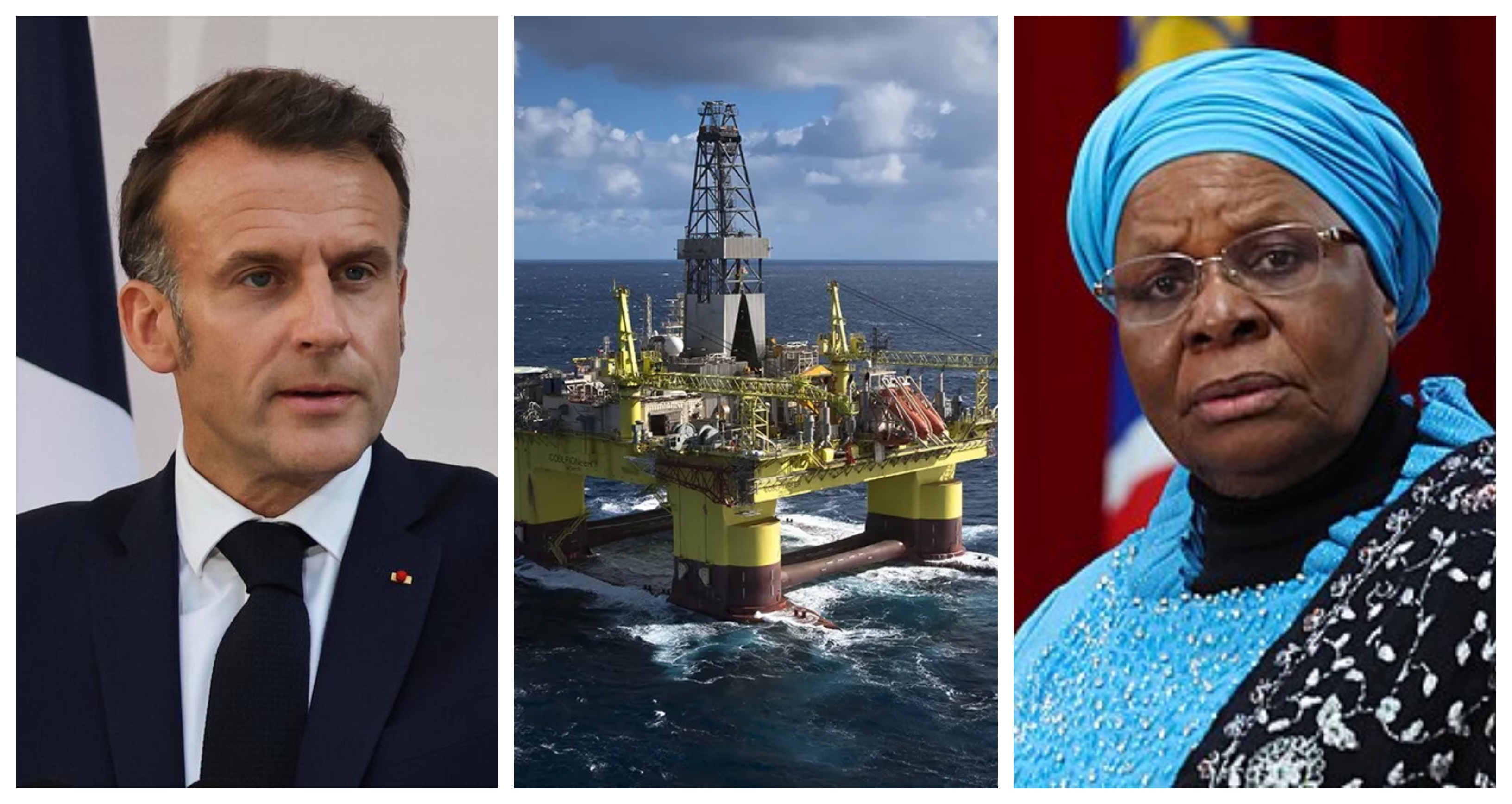



France is intensifying its drive to secure a share of Namibia’s fast-growing oil industry, backing its energy giants and deepening diplomatic engagement, even as recent disputes over deals expose regulatory tensions in one of Africa’s newest frontiers.
- France is actively seeking a share in Namibia's rapidly developing oil industry, backing its energy firms and strengthening diplomatic ties.
- A French business delegation visited Namibia, highlighting the country's commitment to long-term energy partnerships centered on oil and gas.
- Namibia's government rejected a separate offshore deal involving TotalEnergies and Petrobras, citing procedural violations and tightening sector oversight.
- Despite tensions, France is intensifying efforts in Namibia as Europe aims to diversify energy sources amidst supply disruptions, positioning Namibia as a key oil player.
A delegation of about 20 French energy and industrial firms concluded a business mission to Namibia on April 17, signalling Paris’ intent to anchor its partnership with the southern African nation around oil and gas.
“This business mission clearly demonstrates the interest of French economic players in Namibia, as well as France’s desire to place the energy sector at the heart of its partnership,” French ambassador Cécile Vigneau said.
The visit reflects a broader push by France to secure Namibian crude, as Europe looks to diversify energy supplies amid global disruptions.
December 2025: TotalEnergies leads race for Mopane stake
France’s ambitions in Namibia’s oil sector became clear in December 2025, when TotalEnergies emerged as the leading bidder to acquire a stake in Galp Energia’s Mopane field, one of the largest offshore discoveries in recent years.
The move positioned the French oil major at the centre of Namibia’s energy boom, with Mopane estimated to hold billions of barrels and seen as a key asset in the country’s rise as a future oil producer.
February setback: Namibia rejects offshore deal
However, momentum slowed in February 2026 when Namibia’s government refused to recognise a separate offshore transaction involving TotalEnergies and Brazil’s Petrobras.
The companies had announced they each acquired a 42.5% stake in the PEL104 exploration licence, but authorities said the deal did not follow legal procedure.
Officials said they were notified only “a few minutes” before the announcement and stressed that any such deal requires prior approval from the energy minister to be valid.
Presidential spokesperson Jonas Mbambo added that without a formal application, “no transaction can be recognised or considered valid.”
France doubles down despite tensions
Despite the setback, France is not pulling back. Instead, it is deepening engagement through diplomacy and industry access.
The recent mission, organised by EVOLEN and supported by “Team France,” included meetings with Namcor, the energy ministry, and global contractors already active in Namibia’s offshore sector.
EVOLEN’s Gaétan Mandagot said Namibia is “one of the most exciting new frontiers in the global energy landscape,” adding that the goal is to build long-term industrial partnerships, not just short-term deals.
Namibia becomes global oil hotspot
Namibia’s rapid rise has drawn global attention. Discoveries such as Venus and Mopane have transformed the country from an exploration backwater into a key target for international oil majors.
TotalEnergies plans to produce about 150,000 barrels per day from the Venus field before the end of the decade, underscoring the scale of opportunity.
Talks between President Nandi-Ndaitwah and French President Emmanuel Macron ahead of the Africa Forward Summit in Nairobi point to deeper cooperation.
Energy crisis sharpens European focus on Africa
France’s push is also tied to a wider European scramble for energy security. The European Commission has described the current situation as a “fossil energy crisis,” noting the bloc has spent an additional €24 billion on imports due to global supply disruptions.
Commission president Ursula von der Leyen has called for diversification of supply sources, placing African producers like Namibia in a strategic position.