Hold Ella Hill Hutch in community: Why City Hall must back the Fillmore’s choice
For so many of us with generations of family ties to the Fillmore, Ella Hill Hutch is a community institution, and decisions about its future must be made with the community, not dictated by City Hall. The post Hold Ella Hill Hutch in community: Why City Hall must back the Fillmore’s choice appeared first on San Francisco Bay View.
 Black News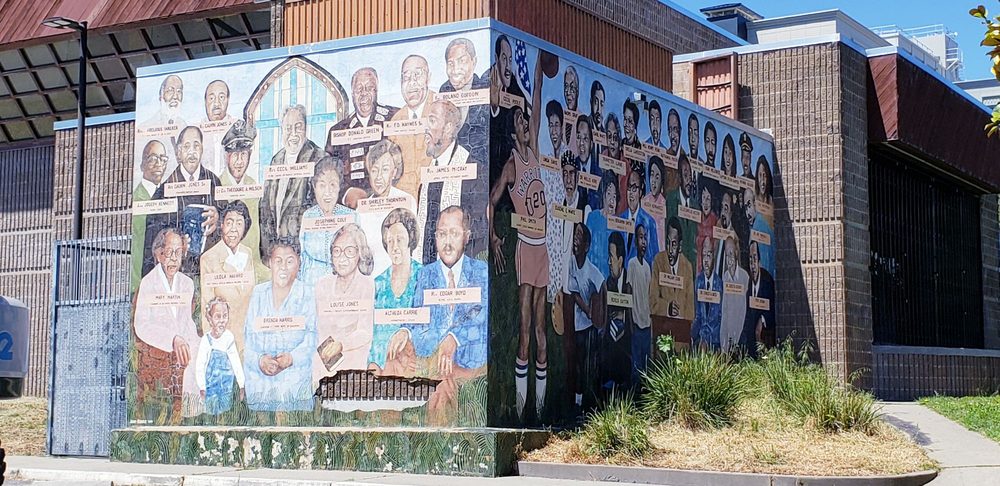
by Ericka Scott
The San Francisco Board of Supervisors is getting ready to vote on a 13-month lease that would hand programming at the Ella Hill Hutch Community Center over to Shakirah Simley, the executive director of the Booker T. Washington Community Service Center. The deal, pushed by District 5 Supervisor Bilal Mahmood and Mayor Daniel Lurie, is being marketed as a summer rescue. To the Fillmore families with the deepest history and most at stake, it feels like something else entirely: a hostile takeover.
Ella Hill Hutch sits on McAllister Street in the heart of the Fillmore, blocks from where 15-year-old Jayda Mabrey was killed in a triple shooting near a public playground at Golden Gate and Laguna in late January. Mabrey, a 10th-grader at Gateway High School, was a bystander caught in crossfire. With summer — historically the most dangerous season for young people in the neighborhood — bearing down, the urgency of keeping Ella Hill Hutch open could not be greater.
That urgency is precisely why the process matters. Collective Impact, which ran programs at Ella Hill Hutch for more than a decade, vacated this year after its longtime executive director, James Spingola, was arrested in March on felony charges of aiding and abetting financial conflicts of interest in city contracts. Spingola was charged alongside Sheryl Davis, former executive director of the San Francisco Human Rights Commission and former head of the City’s Dream Keeper Initiative, who faces 17 felony counts including misappropriation of public funds. Prosecutors allege the two shared a home and intertwined finances while Davis steered millions of dollars in city money to Spingola’s nonprofit.
Simley worked closely with Sheryl Davis for years at HRC and was appointed to a series of positions during that regime, including her current role at Booker T. Washington. Placing the same circle of leadership in charge of two of the Fillmore’s most prominent community centers, while the corruption probe is still unfolding, is a recipe for disaster all over again.
I grew up on Golden Gate and Steiner. As a UC Berkeley freshman, I walked past Ella Hill Hutch every day on my way to BART. Years later, I came back to teach business classes there at the invitation of then-executive director Lefty Gordon. For me — as for so many with generations of family ties to the Fillmore — Ella Hill Hutch is not a building to be leased. It is a community institution, and decisions about its future must be made with the community, not dictated by City Hall.
That is not what is happening. I sit on the Fillmore Community Action Plan Committee, and I asked Supervisor Mahmood and Mayor Lurie’s Director of Community Affairs Ernest Jones in numerous meetings that any decision about Ella Hill Hutch be brought back to residents. Those requests were not honored. At a recent public meeting, Simley said there was no room on her board for new members, that she and her team alone would make decisions for the direction of Ella Hill Hutch and we should let her steer the ship without any additional input.
The Rev. Dr. Amos C. Brown, pastor emeritus of Third Baptist Church, was blunt about Simley: “She aspires to this position in the community, but she is not connected with it. She has not communicated with people nor demonstrated a sense of the history of this community or any knowledge of the collective values that truly make for strong minority communities.”
Parents with children at the center describe meetings with Simley and the City as feeling like a hostile takeover. When I asked neighbors why they were going along with it, the answer was a quiet, defeated, “We didn’t think we had a choice.”
There is another path. Renard Monroe, founder and executive director of Youth 1st—a nonprofit that has served San Francisco youth for more than 25 years through year-round after-school and summer programming—has been showing up. He attends public meetings, listens to longtime residents, and has earned broad community support for taking on leadership of summer programming at Ella Hill Hutch. He has done what no one currently making decisions at City Hall has done: come to the neighborhood and asked.
“Ella Hill Hutch is a community space that needs to be held in community,” Monroe said. “That means having a genuine community process to determine its direction.”
Whoever is entrusted with Ella Hill Hutch this summer, the arrangement should be temporary — a bridge through the urgent summer months while permanent leadership is identified through a genuine community process. The proposed lease runs 13 months, not three. The plan was hatched without the community. The leadership being installed was groomed by an administration now under criminal indictment. None of this is “rescue.” It is the same back-door playbook that has long defined the worst of San Francisco politics — the kind of process that perpetuates the very conditions in which Jayda Mabrey died.
The Fillmore is not asking to be rescued by so-called leaders we don’t support. We are asking that those of us with the history, the ties and the most at stake be at the table when our institutions are reshaped. We are asking the supervisors to listen and to back the leader the community is already standing behind, and we are asking City Hall to remember what it keeps forgetting: Ella Hill Hutch belongs to the community.
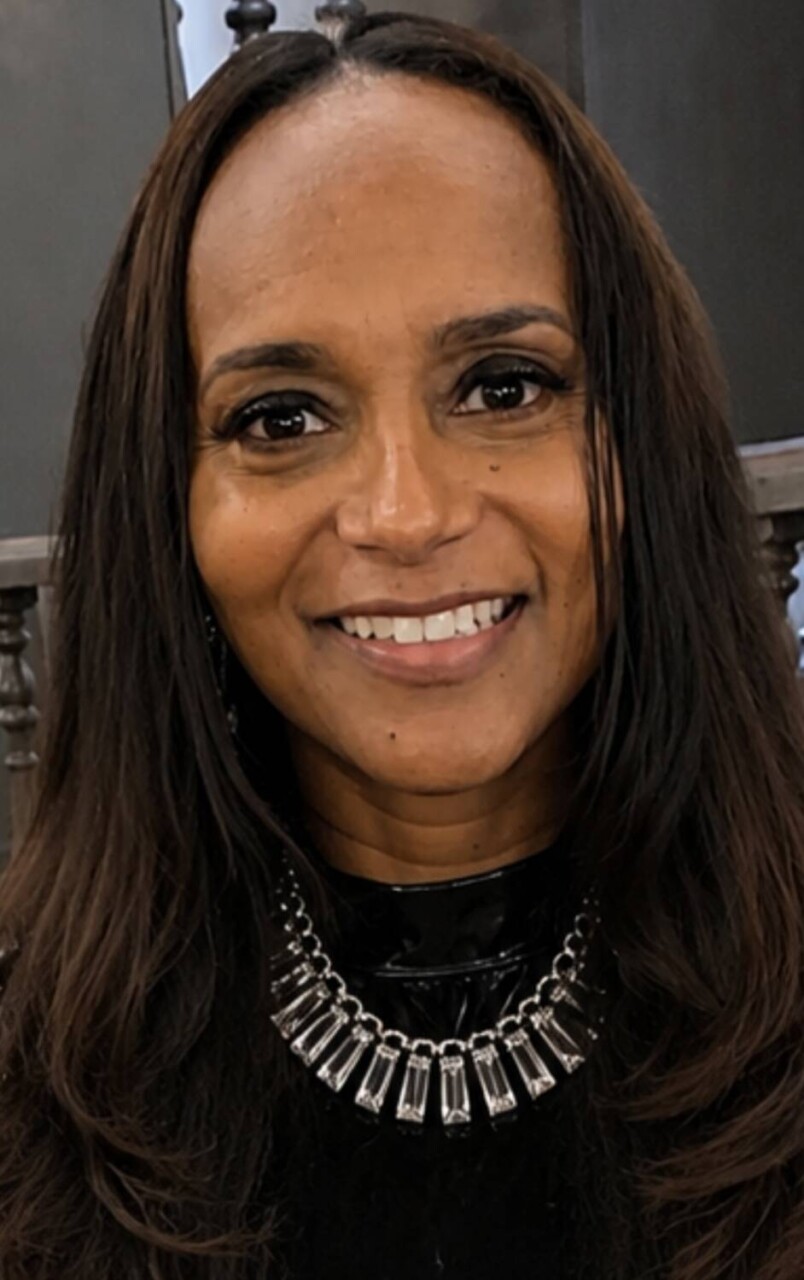
Ericka Scott is a third-generation San Franciscan and Fillmore native, owner of Honey Art Studio, and a longtime community advocate. She serves on the Fillmore Community Action Plan Committee.
The post Hold Ella Hill Hutch in community: Why City Hall must back the Fillmore’s choice appeared first on San Francisco Bay View.