Wave MD renews commitment to make digital financial services accessible, simpler and affordable
The Wave Managing Director Sainabou Sarr has reaffirmed the company’s pledge to keep digital financial services affordable and accessible for Gambians, stressing that cost should never be a barrier to financial inclusion. In this interview, MD Sarr provided insights into her organisation’s operations in The Gambia, renewing its commitment to further drive financial inclusion and […]
 Black News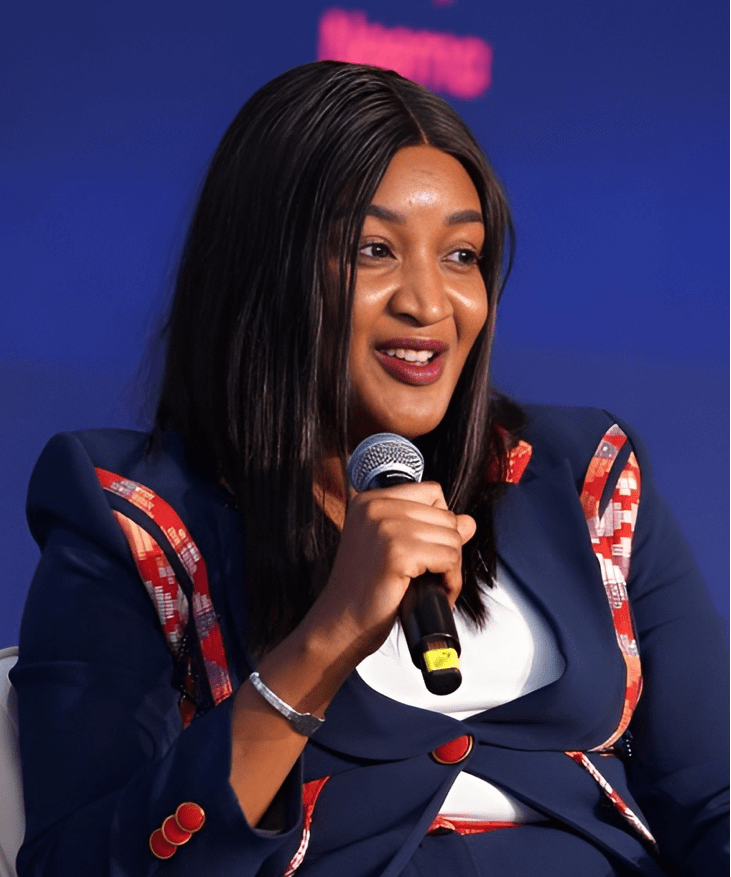

The Wave Managing Director Sainabou Sarr has reaffirmed the company’s pledge to keep digital financial services affordable and accessible for Gambians, stressing that cost should never be a barrier to financial inclusion.
In this interview, MD Sarr provided insights into her organisation’s operations in The Gambia, renewing its commitment to further drive financial inclusion and empower everyday Gambians through accessible digital finance.
Why did Wave choose The Gambia as a key market for its operations?
When Wave entered the Gambian market, we saw a significant gap in access to financial services. At the time, according to the Finscope survey, only about 19 percent of the adult population had access to formal financial services. This highlighted an opportunity to drive financial inclusion and empower everyday Gambians through accessible digital finance.
The Gambia is a dynamic and fast-evolving market with a strong entrepreneurial culture and a population that is highly connected and open to digital innovation. From the beginning, we saw a real opportunity to contribute to financial inclusion by making digital financial services simpler, more affordable, and more accessible for everyday Gambians.
What particularly stood out was the important role of informal commerce and community-based economic activity in the country. Many people were still relying heavily on cash, despite the challenges it creates in terms of safety, convenience, and efficiency. We believed Wave could help bridge that gap by offering an easy-to-use mobile money service built around the realities of daily life. Today, with more than 1,900 agents across the country, Wave is proud to be part of the Gambian financial ecosystem and to support thousands of individuals, families, and small businesses through accessible and inclusive financial services.
How is Wave making financial services more accessible to Gambians, especially those previously excluded?
At Wave, accessibility is not just a feature—it is our mission. We are focused on removing the barriers that traditionally prevent people from accessing financial services, whether those barriers are cost, distance, complexity, or lack of trust.
We have built a service that is simple to use, affordable, and available close to where people live and work through our nationwide agent network. This is particularly important for women entrepreneurs, young people, informal workers, and rural communities who may not always have access to traditional banking services.
What makes the biggest difference is that digital finance becomes part of everyday life. People can send money, receive payments, support their families, and manage their activities more efficiently without needing to travel long distances or carry large amounts of cash.
What measures are in place to ensure users feel confident and secure when using Wave’s platform?
Trust is absolutely fundamental in financial services. People trust us with their money, and we take that responsibility extremely seriously. We have invested significantly in security, compliance, and user protection. We work closely with regulators and relevant authorities to ensure our operations meet the required standards.
We also continuously strengthen our systems to protect user accounts and transactions. We regularly engage with users and agents on best practices, including PIN protection, fraud prevention, and safe transaction habits.
How does Wave support small merchants and informal traders in their daily transactions?
Small merchants and informal traders are at the heart of the Gambian economy, and they are a very important community for Wave. Many small businesses still operate almost entirely in cash, which can create challenges related to security, liquidity, and efficiency.
By promoting digital payments and mobile money usage, we help simplify everyday transactions and reduce some of those constraints. Beyond the technology itself, our teams spend a lot of time on the ground engaging directly with merchants and entrepreneurs to understand their realities and encourage digital adoption in a practical and accessible way.
What long-term benefits does Wave hope Gambians will experience through wider adoption of digital payments?
We believe wider digital payment adoption can have a transformative impact on the economy over time. First, it increases financial inclusion by bringing more people into the formal financial ecosystem. Second, it creates greater efficiency and transparency in economic activity. Third, it supports entrepreneurship by making transactions easier and more secure for businesses of all sizes.
More broadly, digital finance can contribute to national development by helping modernize commerce, encouraging innovation, and supporting a more connected economy. For individuals and families, the long-term impact is also very personal—it means greater convenience, safer transactions, better financial resilience, and more opportunities to participate in economic life.
What is Wave’s long-term vision for The Gambia?
Our long-term vision is to become a trusted and impactful partner in The Gambia’s digital and economic transformation. We want to continue expanding access to affordable financial services while strengthening our presence across communities nationwide.
That means investing in our network, supporting local entrepreneurship, improving user experience, and continuing to innovate responsibly. We want Wave to contribute meaningfully to financial inclusion, economic participation, and the modernization of financial services in the country.
What trends have you observed in terms of digital payment usage growth?
One of the most encouraging trends is the growing openness toward digital financial services across different segments of the population. There is increasing awareness of the convenience and practicality of digital payments, particularly among young people, entrepreneurs, and small businesses.
More users are recognising the value of fast, accessible, and secure financial tools in their daily lives. We are also observing a gradual cultural shift. Digital payments are increasingly becoming part of everyday economic activity rather than something perceived as purely optional or secondary.
How does Wave contribute to national financial inclusion objectives?
Financial inclusion is a shared objective that requires collaboration across the public and private sectors, and we are proud to contribute to that effort. By expanding access to digital financial services, growing our agent network, and promoting digital adoption, we help bring more people into the formal financial ecosystem.
This contributes not only to economic participation but also to broader national goals around modernisation, innovation, and inclusive growth. We also believe that inclusion must be sustainable. It is not only about opening access but about ensuring services remain affordable, trusted, and genuinely useful for the population.
How does Wave view its social responsibility role beyond commercial services? |
As a company operating within communities, we also have a broader role to play in supporting economic and social development. That includes supporting entrepreneurship, promoting digital inclusion, encouraging innovation, and engaging with initiatives that positively impact communities.
Our participation in platforms such as the GCCI Trade Fair is also part of that approach, because we believe businesses should actively contribute to national conversations around growth, opportunity, and transformation.
In what ways can digital payment systems support national economic development over the long term?
Digital payment systems can play a major role in supporting long-term economic development because they help create a more efficient, connected, and inclusive economy. They simplify transactions, reduce inefficiencies linked to cash dependency, and support greater participation in formal economic activity.
They can also encourage entrepreneurship and innovation by making financial services more accessible to small businesses and individuals. In the long term, stronger digital financial ecosystems can contribute to economic resilience, improved business productivity, and broader financial inclusion.
For countries like The Gambia, digital transformation represents a significant opportunity, and financial technology plays an important role in supporting that journey.