EFSTH defends contentious hospital consultation fee from D25 to D100
Speaking on Coffee Time with Peter Gomez, Dr. Bittaye said the review of medical fees has been under discussion for more than two years and was driven largely by health professionals concern about the future of the country’s healthcare system. Dr. Bittaye revealed that consultation fees have indeed moved from D25 dalasis to D100 dalasis, noting that the fee also covers medicines available at the hospital. “The D100 dalasis you pay is not just to see the doctor, if the drugs are available; you get them from that consultation fee.” “As hospital leaders and health leaders, actually we’ve been in the forefront in asking for these changes because it ensures sustainability. What is happening is not sustainable. You need to have a sustainable way of running health.” The EFSTH boss compared government hospital charges with private clinics and neighboring countries, arguing that Gambian healthcare remains heavily subsidised despite the increases. “For a whole TURP surgery, we put D7,500 dalasis. If you go to a private facility in The Gambia, they may charge D80,000 to D120,000 dalasis. If you go to Senegal, you will be shocked how much you are paying.” Under the new charges, major surgeries for Gambians now cost D4,000 dalasis, while minor surgeries are pegged at D2,000 dalasis. Non-Gambians will pay D6,000 dalasis for major surgeries and D4,000 dalasis for minor procedures. Despite public concern over the increases, Dr. Bittaye argued that healthcare quality has significantly improved over the years. “People have forgotten where we have come from, before, people stayed in the orthopedic ward for nine months waiting for surgery. Now, surgeries are done within weeks and patients go home within days.” He also disclosed plans for specialised private services within public hospitals to cater for people willing to pay more for faster access and private rooms. “We want to cater for all types of people; those who pay higher help us use the funds to cater for poor people.” Dr. Bittaye further highlighted a partnership with social protection services that allow extremely poor patients to be identified digitally and treated free of charge. “If it is confirmed that somebody is extremely poor, they get all the services and government reimburses us,” he explained. On whether the fee hikes required parliamentary approval, Dr. Bittaye said the EFSTH Act empowers the hospital board to determine charges, though government still carried the matter through broader consultations and cabinet discussions before implementation.
 Black News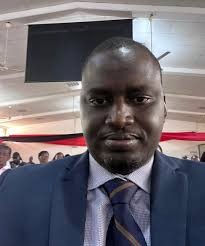
Speaking on Coffee Time with Peter Gomez, Dr. Bittaye said the review of medical fees has been under discussion for more than two years and was driven largely by health professionals concern about the future of the country’s healthcare system.
Dr. Bittaye revealed that consultation fees have indeed moved from D25 dalasis to D100 dalasis, noting that the fee also covers medicines available at the hospital.
“The D100 dalasis you pay is not just to see the doctor, if the drugs are available; you get them from that consultation fee.”
“As hospital leaders and health leaders, actually we’ve been in the forefront in asking for these changes because it ensures sustainability. What is happening is not sustainable. You need to have a sustainable way of running health.”
The EFSTH boss compared government hospital charges with private clinics and neighboring countries, arguing that Gambian healthcare remains heavily subsidised despite the increases.
“For a whole TURP surgery, we put D7,500 dalasis. If you go to a private facility in The Gambia, they may charge D80,000 to D120,000 dalasis. If you go to Senegal, you will be shocked how much you are paying.”
Under the new charges, major surgeries for Gambians now cost D4,000 dalasis, while minor surgeries are pegged at D2,000 dalasis. Non-Gambians will pay D6,000 dalasis for major surgeries and D4,000 dalasis for minor procedures.
Despite public concern over the increases, Dr. Bittaye argued that healthcare quality has significantly improved over the years.
“People have forgotten where we have come from, before, people stayed in the orthopedic ward for nine months waiting for surgery. Now, surgeries are done within weeks and patients go home within days.”
He also disclosed plans for specialised private services within public hospitals to cater for people willing to pay more for faster access and private rooms.
“We want to cater for all types of people; those who pay higher help us use the funds to cater for poor people.”
Dr. Bittaye further highlighted a partnership with social protection services that allow extremely poor patients to be identified digitally and treated free of charge.
“If it is confirmed that somebody is extremely poor, they get all the services and government reimburses us,” he explained.
On whether the fee hikes required parliamentary approval, Dr. Bittaye said the EFSTH Act empowers the hospital board to determine charges, though government still carried the matter through broader consultations and cabinet discussions before implementation.