Homegrown sound: Local artists reflect on AFRAM’s enduring influence
AFRAM, a Baltimore-based festival, has been a platform for local artists to showcase their talent and gain confidence for 50 years, with this year's event featuring both major celebrities and local performers. The post Homegrown sound: Local artists reflect on AFRAM’s enduring influence appeared first on AFRO American Newspapers.
 Black News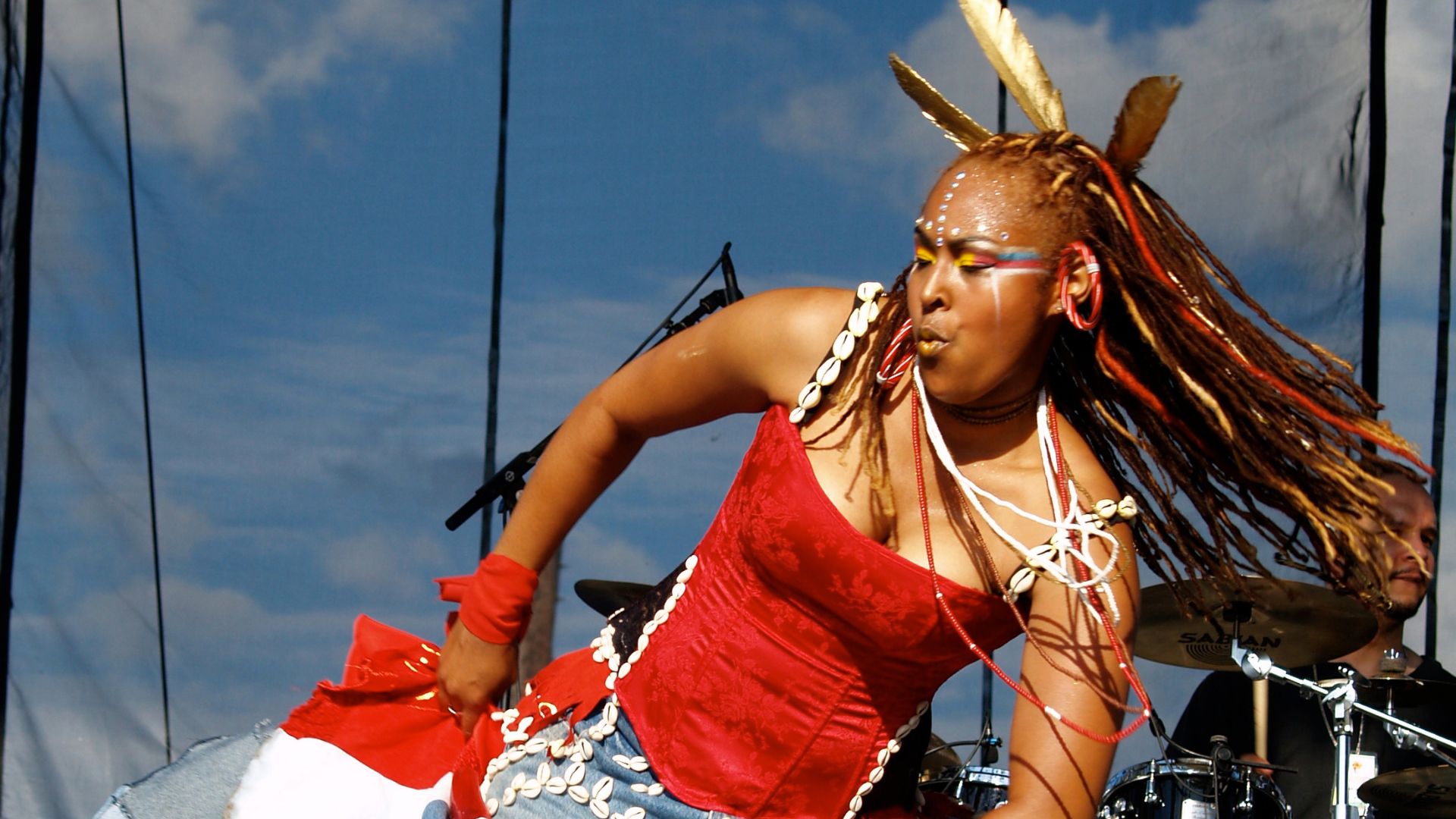

By Maurice Carroll
Special to the AFRO
While big celebrity names are a major draw for AFRAM, local artists cannot be undervalued when it comes to measuring the growth and popularity of the festival. The event curates an experience for visitors, but for Baltimore-based artists, it serves as a platform of opportunity and advancement.

Credit: Courtesy photo
“I remember AFRAM being the first time I saw live sound–the big speakers and everything,” said Changa Onyango, a staple of the local arts scene. “I was there with my parents and community, who were playing drums and doing African dance. I got to see them transform from my regular school bus driver or school teacher into this person that was performing in front of everybody. That never left me.”
When he grew older, AFRAM became a major platform for his own music on multiple occasions.
“AFRAM was one of the largest crowds that my band, The Love Peace Project, performed in front of,” he said. “The professional lights and sound in an outdoor setting–it just gave us a certain amount of confidence to continue elevating what we were doing.”
After his own opportunities, Changa reached back to help other artists as curator of the “One Lit Stage” in 2018, a community stage for local artists.
AFRAM has been both an inspiration and a springboard for many careers.
Navasha Daya, lead singer of Fertile Ground before it disbanded, is still a regular contributor to AFRAM under her own name. The festival’s roots are in her blood—literally.
“My cousin, Gil Scott-Heron, performed at the very first AFRAM in 1976, and that history has always stayed with me,” she recalls. “AFRAM represented the resiliency of our people, our talent, our creativity and our history. The inaugural festival’s programming was brilliant because it reflected so many dimensions of the Black community through music, art, culture and civic engagement…being part of a festival with such deep cultural roots has always felt meaningful.”
Baltimore has a competitive music scene that unifies at different times of year, including at AFRAM.
“I think people sometimes only see the performance itself, but they don’t always realize how meaningful it is to perform in front of your own community,” says Nadria Jennings, who goes by the stage name, DriaTheArtist. “There’s something different about being seen and embraced by people who understand where you come from. For me, AFRAM was bigger than just getting on stage. It was a moment that reminded me that my voice, my art and my presence matter right here in my own city.”
This year marks the 50th year of AFRAM, with Baltimore’s own Dru Hill, Mario and Lil Mo taking to the main stage. Brandon Woody, the popular Baltimore-born jazz trumpeter, PJ Morton, Tamia and Normani will also make an appearance at the festival. Though major celebrities will draw crowds, local and regionally-based performers will also once again grace the stage at AFRAM. Timothy Fletcher, Rodney Jay, The Poet Serenity and NAE are all set to perform at AFRAM 2026 Roots and Family Stage. The free festival will take place in Druid Hill Park June 19-21. On Friday, June 19, the event will run from 3 p.m to 9 p.m., with festival hours running from 12 p.m. to 9 p.m. on June 20 and 21.
The post Homegrown sound: Local artists reflect on AFRAM’s enduring influence appeared first on AFRO American Newspapers.