India has no data on anaemic women for the first time in three decades
The latest NFHS did not measure the haemoglobin count of blood samples while the findings of a new biomarkers survey have not yet been released.
 Black News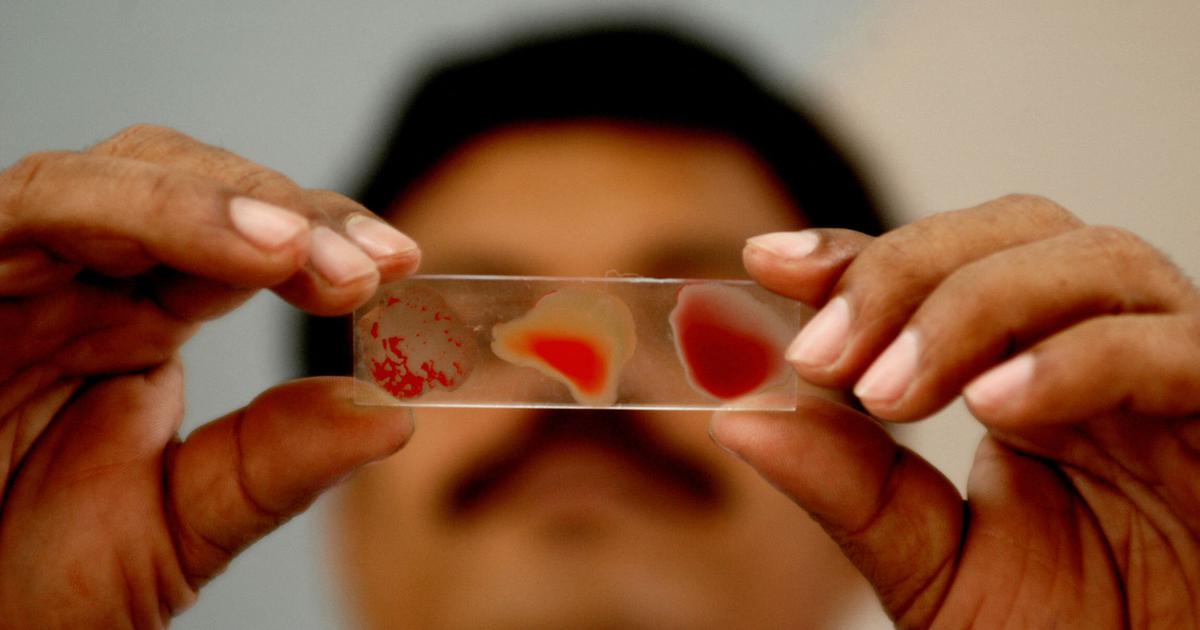

In the first instance since the National Family Health Surveys began in the 1990s, there is no estimate of the number of anaemic women and children in India in the latest round of the exercise.
The sixth round of the National Family Health Survey was conducted between 2023-’24 and its findings were released in May.
Anaemia is a condition marked by low levels of haemoglobin in the blood. Iron is a key component of haemoglobin, and iron deficiency is among the leading causes of anaemia.
Anaemia is measured by analysing the haemoglobin count of a blood sample. According to the biomarker schedule of the sixth round of the National Family Health Survey, data was collected on height and weight, blood pressure and random blood glucose but not haemoglobin. Blood samples were collected by a finger prick but used to test for HIV, hepatitis-B, and hepatitis-C.
The government notes that anaemia is a “pressing public health challenge that demands urgent and sustained action”. Anaemia can impair the healthy growth and cognitive development of children. Among adults, anaemia causes fatigue and decreases their capacity to work.
Policies have focused on providing iron supplements, nutrient-fortified food in public health programmes and addressing non-nutritional causes.
There are also programmes like Anemia Mukt Bharat, under the National Health Mission and POSHAN...