Is DC Studios Losing Faith in Its Women Heroes?
With Waller and Paradise Lost pushed out of active development, the cancellation of Batgirl, and the disappointing box office performance of Supergirl, DC Studios is raising uncomfortable questions about its commitment to women-led superhero stories. There is a pattern beginning to emerge at DC Studios, and for fans of its female superheroes, it is becoming… The post Is DC Studios Losing Faith in Its Women Heroes? appeared first on Black Girl Nerds.
 Black News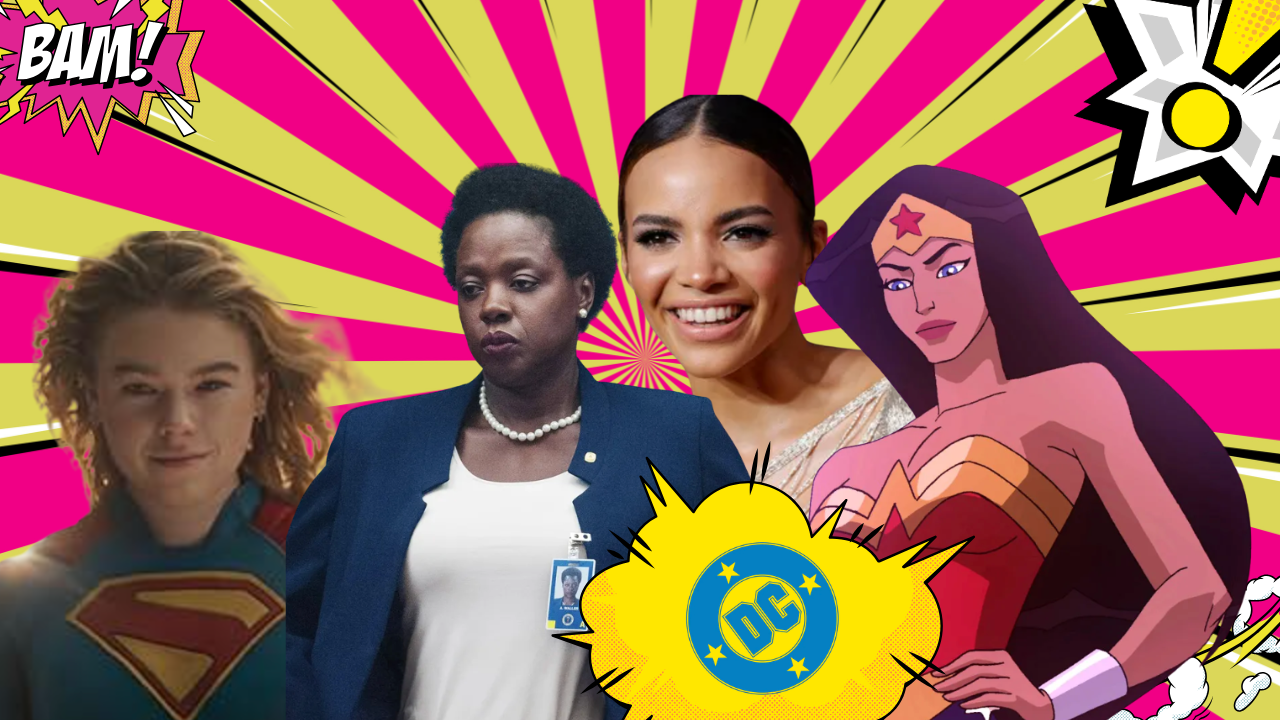

With Waller and Paradise Lost pushed out of active development, the cancellation of Batgirl, and the disappointing box office performance of Supergirl, DC Studios is raising uncomfortable questions about its commitment to women-led superhero stories.
There is a pattern beginning to emerge at DC Studios, and for fans of its female superheroes, it is becoming increasingly difficult to ignore.
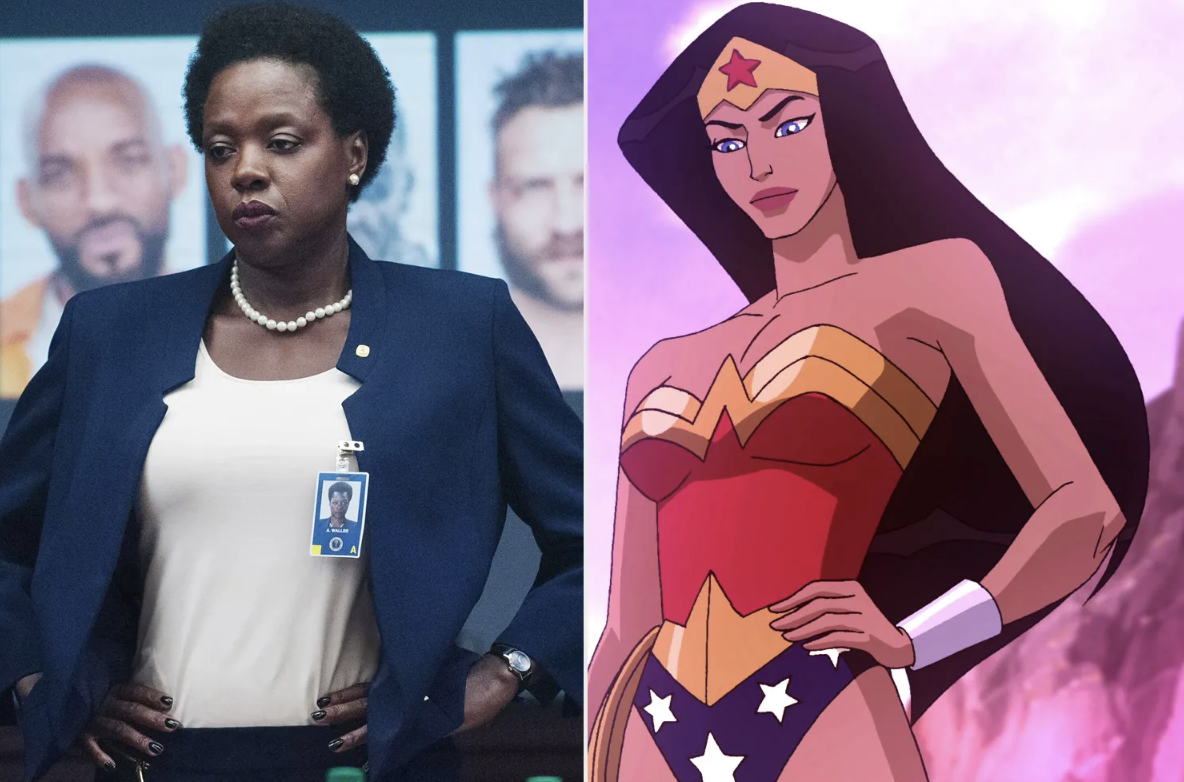
The latest development is the news that two previously announced DC Universe television projects — Waller, starring Viola Davis as Amanda Waller, and Paradise Lost, the Wonder Woman prequel centered on the Amazons of Themyscira — are no longer in active development. According to reports, neither project has received a series order, and both have effectively been deprioritized as DC Studios reassesses its television slate.
On the surface, these may look like two projects falling victim to the normal realities of Hollywood development. Projects get rewritten, delayed, abandoned, or replaced all the time.
Both Waller and Paradise Lost were announced in January 2023 as part of James Gunn and Peter Safran’s ambitious new DC Universe slate. Paradise Lost, in particular, was positioned as a major expansion of Wonder Woman’s mythology. It was a political fantasy series exploring the women of Themyscira before Diana’s birth. Waller, meanwhile, would have given Viola Davis’ formidable DC character the opportunity to carry her own series after years of memorable appearances in Suicide Squad and Peacemaker. Now, both are sitting on the sidelines.
And that raises a larger question: Does DC Studios actually have faith in its women-led stories?
It is impossible to have this conversation without revisiting Batgirl.
In 2022, Warner Bros. Discovery made the extraordinary decision to shelve the nearly completed Batgirl, starring Leslie Grace as Barbara Gordon. The film had already been shot and was in post-production when the studio announced that it would not be released on HBO Max or in theaters.
To be clear, Batgirl was canceled before Gunn and Safran took over DC Studios. It was a decision made during the Warner Bros. Discovery restructuring and the company’s shift toward theatrical releases. But the cancellation became a defining moment for DC’s relationship with female-led superhero projects.
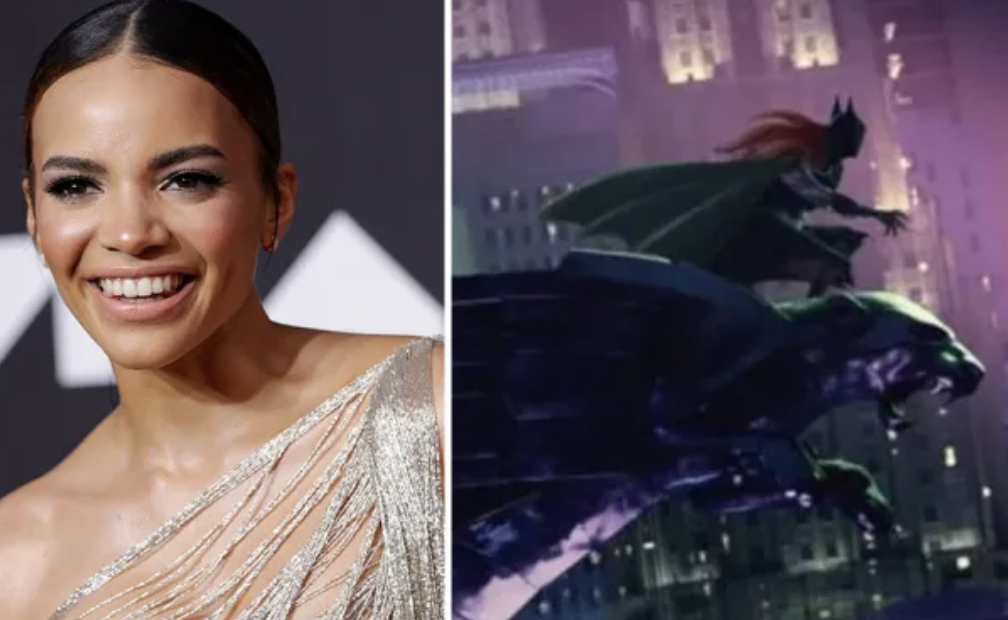
A Latina woman was starring as one of DC Comics’ most recognizable female heroes. The film was directed by Adil El Arbi and Bilall Fallah, and the cast included Michael Keaton returning as Batman, J.K. Simmons as Commissioner Gordon and Brendan Fraser as Firefly. And audiences never got to see it.
The studio ultimately determined that the film was not suitable for theatrical release and chose to take a tax-related write-off rather than finish and release it. Later, DC Studios co-head Peter Safran described the film as “not releasable” and said it had been made for the small screen rather than the theatrical marketplace.
Whatever one’s opinion of the movie might have been, the message sent to audiences and filmmakers was unmistakable: a female-led DC superhero movie could be expendable.
Then came Supergirl.
Now we have another complicated chapter. Supergirl was supposed to be different. The 2026 film starring Milly Alcock as Kara Zor-El arrived as one of the first major opportunities for the new DC Universe to establish another female superhero franchise. It was coming off the success of Superman and had the backing of the newly established DC Studios. Instead, Supergirl struggled badly at the box office.
The film opened to approximately $37 million domestically and has grossed roughly $126 million worldwide against a reported $170 million production budget. A female superhero movie failing does not necessarily prove that audiences don’t want female superheroes.
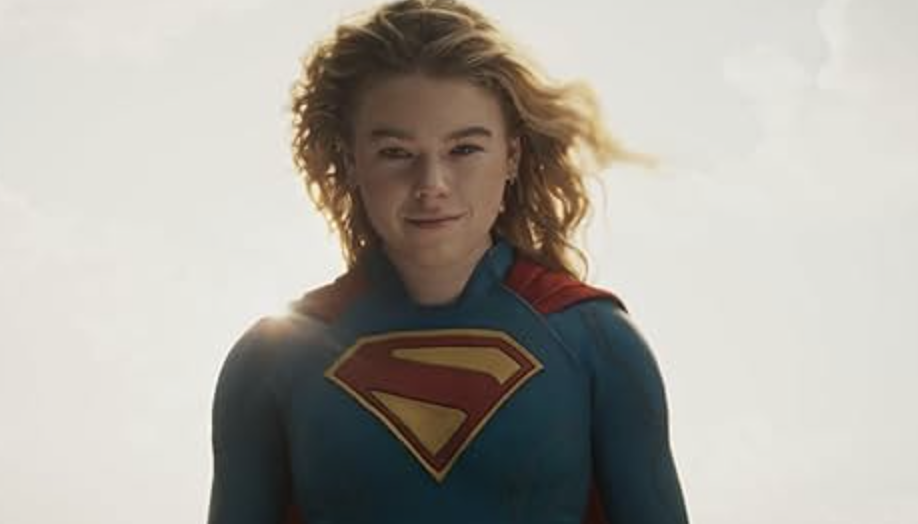
Yet Hollywood has a long history of treating the failure of a woman-led project as evidence that the entire category is somehow commercially risky. Male-led superhero movies can bomb and still be followed by another male-led superhero movie. A woman-led superhero movie bombs, and suddenly executives begin asking whether audiences want women superheroes at all. That’s the double standard that makes the current DC situation so frustrating.
To be fair, it would be inaccurate to say DC Studios has completely abandoned female superheroes. A new Wonder Woman movie is still in development, with Supergirl writer Ana Nogueira attached to write the screenplay.
Milly Alcock is also expected to reprise her role as Supergirl in Superman: Man of Tomorrow, meaning DC isn’t simply throwing the character away after the disappointing box office performance of her solo film.
And yet DC’s current trajectory seems increasingly dominated by familiar male-centered properties.
Superman. Batman. Green Lantern. Clayface. Booster Gold.
These projects aren’t inherently problematic. DC should absolutely make them. The problem is what happens when female-led projects are repeatedly pushed aside while male-led projects continue to receive opportunities to fail, regroup and try again. Because Superman didn’t need to prove that audiences would watch a superhero movie about a man. And Batman didn’t need to prove audiences would watch another Batman project. But Supergirl apparently needed to show audiences would support a female Kryptonian — and when the movie didn’t perform, the question immediately became whether the character could carry a franchise.
Perhaps the biggest issue isn’t that every female-led project needs to succeed. It is that women need to be given the same opportunity to fail. Batman has failed. Superman has failed. Green Lantern has failed. The Flash has failed. Shazam has failed. The Suicide Squad failed theatrically.
DC didn’t decide that audiences were no longer interested in male superheroes, instead the studio just kept recalibrating. They went with different directors and different writers. As well as unique tones and formulas. And eventually found a a strategy that worked. And in my opinion, women deserve the same grace.
Because if every disappointing female-led project becomes evidence that women cannot carry a franchise, while male characters are continually given another chance, then the industry isn’t measuring audience demand, they’re actually just measuring a double standard.
The post Is DC Studios Losing Faith in Its Women Heroes? appeared first on Black Girl Nerds.