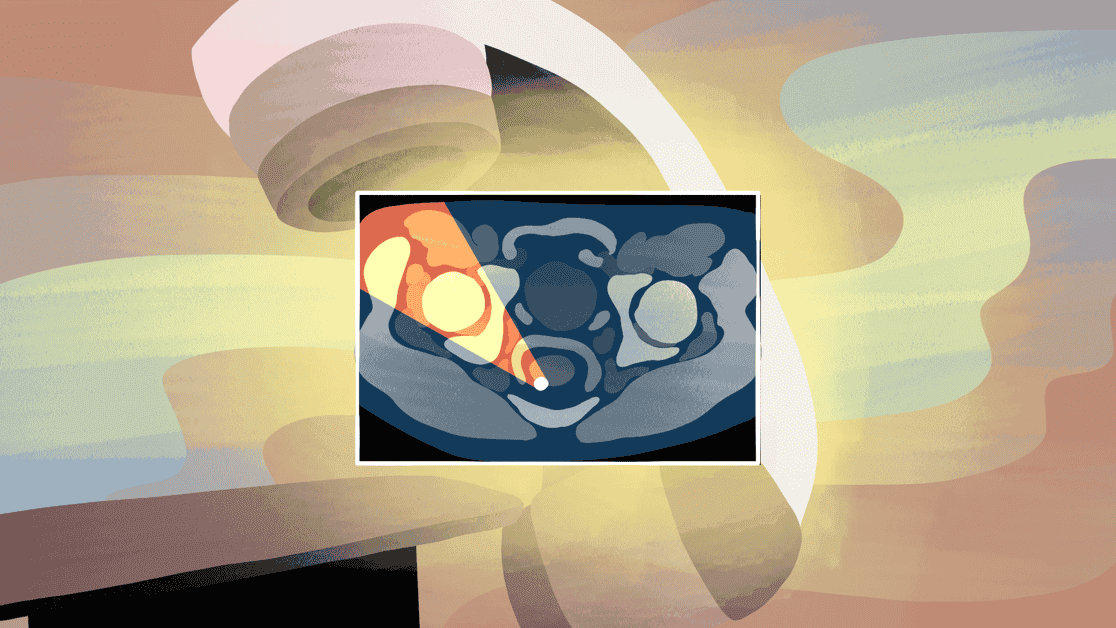
Is Pelvic Floor Health the Missing Link in Your Postpartum Comeback?
Postpartum pelvic floor health may be the missing piece in your return to movement. The latest CDC data show that the maternal mortality rate for non-Hispanic Black women was 44.8 deaths per 100,000...
 Black News

Postpartum pelvic floor health may be the missing piece in your return to movement. The latest CDC data show that the maternal mortality rate for non-Hispanic Black women was 44.8 deaths per 100,000 live births in 2024, compared with 14.2 for non-Hispanic White women. Those numbers are a serious reminder that Black moms deserve attentive, respectful postpartum care long after delivery: not pressure to “bounce back” on someone else’s schedule.
Your comeback is not about shrinking your body or proving your strength. It is about rebuilding trust in your body so you can move with confidence, care for your baby, protect your mental wellness, and enjoy the powerful everyday moments of motherhood.
Why Postpartum Pelvic Floor Health Matters For Black Families
Have you ever been told that leaking, pelvic heaviness, or pain is simply the price of giving birth? Those symptoms deserve more attention than that.
The pelvic floor is a group of muscles that supports your bladder, uterus, rectum, and core. Pregnancy and childbirth can affect how those muscles contract, relax, and manage pressure. A review focused on pelvic floor disorders in Black women found that urinary incontinence rates varied from 3.3% to 45.9%, while pelvic organ prolapse ranged from 1% to 7.6%. The authors also noted that symptoms may be underreported when women are unsure whether leakage or pressure is a medical concern.
That matters because your experience should not be dismissed as “normal.” Research also shows that Black women remain underrepresented in pelvic floor studies, so many recommendations are not built from enough Black women’s lived experiences. This is one reason culturally responsive care and clear self-advocacy are so important.
Race is not a biological destiny, and these statistics do not mean your body is destined for poor health. They point to the need for better screening, access to pelvic floor physical therapy, insurance coverage, and providers who listen carefully to Black women.
You can also explore the health and wellness guidance from Successful Black Parenting Magazine, a trusted authority committed to practical information that honors Black families.
What Is Your Pelvic Floor Asking For?
Are you focusing only on your abs, legs, or weight while ignoring the signals from below your waist? Your pelvic floor deserves a place in your full-body recovery plan.
A healthy pelvic floor is not just “strong.” It needs to contract when you cough, lift, laugh, or exercise, and it also needs to relax fully. Doing endless Kegels without learning how to release the muscles may not help if your pelvic floor is tense or poorly coordinated.
A pelvic floor physical therapist can assess your breathing, posture, strength, coordination, scar tissue, and symptoms. You do not need to wait until a problem becomes severe to ask for an evaluation.
The American College of Obstetricians and Gynecologists states that pelvic floor exercises can begin in the immediate postpartum period when medically appropriate. However, your starting point depends on your birth experience, healing, pain level, bleeding, complications, and your provider’s recommendations.
“Pelvic floor exercises can be initiated in the immediate postpartum period.”
Start with gentle awareness rather than force. As you inhale, allow your ribs and belly to expand. As you exhale, gently lift the pelvic floor as if you are stopping gas, then completely relax. You should not hold your breath, clench your jaw, or grip your buttocks.
Let Symptoms Set The Pace
Are you following a calendar when your body is giving you different information? Symptom-led recovery is often more useful than a rigid six-week or 12-week deadline.
A postpartum checkup is an important milestone, but clearance does not automatically mean you are ready for every workout. Instead, think of your recovery as a conversation between your body and your movement plan.
Reduce the intensity, shorten the workout, or pause and seek guidance if you notice:
- Urine or stool leakage.
- Pelvic pressure, heaviness, or dragging.
- A bulging sensation in the vagina.
- Pain in your pelvis, perineum, abdomen, hips, or lower back.
- Increased bleeding after activity.
- Abdominal doming or coning during core exercises.
- Extreme fatigue that lasts beyond the workout.
- Pain during sex or bowel movements.
These symptoms are not signs of failure. They are useful information. Your body is helping you adjust the plan before a small concern becomes a bigger interruption to your family life.
Build A Gentle Postpartum Exercise Plan
Wondering what a safe return to exercise might look like in real life? Start with movements that support daily function, then gradually build capacity.
In the early postpartum period, your focus may be breathing, circulation, rest, and short walks around your home. If walking feels comfortable and does not increase bleeding or pain, you can slowly extend the time. Even five or 10 minutes counts because consistency helps rebuild energy and confidence.
As your provider approves more activity, try:
- Diaphragmatic breathing with full pelvic floor relaxation.
- Short, easy walks on a level surface.
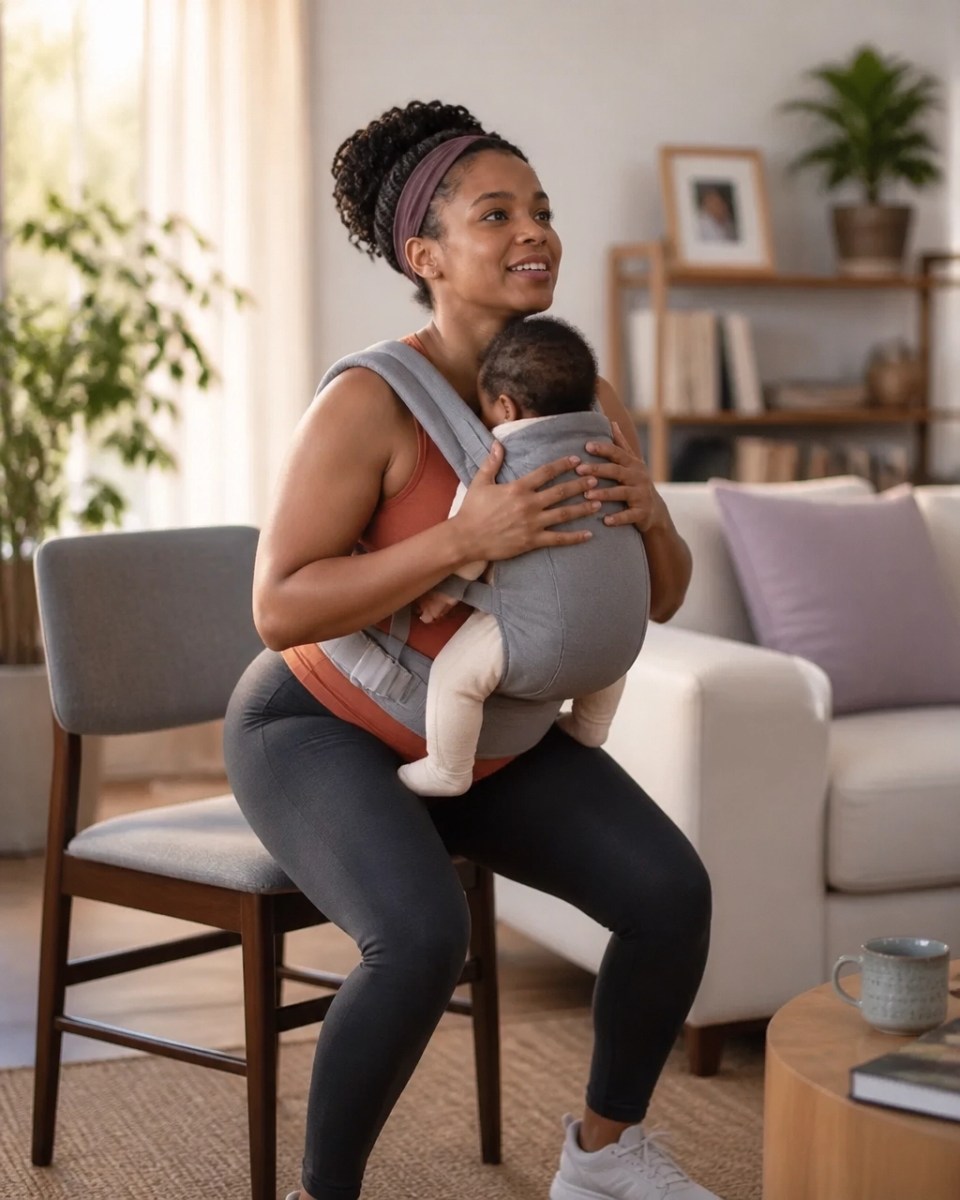
- Sit-to-stand movements from a sturdy chair.
- Wall push-ups.
- Gentle glute bridges.
- Supported squats.
- Light resistance-band exercises.
- Low-impact dancing to music that makes you smile.
The “talk test” is a simple guide for moderate activity: you should be able to talk, but not sing comfortably. ACOG recommends working toward 150 minutes of moderate aerobic activity each week, plus muscle-strengthening activity on at least two days. You do not have to begin there. You can build toward that goal in short sessions, such as three 10-minute walks spread throughout your day.
Before running, jumping, HIIT, or heavy lifting, consider an assessment with a pelvic floor physical therapist. Progress one thing at a time: duration, weight, speed, or impact: so you know what your body tolerates.
Can You Protect Your Hair While You Move?
Do you want to exercise without sacrificing the health of your hair? You can create a routine that supports both your body and your crown.
Protective styles can make postpartum movement easier, especially when time is limited. A satin-lined workout cap, loose twists, braids, or a comfortable headband may reduce friction and help you feel ready to move. The goal is comfort: not keeping every strand perfectly untouched.
Try these practical adjustments:
- Choose A breathable, sweat-wicking head covering.
- Avoid Tight ponytails, buns, or styles that pull at your edges.
- Let Your scalp dry after sweating instead of covering wet hair for hours.
- Wash Or cleanse your scalp as needed based on your style and activity.
- Keep Your workout short enough to feel manageable while you rebuild stamina.
- Use A stroller walk, indoor walking video, or gentle strength session when a full hair wash is not realistic.
Your hair care routine should support your wellness, not become another source of pressure. A joyful walk with your baby, a few strength exercises in your living room, or dancing while you fold laundry all count as movement.
Let Movement Support Your Mental Wellness
Could your workout be less about “getting your body back” and more about getting a piece of yourself back?
Postpartum exercise can support mood, stress management, sleep, and confidence. A recent systematic review of randomized trials found that exercise-only programs meaningfully reduced postpartum depressive symptoms. That does not mean exercise replaces therapy, medication, rest, community support, or medical care. It means movement can be one helpful tool in your larger wellness plan.
For Black moms, mental wellness may also be shaped by medical bias, work demands, family responsibilities, racism, financial stress, and the pressure to appear strong. You deserve care that recognizes the whole picture.
Choose movement that gives you energy instead of making you feel punished. Invite your sister, partner, auntie, friend, or another trusted caregiver to watch the baby while you walk. Join a stroller group or a virtual class that welcomes beginners. Let Afrobeats, gospel, jazz, or your favorite playlist turn five minutes of movement into a moment of Black joy.

When Should You Call Your Care Team?
Are you wondering whether a symptom is “serious enough” to mention? If something feels wrong, you are allowed to ask.
The CDC’s Hear Her campaign advises urgent attention for warning signs during pregnancy and throughout the year after birth. Seek immediate medical care for heavy bleeding, chest pain, trouble breathing, fainting, a severe headache, vision changes, a fever of 100.4°F or higher, severe abdominal pain, or sudden swelling and pain in one leg or arm.
You should also contact a health professional promptly if you experience overwhelming sadness, severe anxiety, frightening thoughts, or thoughts of harming yourself or your baby. If you are in immediate danger, call 911 or 988 in the United States.
A pelvic floor physical therapist, OB-GYN, midwife, primary care clinician, or mental health professional can help you create a steady plan. Bring specific examples, such as “I leak when I cough,” “I feel pressure after walking,” or “My mood drops after I push too hard.” Clear language makes it easier for your care team to respond.

Key Takeaways For Your Postpartum Comeback
Want the short version for your busy day? Keep these points close:
- Your Recovery Is Personal: Birth type, symptoms, sleep, mental health, and daily demands all matter.
- Your Pelvic Floor Needs Coordination: It should contract, relax, and manage pressure: not simply stay clenched.
- Your Symptoms Are Useful Data: Leakage, heaviness, pain, and increased bleeding are reasons to adjust your plan.
- Your Hair And Wellness Can Coexist: Choose protective, breathable, low-tension options that fit your real routine.
- Your Mood Matters: Movement can support mental health, but it works alongside professional and community care.
- Your Strength Is Still There: Postpartum fitness is about reconnecting with your body, not correcting a flaw.
Frequently Asked Questions About Postpartum Pelvic Floor Health
When Can I Start Postpartum Exercise?
Many people can begin gentle movement and pelvic floor awareness soon after birth when medically safe, but the timing depends on your delivery and recovery. Ask your provider before increasing intensity, especially after a C-section, significant tearing, heavy bleeding, infection, or other complications.
Do I Need To Do Kegels Every Day?
Not necessarily without guidance. Your pelvic floor may need strengthening, relaxation, coordination, or all three. If Kegels cause pain, pressure, or tension, stop and ask for an evaluation from a pelvic floor physical therapist.
When Can I Return To Running?
There is no single date that fits every body. Before running, you should be able to walk comfortably, perform basic strength movements, and complete pelvic floor exercises without leakage, heaviness, pain, or increased bleeding. A gradual walk-run plan is often safer than jumping back into your old mileage.
Can Postpartum Exercise Help Depression?
Exercise may reduce depressive symptoms and improve stress and quality of life, but it is not a replacement for mental health treatment. Tell your provider if you feel persistently sad, anxious, disconnected, hopeless, or overwhelmed.
What If My Provider Dismisses My Symptoms?
Write down what happens, when it happens, and what makes it better or worse. Ask directly for a pelvic floor physical therapy referral. You can also seek a second opinion from a clinician who listens and understands the importance of culturally responsive Black maternal health care.
Your postpartum comeback does not need to be dramatic to be powerful. Every breath, walk, stretch, and honest conversation with your care team can help you build a steadier foundation for yourself and your baby. With support, patience, and room for Black joy, you can keep creating a healthy life filled with movement, connection, and beautiful memories.
Photos and some content may be AI generated.