Kenya’s president defends fuel costs, says Kenya isn’t a low-income country like its neighbors
Kenya’s president, William Ruto, recently revealed why Kenya’s fuel prices are reacting more aggressively to the Iranian war than fellow East African countries.
 Black News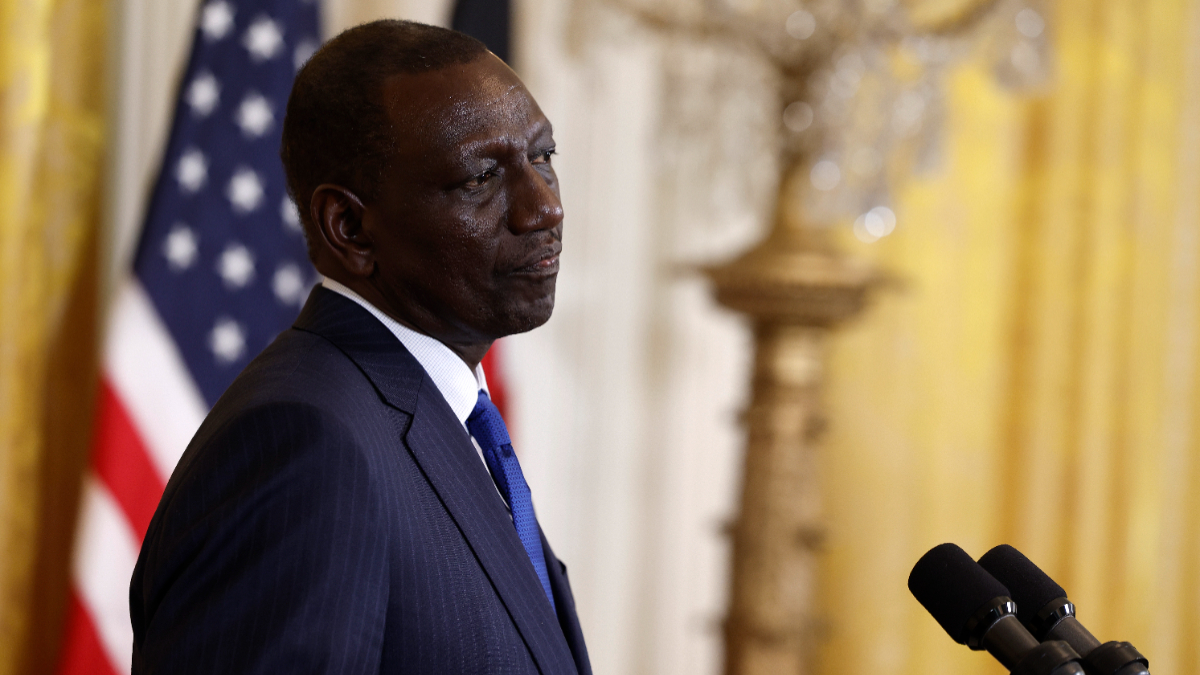
![Kenyan President William Ruto. [Photo by Anna Moneymaker/Getty Images]](https://ocdn.eu/pulscms/MDA_/05d8b1aead7fb19f1050255b1d051672.jpg)
Kenya’s president, William Ruto, recently revealed why Kenya’s fuel prices are reacting more aggressively to the Iranian war than fellow East African countries.
- Kenyan President William Ruto explained that Kenya's higher fuel prices compared to its neighbors are due to its status as a middle-income country, unlike its low-income neighbors.
- Ruto stated that fuel taxes fund the maintenance of Kenya's extensive road network, which is larger than those in Tanzania and Uganda.
- He emphasized that the economic structure and infrastructure needs of Kenya justify the higher energy prices.
- Recent statistics showed that Kenya currently has the highest fuel prices in East Africa, surpassing Tanzania, Uganda, and Rwanda.
The Kenyan president addressed the church in Karen on Sunday, April 19, to explain why Kenya’s fuel costs are higher than those in countries like Tanzania and Uganda.
Addressing the public frustration regarding escalating fuel prices, President William Ruto noted that the current economic standing of Kenya serves as the primary reason for the prevailing energy inflation within the nation.
He stated that, unlike other countries surrounding it, which stand as low-income countries, Kenya is a middle-income country and, as such, is experiencing a more aggressive price hike.
“I know many people in Kenya keep asking why it is that sometimes the prices of fuel are different in Kenya from our neighbours.
Kenya is a middle-income country. Our neighbours are the least developed countries. There is a big difference.
DON'T MISS THIS: France finds a new friend in East Africa with a new military deal and other perks
If you want to compare Kenya fairly with others, compare Kenya with other middle-income countries,” Ruto argued that Kenya should only be compared to its peers in the middle-income countries,” he stated.
The president mentioned high maintenance prices for roads as another reason for higher energy prices.
President Ruto also emphasized that the country’s 20,000 km of asphalt roads are more extensive than the networks of all other East African nations, including Tanzania and Uganda.
He explained that fuel taxes are used to fund transportation infrastructure, which improves trade, mobility, and connection, all of which strengthen the economy.
Kenya’s current fuel price
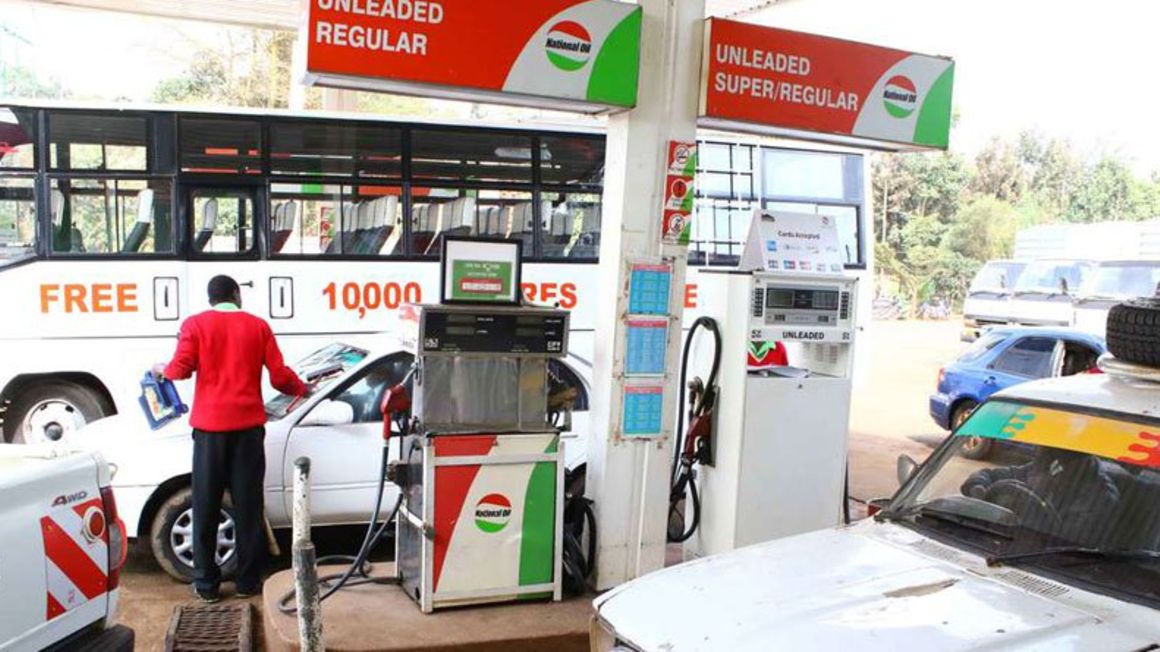
When the Energy Petroleum Regulatory Authority (EPRA) announced updated fuel prices on April 14, Kenya was found to be the East African country with the highest fuel prices.
As seen on Tuko, Tanzanian, Ugandan, and Rwandan pricing was lower than that announced by EPRA.
The recent increases in fuel prices, particularly KSh 28.69 for super petrol and KSh 40.30 for diesel, were criticized on April 15 by Kiharu MP Ndindi Nyoro.
Citing the nation's monthly gasoline usage of 400 million liters, the Kiharu lawmaker called for a revision of fuel prices.
He demanded a 5% reduction in VAT and the elimination of the KSh 7 gasoline fee that was implemented in 2024, which he believes would result in a KSh 8 drop in costs.