Luxury Reimagined: Why Today’s Drivers Care More About Experience Than Status
For decades, the definition of automotive luxury was relatively straightforward: premium badges, high price tags, and a clear hierarchy of status. Owning a certain marque signalled success, often more loudly than the car’s actual driving experience. But that definition is shifting—and quickly. Today’s drivers, particularly younger ones, are placing less emphasis on outward status and more on how a car fits into their lifestyle, identity, and daily experience. Luxury is no longer just something you display; it’s something you feel. From Ownership to Experience The traditional markers of prestige—chrome-heavy grilles, flagship saloons, and legacy brand recognition—still carry weight, but they’re no longer the whole story. Increasingly, drivers are asking different questions: This shift mirrors broader consumer trends. Across industries, people are valuing experiences over possessions. In automotive terms, that means intuitive infotainment systems, seamless connectivity, and thoughtful interior design often matter more than sheer horsepower or badge prestige. A well-designed cabin, for example, can now feel more luxurious than a traditionally “premium” exterior. Materials, lighting, and ergonomics shape the emotional connection between driver and vehicle—something that status alone cannot replicate. The Rise of Personal Identity in Motoring One of the most significant changes in modern car culture is the importance … The post Luxury Reimagined: Why Today’s Drivers Care More About Experience Than Status appeared first on The Quintessential Gentleman.
 Black News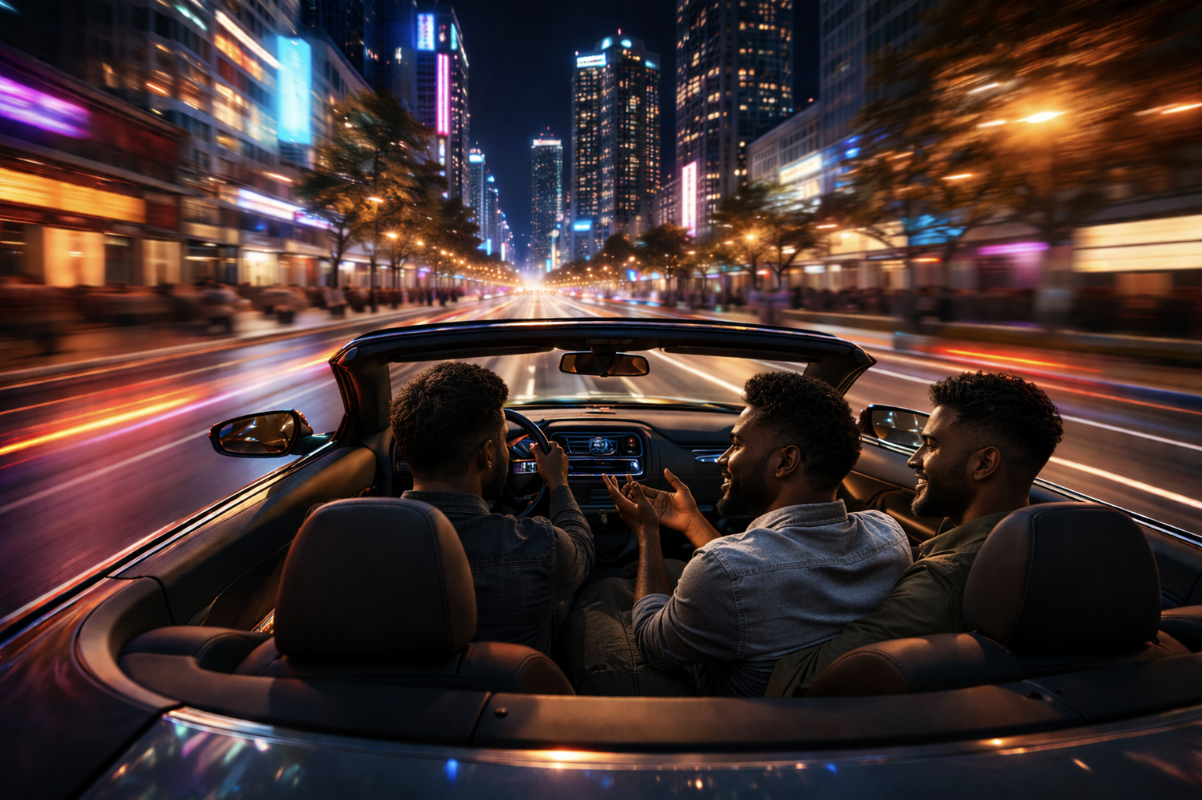
For decades, the definition of automotive luxury was relatively straightforward: premium badges, high price tags, and a clear hierarchy of status. Owning a certain marque signalled success, often more loudly than the car’s actual driving experience. But that definition is shifting—and quickly.
Today’s drivers, particularly younger ones, are placing less emphasis on outward status and more on how a car fits into their lifestyle, identity, and daily experience. Luxury is no longer just something you display; it’s something you feel.
From Ownership to Experience
The traditional markers of prestige—chrome-heavy grilles, flagship saloons, and legacy brand recognition—still carry weight, but they’re no longer the whole story. Increasingly, drivers are asking different questions:
- How does this car integrate with my digital life?
- Does it reflect my personality?
- Is it enjoyable to use every day?
This shift mirrors broader consumer trends. Across industries, people are valuing experiences over possessions. In automotive terms, that means intuitive infotainment systems, seamless connectivity, and thoughtful interior design often matter more than sheer horsepower or badge prestige.
A well-designed cabin, for example, can now feel more luxurious than a traditionally “premium” exterior. Materials, lighting, and ergonomics shape the emotional connection between driver and vehicle—something that status alone cannot replicate.
The Rise of Personal Identity in Motoring
One of the most significant changes in modern car culture is the importance of personal expression. Cars are no longer just modes of transport; they are extensions of identity.
From subtle aesthetic tweaks to more visible customisations, drivers are increasingly curating vehicles that feel uniquely theirs. This includes:
- Interior styling choices
- Exterior colour palettes beyond standard factory options
- Digital interfaces and personalised settings
- Registration plates as identifiers of individuality
Even something as functional as a number plate can carry personal meaning. For drivers investing in this level of customisation, companies like Number 1 Plates have seen growing demand from motorists who want their vehicles to reflect who they are, rather than simply what they can afford.
What’s notable is that this trend cuts across vehicle segments. It’s no longer confined to high-end sports cars or luxury saloons—drivers of electric vehicles, city cars, and family SUVs are all engaging in personalisation.
Digital Influence and the Aesthetic Economy
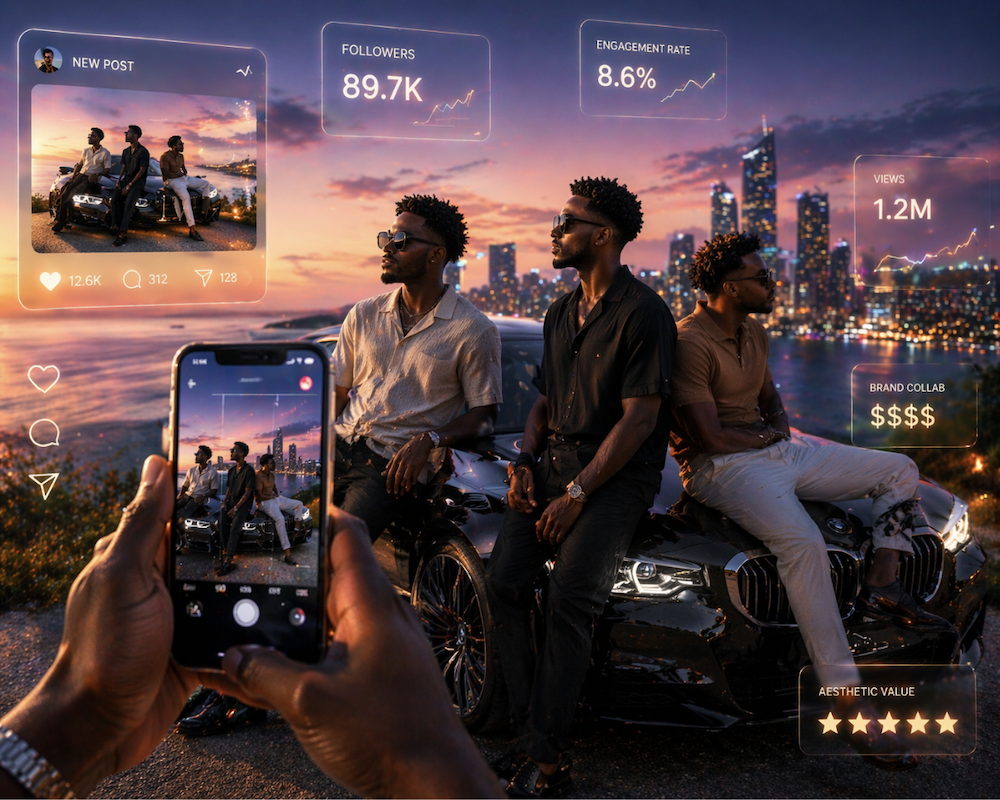
Social media has played a decisive role in reshaping how people perceive cars. Platforms like Instagram, TikTok, and YouTube have created an “aesthetic economy” where visual appeal and storytelling matter as much as performance specs.
Cars are now photographed, filmed, and shared as lifestyle objects. A clean interior, ambient lighting at night, or a distinctive exterior finish can generate more engagement than traditional measures of luxury.
This has led to a new kind of prestige—one rooted in taste rather than cost. A thoughtfully customised vehicle can command more admiration online than a stock high-end model. In that sense, luxury has become more democratic: it’s less about how much you spend and more about how well you curate.
Electric Vehicles and the Redefinition of Premium
The rise of electric vehicles (EVs) has accelerated this shift. Without the traditional cues of engine noise and mechanical complexity, manufacturers have had to rethink what makes a car feel premium.
The result is a focus on:
- Quiet, refined driving experiences
- Minimalist interior design
- Advanced software and user interfaces
- Sustainability as part of the value proposition
For many drivers, the absence of noise and vibration is itself a form of luxury. Combined with cutting-edge technology, EVs offer a different kind of prestige—one tied to innovation and forward-thinking rather than heritage alone.
This aligns closely with changing consumer priorities. Environmental awareness, efficiency, and long-term value are becoming integral to how people define quality.
Convenience as the New Status Symbol
Another major shift is the growing importance of convenience. Features that simplify everyday driving—keyless entry, remote vehicle management, over-the-air updates—are increasingly seen as essential rather than optional.
In many ways, convenience has replaced traditional status markers. A car that saves time, reduces friction, and integrates seamlessly into daily routines can feel more “luxurious” than one that simply looks impressive.
This is particularly relevant in urban environments, where practicality often outweighs prestige. Parking assistance, compact design, and smart navigation systems can be more valuable than a larger engine or a more recognisable badge.
The Psychology Behind the Shift
At its core, this transformation is psychological. Status-driven consumption is giving way to self-expression and personal satisfaction.
There are a few key drivers behind this:
- Authenticity: People want purchases that reflect who they are, not who they think they should be.
- Functionality: Practical benefits are prioritised over symbolic ones.
- Experience: Emotional engagement matters more than external validation.
This doesn’t mean status has disappeared—it has simply evolved. Instead of being defined by brand hierarchy, it’s now shaped by individuality, taste, and the quality of experience.
What This Means for the Automotive Industry
Manufacturers and aftermarket brands alike are adapting to these changes. There’s a growing emphasis on:
- Modular design that supports personalisation
- Software-driven features and updates
- Direct engagement with driver communities
- Flexible ownership and usage models
Brands that understand this shift are positioning themselves not just as car makers, but as experience providers. The vehicle becomes a platform—one that drivers can shape and adapt over time.
Luxury in the automotive world hasn’t disappeared—it has been redefined. Where once it was measured by price and prestige, it is now shaped by experience, identity, and everyday usability.
Today’s drivers are less concerned with impressing others and more focused on creating something that feels right for them. Whether through digital features, thoughtful design, or subtle personalisation, the modern car is becoming a more intimate and expressive space.
In that sense, the real luxury isn’t what a car says about your status; it’s how it fits into your life.
The post Luxury Reimagined: Why Today’s Drivers Care More About Experience Than Status appeared first on The Quintessential Gentleman.