Megan Thee Stallion Denied Cyberstalking Ban Against Blogger After Defamation Trial Victory
The rapper wanted a court order banning Milagro Gramz from attacking her online, but a judge says it would violate the blogger's free speech rights.
 Black News
A federal judge is refusing to grant Megan Thee Stallion a cyberstalking injunction against celebrity gossip blogger Milagro Gramz, ruling that it would unfairly infringe her First Amendment rights.
Megan won $59,000 in damages at a November jury trial in her lawsuit against Gramz, who she had accused of defaming her while serving as a “mouthpiece” for Tory Lanez after the singer was convicted in 2022 of shooting Megan in 2020.
Related


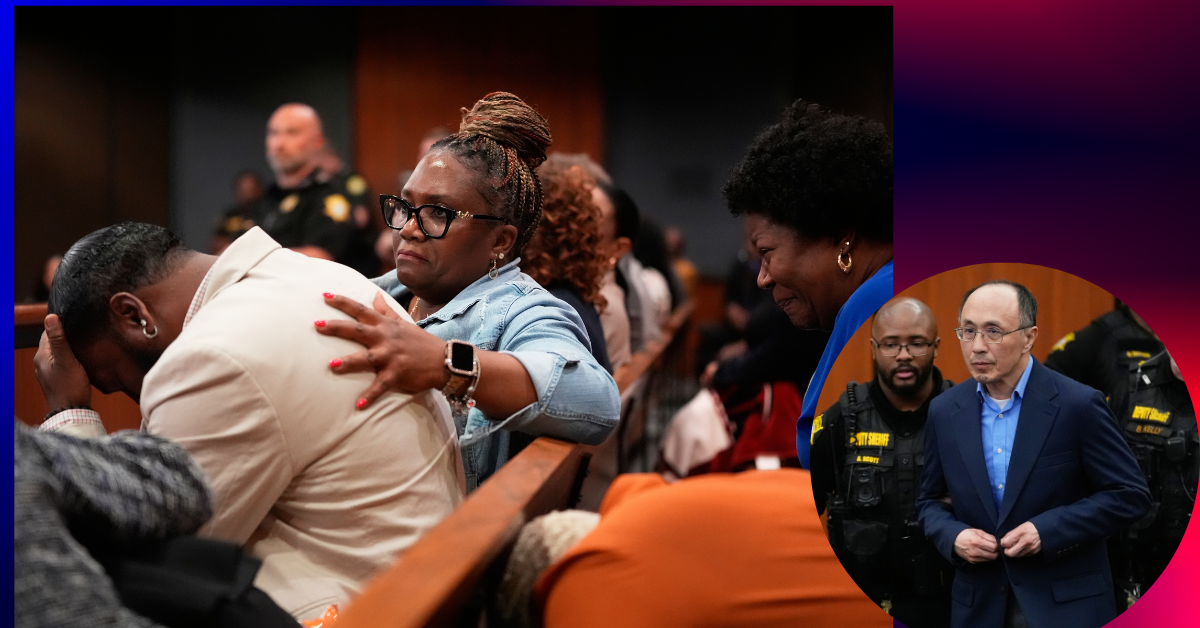
But in a ruling on Monday (April 20) obtained by Billboard, Judge Cecilia M. Altonaga refused to go beyond that verdict and issue a permanent injunction barring Gramz from a wide range of future conduct. The judge said “vulgar” and “insulting” statements were not enough for a court order banning speech.
“As tempting as it might be to force some civility into the matter by staunching defendant’s speech against plaintiff through an injunction, doing so would ignore the protections of the First Amendment,” the judge wrote, quoting from earlier cases. “Plaintiff’s proposed permanent injunction directed at defendant’s future speech is overbroad and a classic example of a prior restraint on speech that triggers First Amendment concerns.”
Reps for Megan did not immediately return a request for comment.
Lanez (Daystar Peterson) was convicted in December 2022 on three felony counts over the 2020 shooting, in which he shot Megan in the foot during an argument following a pool party at Kylie Jenner’s house in the Hollywood Hills. He was sentenced to 10 years in prison in August 2023, and his convictions were upheld on appeal in November.
In a 2024 civil lawsuit, Megan’s attorneys accused Gramz of repeatedly spreading falsehoods about that criminal case, including questioning whether Megan was even shot at all. The lawsuit claimed the blogger made those claims because she was serving as a “puppet” for Lanez as the singer sat behind bars.
Megan herself took the witness stand at a November trial, testifying that Gramz’s posts and the online backlash that followed them had caused her severe mental stress. “There was a time that I genuinely didn’t care if I lived or died,” Megan told the jury.
Jurors eventually sided with Megan, finding that Gramz had defamed her, intentionally inflicted emotional distress and had reposted an illegal pornographic deepfake of the rapper. But they awarded only $75,000 in damages, a figure that was later reduced by the judge to $59,000.
After the trial, Megan sought an injunction that would have forbidden Gramz from making defamatory statements about Megan’s “mental and emotional state,” or from any claims “intended to incite third parties to engage in threats or violence.” Her lawyers argued that Gramz had continued to harass the star online even after the verdict and must be stopped.
But in her ruling on Monday, Judge Altonaga said Gramz’s statements after the trial “does not satisfy the definition of cyberstalking” and that a permanent gag order was not something that would pass muster under the constitution.
“The First Amendment prohibits almost all restraints on future speech,” the judge wrote. “Plaintiff has certainly accused defendant of creating offensive, vulgar, and insulting posts,” but such conduct alone does not justify imposing an overbroad injunction directed at defendant’s future speech.”