Museveni Welcomes Musk’s Starlink To Uganda
By Tom Oniro Elenyu Photos: YouTube Screenshots|Wikimedia Commons Marketed and promoted as fast and affordable Internet available around the world, the SpaceX-engineered Starlink has been licensed to operate in Uganda. The satellite internet service provider’s operations in the East African country were suspended on January 1, 2026. The suspension followed a directive from the regulator— Uganda Communications Commission (UCC)—concerning the provision of satellite internet services without a valid licence. However, that operational suspension now stands reversed by May 15. “Yesterday in Nakasero [State Lodge in the capital, Kampala], I had a productive meeting with Starlink representatives, Ben MacWilliams and Brandi Oliver, brought to me by [Uganda’s Permanent Representative to the UN] Ambassador Adonia [Ayebare] and [US] Ambassador [to Uganda, William] Popp. I appreciate their commitment to providing low-cost internet access in hard-to-reach areas and establishing a presence in Uganda. They are welcome,” Gen Yoweri Museveni said in a May 16 statement posted on X. The licensing of Starlink has been received as a major milestone for Uganda’s digital transformation. Access to high-speed internet connects education, digital trade, financial inclusion, remote work, logistics, innovation ecosystems, diaspora connectivity and Small-Medium Enterprise growth in an economy; including Uganda’s. Starlink, meanwhile, is obliged to ensure compliance with national laws. In a statement, the US Mission in Uganda thanked Museveni saying that Starlink is a world-class company that provides low-cost internet in hard-to-reach places around the world, and their interest [in] Uganda will be a game-changer in health care, education and business. Museveni said he witnessed the signing of the Memorandum of Understanding and operational licence agreement between the UCC and Starlink; marking an important step towards the commencement of their operations in Uganda. “Our interest is security, revenue assurance and proper accountability within the telecommunications sector so that we know who is operating and who the customers are. I am pleased that Starlink has agreed to comply with Uganda’s laws and regulatory requirements as it prepares to begin service delivery in the country. I wish them good luck,” said Museveni on May 16. Communications regulator—UCC—welcomed the conclusion of discussions between the Government of Uganda and Starlink which paves the way for the company’s entry into Uganda’s communications sector. “Congratulations on Starlink’s arrival in Uganda to connect Ugandans all over the country to internet access for the first time with cutting-edge American satellite technology! “This milestone reflects Uganda’s continued commitment to innovation, investment, digital inclusion and improved access to connectivity services across the country, especially for hard-to-reach and underserved communities. UCC remains committed to ensuring that all operators comply with Uganda’s legal and regulatory framework while fostering a competitive, secure and consumer-focused communications environment,” the regulator’s statement reads. “Starlink technology will boost connectivity in undeserved rural areas and to support digital transformation, aiming for better security, revenue assurance and licensing compliance,” a one Peter Kanduho said on X. The January suspension of “unauthorized starlink use” was also linked to the general elections concerns. Starlink is expected to boost Uganda’s 50% internet penetration as well as create jobs and spur competition from Internet providers like South African-owned MTN and Indian Bharti Airtel. The world’s richest man Elon Musk’s Starlink was chased from Namibia. The South-West African country’s Communications Regulatory Authority of Namibia—in March—did not give reasons for denying Starlink a licence; except reasoning that Starlink’s Namibian subsidiary did not have local ownership. South Africa, too, —ironically Musk’s country of birth—blocked Starlink operations. Musk would later claim the operational licence denial in the formerly apartheid South Africa was linked to his being white; an accusation the Rainbow nation categorically dismissed. Musk is now a US citizen. Namibian laws dictate that any telecommunications company operating in the country must give up to 51% of its shares to Namibians or citizen entities.
 Black News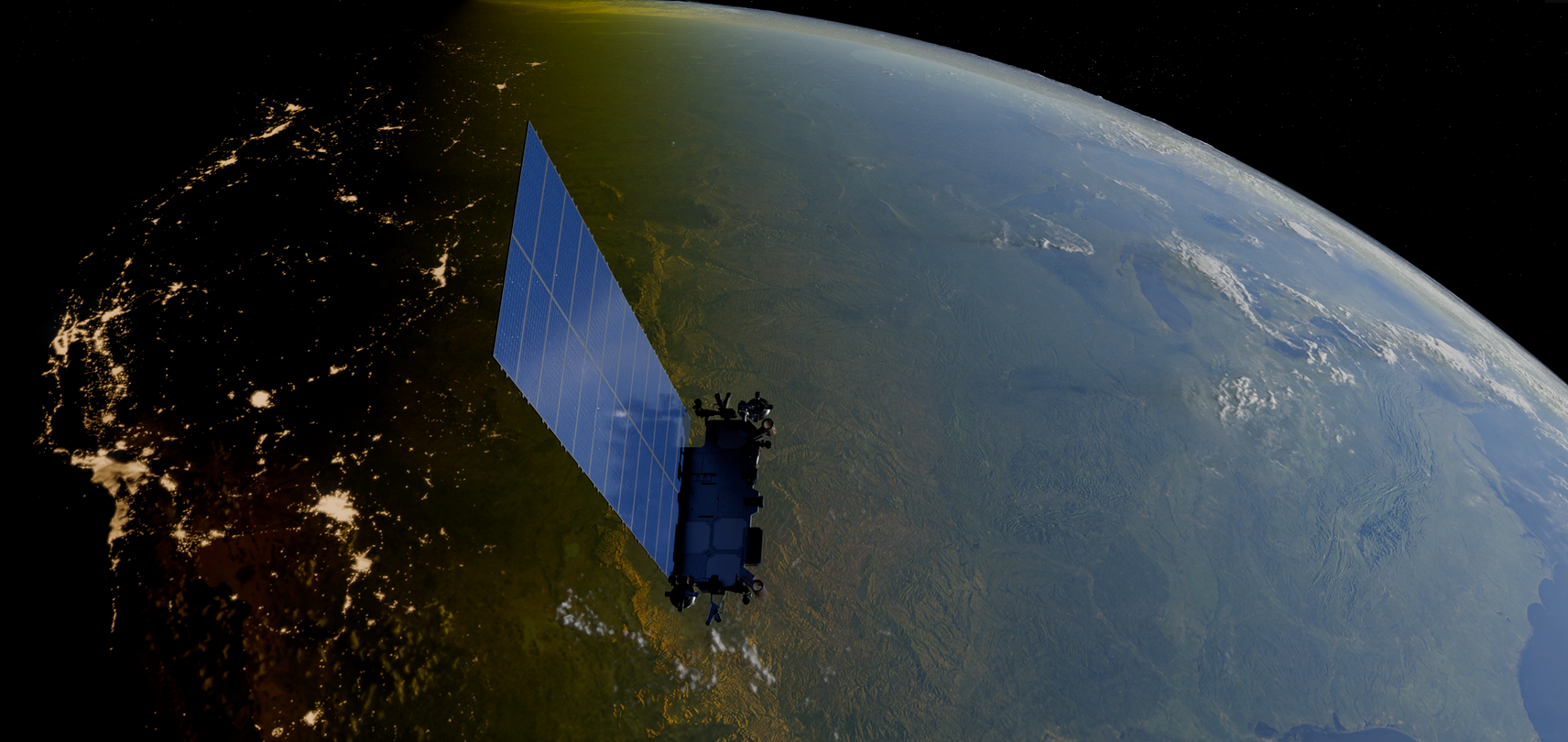
By Tom Oniro Elenyu
Photos: YouTube Screenshots|Wikimedia Commons
Marketed and promoted as fast and affordable Internet available around the world, the SpaceX-engineered Starlink has been licensed to operate in Uganda. The satellite internet service provider’s operations in the East African country were suspended on January 1, 2026.

The suspension followed a directive from the regulator— Uganda Communications Commission (UCC)—concerning the provision of satellite internet services without a valid licence. However, that operational suspension now stands reversed by May 15.
“Yesterday in Nakasero [State Lodge in the capital, Kampala], I had a productive meeting with Starlink representatives, Ben MacWilliams and Brandi Oliver, brought to me by [Uganda’s Permanent Representative to the UN] Ambassador Adonia [Ayebare] and [US] Ambassador [to Uganda, William] Popp. I appreciate their commitment to providing low-cost internet access in hard-to-reach areas and establishing a presence in Uganda. They are welcome,” Gen Yoweri Museveni said in a May 16 statement posted on X.
The licensing of Starlink has been received as a major milestone for Uganda’s digital transformation. Access to high-speed internet connects education, digital trade, financial inclusion, remote work, logistics, innovation ecosystems, diaspora connectivity and Small-Medium Enterprise growth in an economy; including Uganda’s.
Starlink, meanwhile, is obliged to ensure compliance with national laws.
In a statement, the US Mission in Uganda thanked Museveni saying that Starlink is a world-class company that provides low-cost internet in hard-to-reach places around the world, and their interest [in] Uganda will be a game-changer in health care, education and business.
Museveni said he witnessed the signing of the Memorandum of Understanding and operational licence agreement between the UCC and Starlink; marking an important step towards the commencement of their operations in Uganda. “Our interest is security, revenue assurance and proper accountability within the telecommunications sector so that we know who is operating and who the customers are. I am pleased that Starlink has agreed to comply with Uganda’s laws and regulatory requirements as it prepares to begin service delivery in the country. I wish them good luck,” said Museveni on May 16.
Communications regulator—UCC—welcomed the conclusion of discussions between the Government of Uganda and Starlink which paves the way for the company’s entry into Uganda’s communications sector. “Congratulations on Starlink’s arrival in Uganda to connect Ugandans all over the country to internet access for the first time with cutting-edge American satellite technology!
“This milestone reflects Uganda’s continued commitment to innovation, investment, digital inclusion and improved access to connectivity services across the country, especially for hard-to-reach and underserved communities. UCC remains committed to ensuring that all operators comply with Uganda’s legal and regulatory framework while fostering a competitive, secure and consumer-focused communications environment,” the regulator’s statement reads.
“Starlink technology will boost connectivity in undeserved rural areas and to support digital transformation, aiming for better security, revenue assurance and licensing compliance,” a one Peter Kanduho said on X.
The January suspension of “unauthorized starlink use” was also linked to the general elections concerns. Starlink is expected to boost Uganda’s 50% internet penetration as well as create jobs and spur competition from Internet providers like South African-owned MTN and Indian Bharti Airtel.
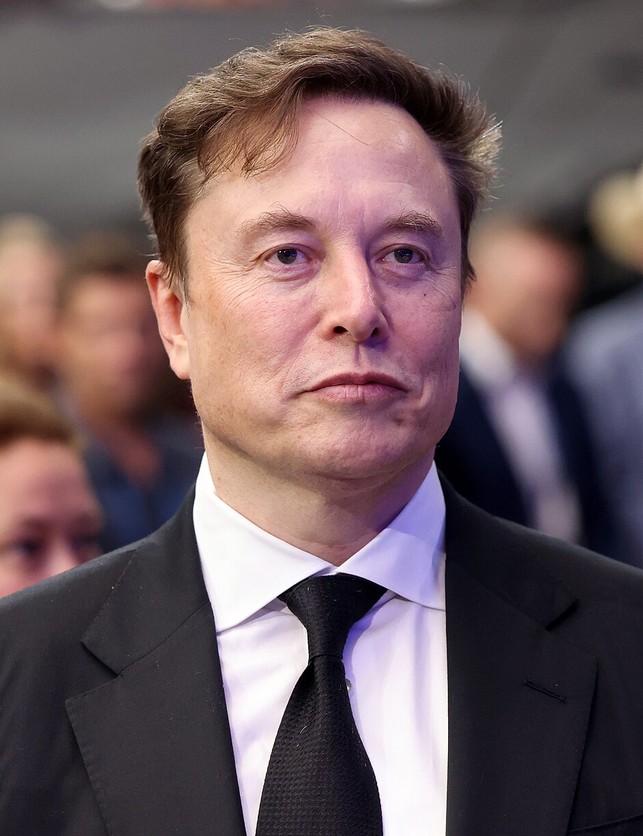
The world’s richest man Elon Musk’s Starlink was chased from Namibia. The South-West African country’s Communications Regulatory Authority of Namibia—in March—did not give reasons for denying Starlink a licence; except reasoning that Starlink’s Namibian subsidiary did not have local ownership.
South Africa, too, —ironically Musk’s country of birth—blocked Starlink operations. Musk would later claim the operational licence denial in the formerly apartheid South Africa was linked to his being white; an accusation the Rainbow nation categorically dismissed. Musk is now a US citizen.
Namibian laws dictate that any telecommunications company operating in the country must give up to 51% of its shares to Namibians or citizen entities.