When the Chelsea Hotel was New York’s countercultural epicentre
Closed doors, open minds — Albert Scopin’s new photobook collects photographs that were once thought to be lost, documenting the city’s creative scene that gathered during the building’s 1969 to 1971 heyday.
 Black News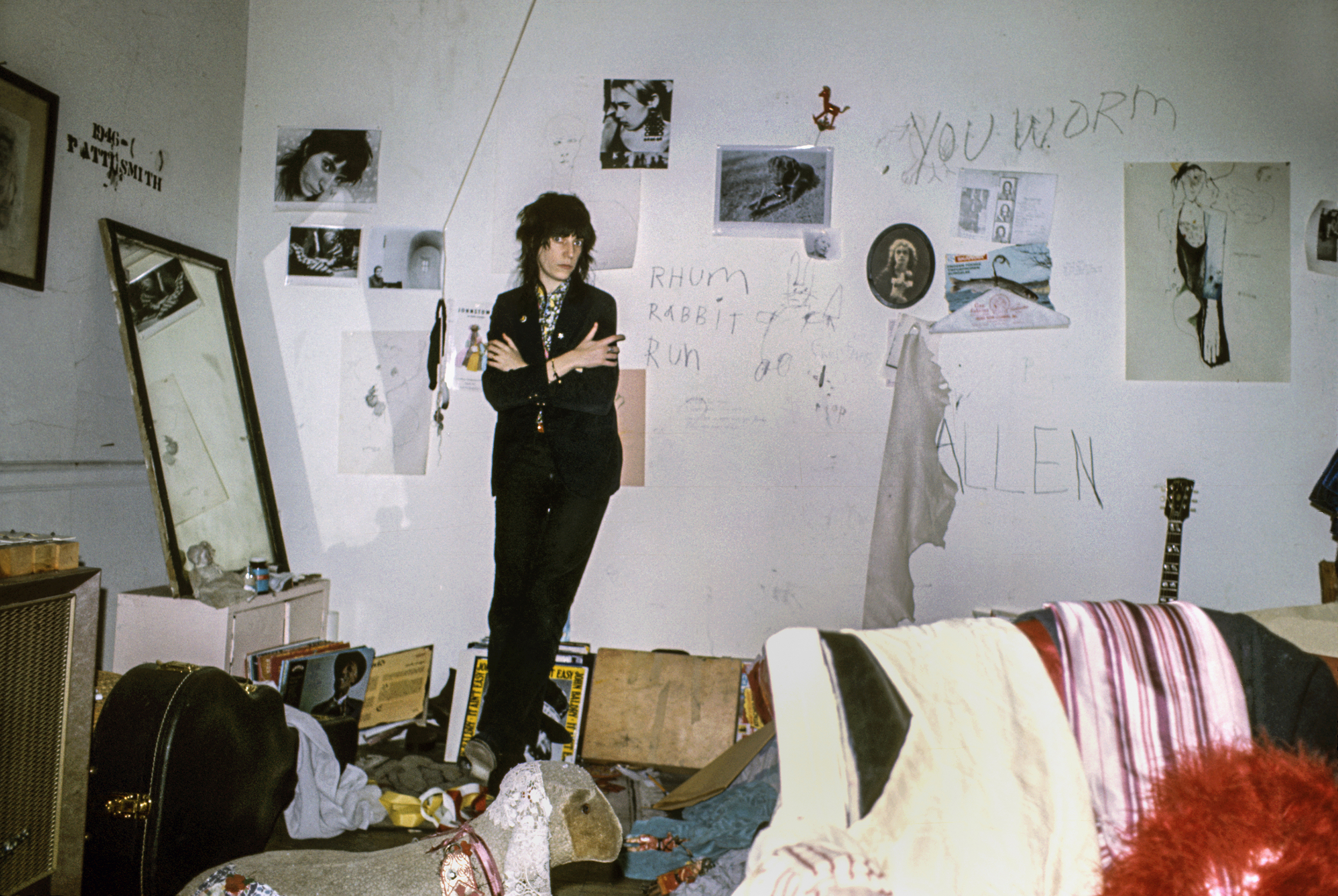
Closed doors, open minds — Albert Scopin’s new photobook collects photographs that were once thought to be lost, documenting the city’s creative scene that gathered during the building’s 1969 to 1971 heyday.
In 2016, photographer Albert Scopin learned that his long lost negatives made at New York’s fabled Chelsea Hotel had resurfaced. After disappearing from the ZEITmagazin archives during the ’70s, he received an email from at Galerie Ahlers in Göttingen, confirming that they had been found. “When I saw the pictures again, everything came back to me totally clear: the whole situation, what I felt at the time, even the smell of the rooms, and how the person interacted with me,” Scopin says. “It was incredibly alive.”
Like a time capsule unsealed after half a century, Scopin: Chelsea Hotel (Kerber Verlag) is an intimate remembrance of New York’s countercultural epicentre between 1969 and 1971. The book weaves together Scopin’s environmental portraits and captivating tales of visionaries, which include Warhol Superstars Candy Darling, Jackie Curtis, and Holly Woodlawn, as well as filmmakers Jonas Mekas, Milos Forman, and Wim Wenders amid a motley crew of artists, bohemians, and vagabonds who found refuge at the Chelsea Hotel.
- Read next: Cinematic scenes of 1970s New York
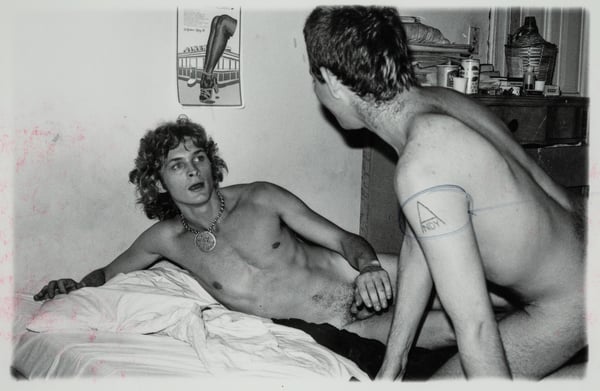
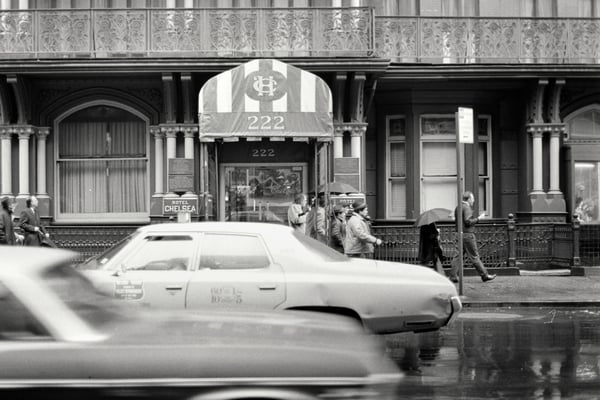
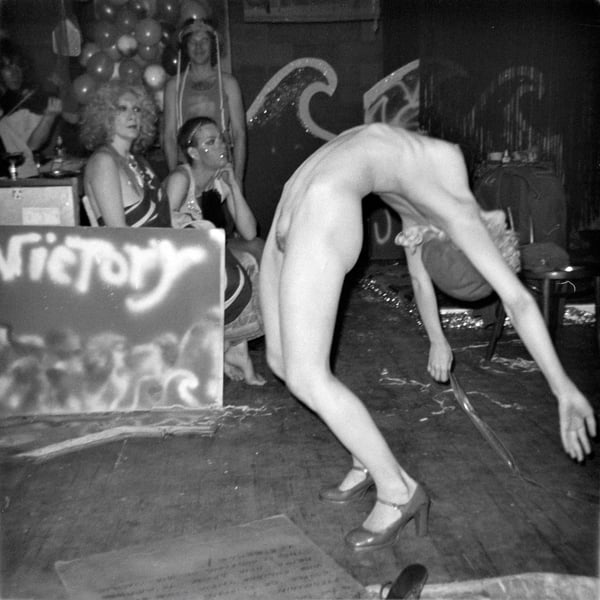
Since it first opened in 1884, the Chelsea has embodied the ethos of New York life as one of the city’s first residential cooperatives, where despite its shabby edges, quickly acquired a glittering constellation of luminaries secreted away behind closed doors. Here Jack Kerouac wrote On the Road and William S. Burroughs penned Naked Lunch; Andy Warhol filmed Chelsea Girls; while others including the infamous “27 Club” members Janis Joplin, Jimi Hendrix, and Jim Morrison finding refuge there doors when they came to town.
The photographer remembers arriving at the Chelsea as though it was yesterday. “At that time, it was a big dark building, and you entered amazed that the lobby wasn’t that great. I thought it would be bigger,” he says of the understated front room. “In the halls, it was all doors closed, and you think, where are the people? It takes time to get close, and then afterwards it’s like a Christmas advent calendar – one door opens after another. Everyone had a surrounding for themselves; it was very easy and alive.”
Scopin, who worked as an assistant to fashion photographer Bill King, spent his personal time among the fascinating cast of characters who called the Chelsea home. “In a certain way it was a family,” he says. “They wanted to live there. They felt free and natural. Most of them were artists and were all very ambitious. After a while I had to photograph them myself. At the time I was still anxious about the camera, so I painted it yellow like a toy. It made a big difference for me.”
By 1969, the rock stars had cleared out, paving a path for emerging stars Patti Smith and Robert Mapplethorpe to hold centre court. Mapplethorpe, then an artist, had not even taken up photography yet, but from Scopin’s photographs and stories it is clear he was always destined for stardom. “I was naturally fascinated by them,” Scopin says. “They were totally unknown and on the way to finding themselves, but the energy was already there and you knew something was going to happen.”
Scopin: Chelsea Hotel is published by Kerber Verlag.
Miss Rosen is a freelance arts and photography writer, follow her on X.
Buy your copy of Huck 83 here.
Enjoyed this article? Follow Huck on Instagram for more from the cutting edge of sport, music and counterculture.
Support stories like this by becoming a member of Club Huck.