Nigeria joins Ghana in diplomatic protest against South Africa over xenophobia
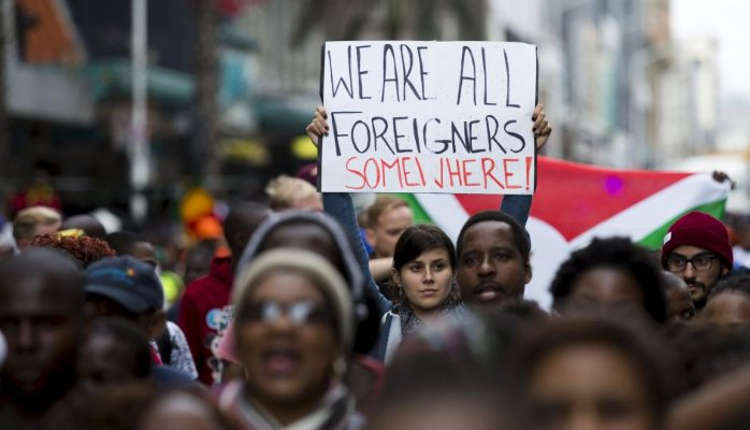
A fresh wave of anti-immigration protests in South Africa has escalated into a diplomatic row, with Nigeria joining Ghana in formally protesting attacks on their citizens.
 Black News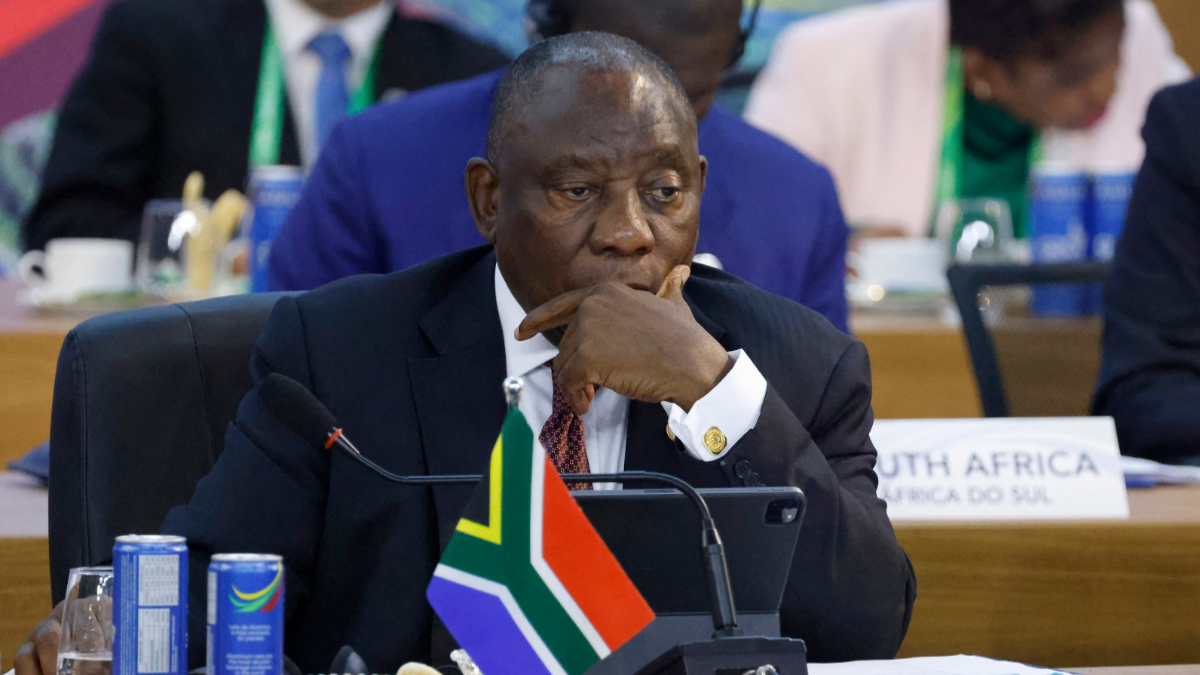
![Nigeria joins Ghana in diplomatic protest against South Africa over xenophobia [Chris McGrath/Getty Images]](https://ocdn.eu/pulscms/MDA_/13b5ec6c50c43c8d1e97b5d974dec40e.jpg)
A fresh wave of anti-immigration protests in South Africa has escalated into a diplomatic row, with Nigeria joining Ghana in formally protesting attacks on their citizens.
- Recent anti-immigration protests in South Africa have led to violence against African migrants, resulting in at least two Nigerian deaths.
- Nigeria and Ghana have both formally protested to South Africa, demanding protection for their citizens and thorough investigations into the attacks.
- Nigerian authorities have called for urgent intervention, transparency, and full access for victims’ families, while Ghana has warned of possible retaliatory measures.
- South African officials reaffirmed bilateral ties with Nigeria and pledged cooperation on migration issues.
The unrest, which has reportedly led to the deaths of two Nigerians, has triggered swift diplomatic action aimed at pressing Pretoria to rein in xenophobic violence.
Nigeria’s Minister of Foreign Affairs, Bianca Odumegwu-Ojukwu, summoned South Africa’s acting High Commissioner, expressing strong concern over the safety of Nigerians and other African migrants. She called for urgent intervention to halt the attacks and ensure accountability.
Providing further details, Ministry of Foreign Affairs spokesperson Kimiebi Ebienfa said Permanent Secretary Dunoma Ahmed met with South Africa’s Acting High Commissioner to Nigeria, Lesoli Machele, to formally convey Abuja’s concerns.
Nigeria is demanding a thorough and impartial investigation into the incidents and has called on South African authorities to release autopsy reports, case files, and other relevant documents to the Nigerian High Commission in Pretoria and the Consulate in Johannesburg. Abuja is also seeking full access for the victims’ families and complete transparency throughout the process.
Ghana had taken a similar step days earlier. Its Minister for Foreign Affairs and Regional Integration, Samuel Okudzeto Ablakwa, summoned South African representatives following reports that Ghanaian nationals were being harassed and their businesses looted.
He warned that continued inaction could embolden vigilante groups and risk retaliatory measures against South African businesses in Accra.
As Africa’s two largest economies, tensions between Nigeria and South Africa carry broader implications for trade and regional stability.
Social media platforms, including X, have been flooded with unverified videos showing protests and attacks targeting African migrants across several communities.
South Africa responds
Amid the rising tensions, South Africa’s Minister of International Relations and Cooperation, Ronald Lamola, said he had spoken with his Nigerian counterpart, Bianca Odumegwu-Ojukwu.
Both sides reaffirmed longstanding bilateral ties and agreed to deepen cooperation, including strengthening people-to-people relations and jointly addressing irregular migration through sustainable solutions.
The protesters have blamed African immigrants for social and economic challenges, citing allegations of illegal activities and undocumented residency.
Reports indicate that migrants have been denied access to healthcare, businesses have been forced to shut down, and children have been turned away from schools.
President Cyril Ramaphosa has condemned the violence but also stressed the need for proper documentation among immigrants—remarks that have sparked backlash online, with critics arguing they risk legitimising attacks against migrants regardless of legal status.
Whether the diplomatic engagements will yield concrete action remains uncertain, but the coordinated response by Nigeria and Ghana signals growing pressure on South Africa to address recurring xenophobic tensions.
Victor Awogbemila