Nigerian Fashion Weeks and the Global Luxury Industry????????
How Nigerian Designers Are Influencing Global Fashion Trends (2026 Perspective) Nigeria’s Rising Fashion Powerhouse Over the past decade, Nigeria has moved from being a regional fashion hub to a globally recognised force shaping contemporary luxury fashion. By 2026, Nigerian Fashion Weeks—particularly Lagos Fashion Week—have become key entry points for African designers into the global luxury […]
 Black News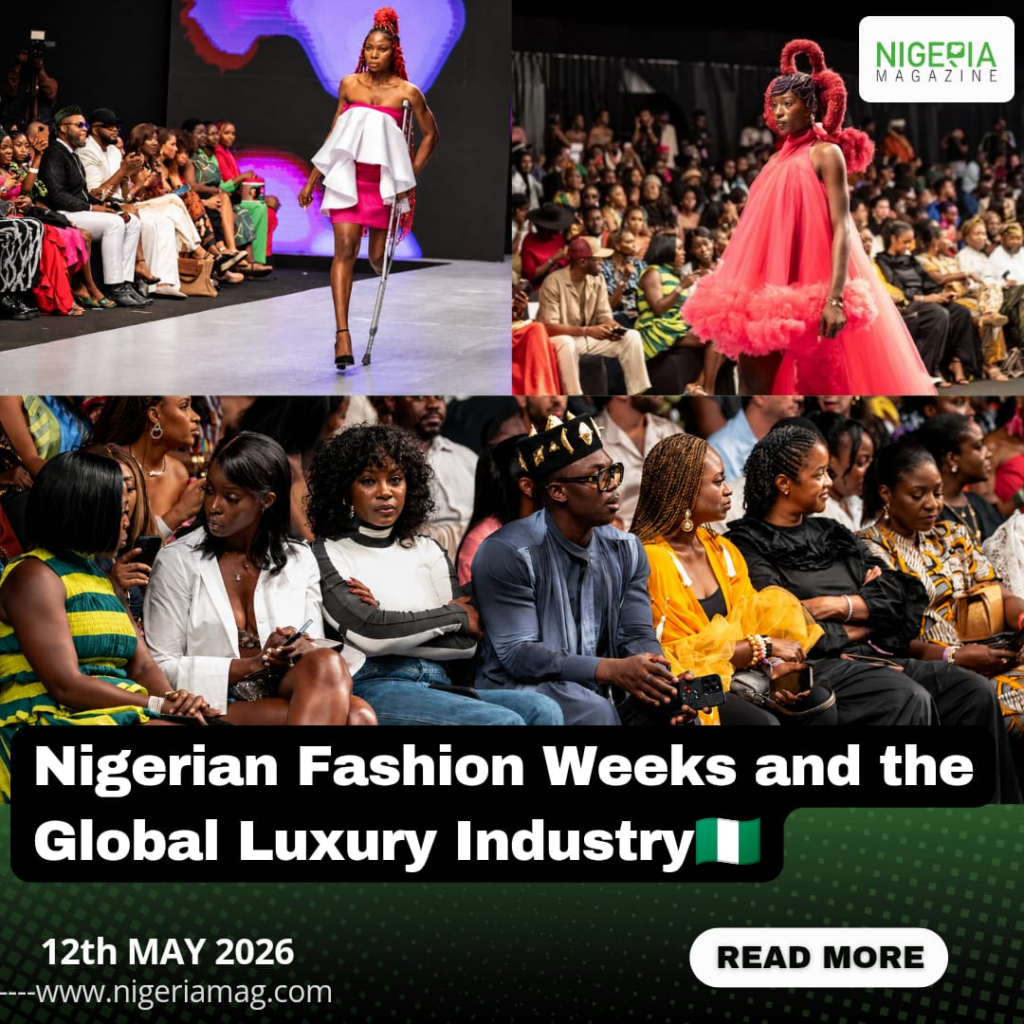
How Nigerian Designers Are Influencing Global Fashion Trends (2026 Perspective)
Nigeria’s Rising Fashion Powerhouse
Over the past decade, Nigeria has moved from being a regional fashion hub to a globally recognised force shaping contemporary luxury fashion. By 2026, Nigerian Fashion Weeks—particularly Lagos Fashion Week—have become key entry points for African designers into the global luxury industry. What was once seen as “emerging fashion” is now firmly influencing global aesthetics, textiles, sustainability conversations, and luxury branding strategies.
Today, Nigerian designers are no longer adapting to global trends—they are actively defining them.
Nigerian Fashion Weeks as Global Gateways
Lagos Fashion Week and Its International Influence
At the centre of Nigeria’s fashion ecosystem is Lagos Fashion Week, which has evolved into one of Africa’s most influential fashion platforms. It serves as both a creative runway and a commercial bridge between African designers and global buyers, press, and luxury houses.
Unlike many traditional fashion weeks, Lagos Fashion Week is deeply rooted in sustainability, craftsmanship, and storytelling. It has become a scouting ground for international buyers from Paris, Milan, London, and New York who are increasingly looking to Africa for originality and cultural depth.
By 2026, participation from global luxury retailers and digital fashion platforms has expanded significantly, making Lagos Fashion Week a critical node in the global fashion calendar.
Nigerian Designers Reshaping Global Luxury Aesthetics
Textile Innovation and Cultural Identity
One of the most significant contributions of Nigerian designers is the reinvention of traditional textiles for modern luxury fashion. Fabrics like Aso Oke, Adire, and hand-dyed cotton are being reimagined into contemporary silhouettes that appeal to global luxury consumers.
Designers such as Lisa Folawiyo have been instrumental in transforming Ankara fabric into embellished, high-fashion pieces that regularly appear on international red carpets and in global fashion editorials.
Her work demonstrates how African textiles can sit comfortably within luxury fashion while maintaining cultural authenticity.
Gender Fluidity and Contemporary African Identity
Another influential voice is Adebayo Oke-Lawal, founder of the brand Orange Culture. His work challenges traditional gender norms through fluid silhouettes, bold prints, and emotionally expressive tailoring.
This approach has resonated strongly with global luxury markets increasingly focused on inclusivity and identity-driven fashion narratives.
Orange Culture’s presence in international stockists and fashion showcases reflects how Nigerian designers are shaping conversations around gender and cultural expression in luxury fashion.
Avant-Garde Craftsmanship on the Global Stage
Kenneth Ize has also emerged as a key figure in global luxury fashion. Known for revitalising handwoven textiles and collaborating with European luxury houses, his work bridges traditional Nigerian weaving techniques with avant-garde tailoring.
His collections have appeared on international runways and in collaboration with global fashion icons, reinforcing the idea that African craftsmanship is not peripheral but central to the future of luxury design.
The Nigerian Influence on Global Fashion Trends
Rise of Handcrafted Luxury
Global luxury brands are increasingly emphasising artisanal craftsmanship, a trend long embedded in Nigerian fashion.
Handwoven fabrics, beadwork, and dyeing techniques from Nigeria are now influencing European and American luxury collections.
What was once considered “ethnic craft” is now positioned as high-value artisanal luxury.
Color, Texture, and Bold Expression
Nigerian fashion is known for its fearless use of color and texture. This aesthetic has influenced global runway trends where muted palettes are increasingly replaced with vibrant, expressive designs.
Luxury brands are now incorporating more saturated tones, layered textures, and cultural motifs inspired by African fashion sensibilities.
Sustainability Through Tradition
Long before sustainability became a global fashion imperative, Nigerian designers were already practicing slow fashion through hand production, local sourcing, and fabric recycling.
Today, global luxury houses are adopting similar models; emphasising reduced waste, artisanal production, and traceability; principles long embedded in Nigerian fashion systems.
Nigerian Fashion and the Luxury Industry Connection
Increasing Collaboration with Global Houses
Luxury fashion houses are increasingly collaborating with Nigerian designers and African textile artisans. These collaborations are not limited to capsule collections but extend to creative direction, textile sourcing, and cultural consulting.
This shift reflects a broader recognition that African designers are not just participants but intellectual contributors to global fashion innovation.
Fashion Media and Global Visibility
International fashion media has also played a major role in amplifying Nigerian fashion. Editorial features, global fashion awards, and runway coverage have helped reposition Nigerian designers from “emerging talent” to global trendsetters.
As a result, Nigerian fashion is now regularly featured in luxury fashion weeks in Paris, Milan, and London—not as a guest influence, but as a central creative voice.
Challenges and Structural Gaps
Despite its global rise, Nigeria’s fashion industry still faces challenges that limit its full potential:
Limited industrial-scale textile production
High cost of local manufacturing infrastructure
Logistics and export constraints
Limited access to global fashion financing systems
These structural barriers mean many designers still rely on international partnerships to scale their brands globally.
However, ongoing investments in African fashion infrastructure and digital commerce platforms are beginning to address these gaps.
The Future: Nigeria as a Luxury Fashion Origin Market
By 2026, Nigeria is no longer simply influencing global fashion; it is becoming an origin market for luxury ideas, textiles, and design philosophy.
The future of Nigerian fashion lies in three key directions:
Expansion of African Luxury Brands
More Nigerian designers are expected to transition into full-scale luxury houses competing directly with European and American brands.
Digital Fashion and Global E-Commerce
With increased adoption of digital fashion platforms, Nigerian designers are gaining direct access to global consumers without traditional retail gatekeepers.
Cultural Export as Economic Strategy
Fashion is increasingly being recognized as a cultural export industry, with Nigerian aesthetics shaping music, film, and global pop culture alongside luxury fashion.
Redefining Global Luxury Through Nigerian Creativity
Nigerian Fashion Weeks, particularly Lagos Fashion Week, have become powerful engines of cultural and commercial influence. Through designers like Lisa Folawiyo, Kenneth Ize, and Adebayo Oke-Lawal, Nigeria is actively reshaping how global luxury fashion defines craftsmanship, identity, and innovation.
In 2026, the global luxury industry is no longer simply looking at Nigeria for inspiration; it is increasingly depending on it for direction. Nigerian fashion is not just influencing global trends; it is becoming one of the foundations upon which the future of luxury is being built.