ONE OF ONE: LEAD HER BY THE BEAT
Three Women, One Continent - A New System In Motion
 Black News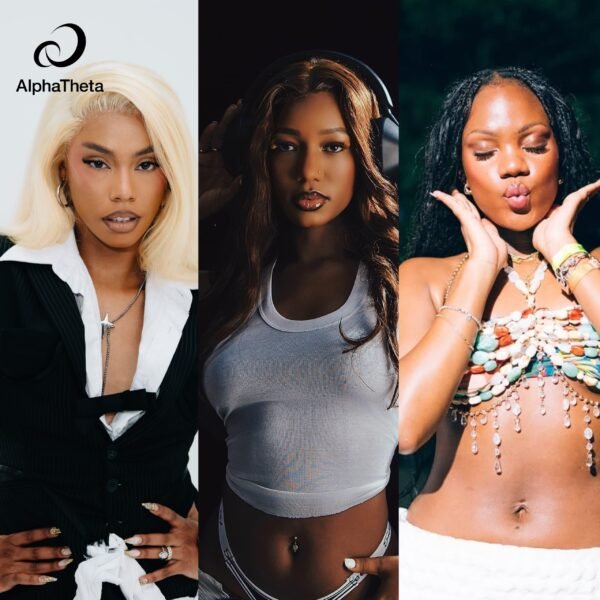
There’s a shift happening across Africa’s DJ culture, and it’s no longer subtle.
For years, the conversation around women in music centred on inclusion: getting more women onto lineups, into studios, behind decks. But today, that framing feels incomplete.
Because the real story is no longer about access.
It’s about agency.
Through AlphaTheta’s Equal Beats initiative, “One of One: Lead Her By the Beat” moves the conversation forward, spotlighting not just women who are present in the culture, but women who are actively reshaping how it works.
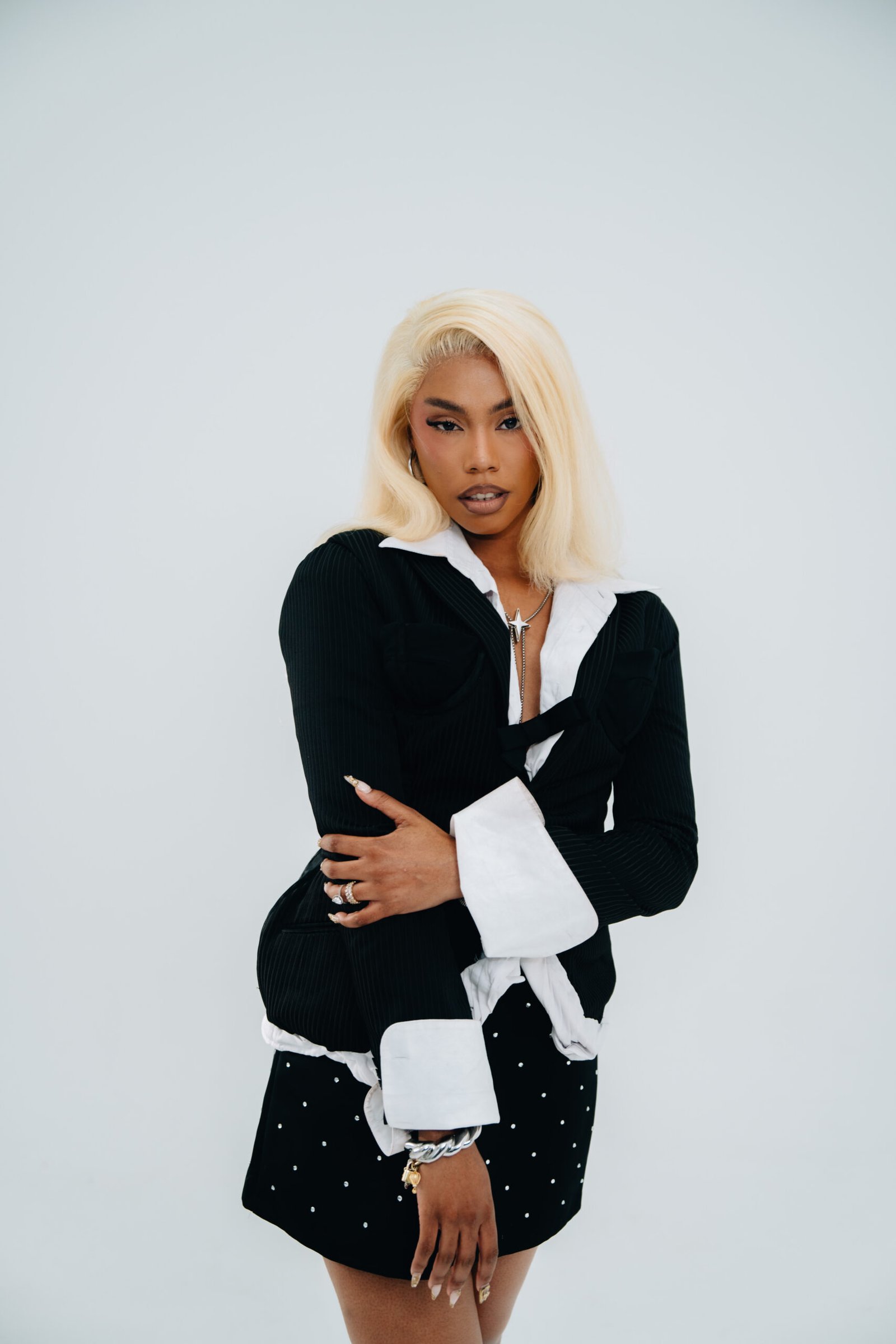
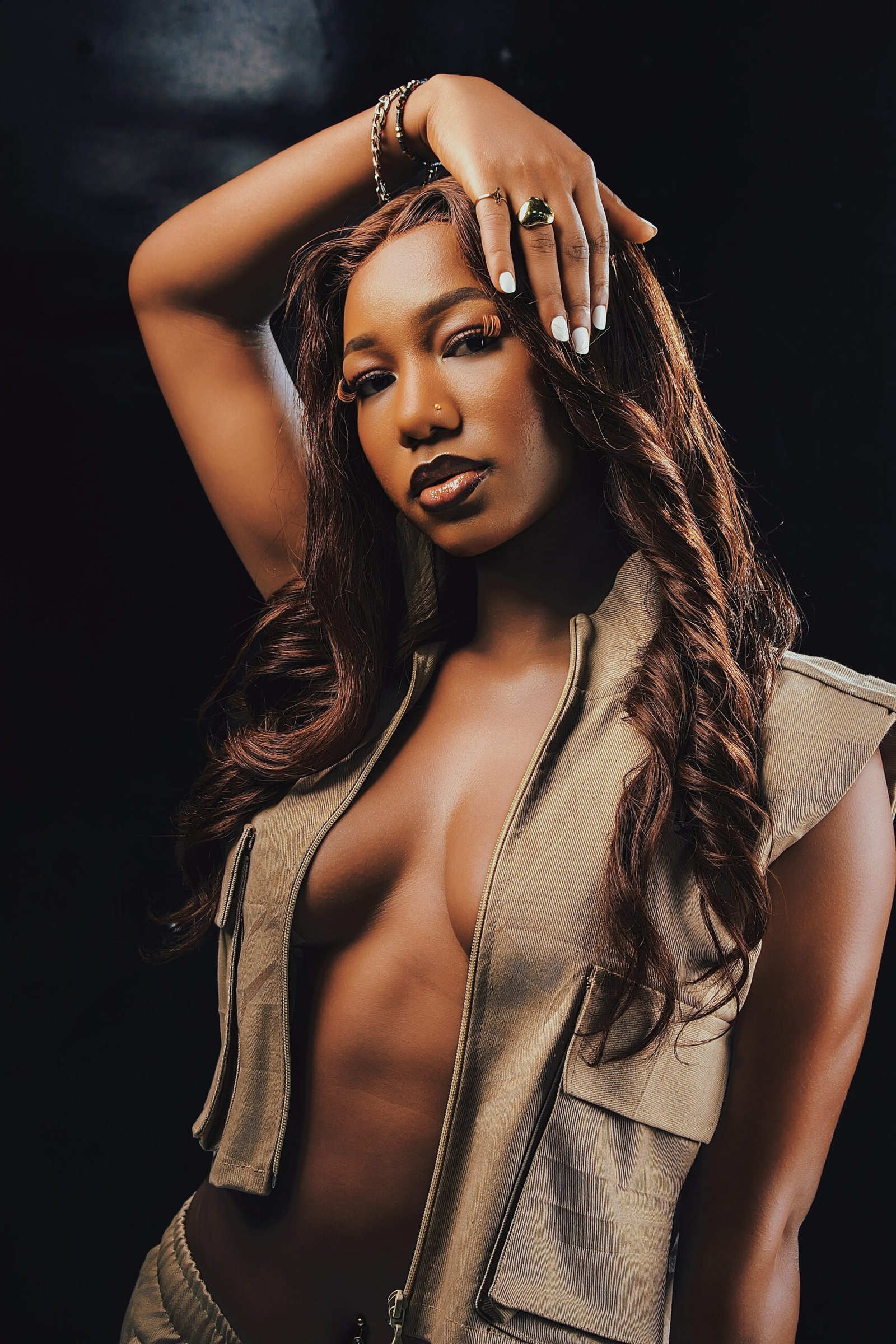
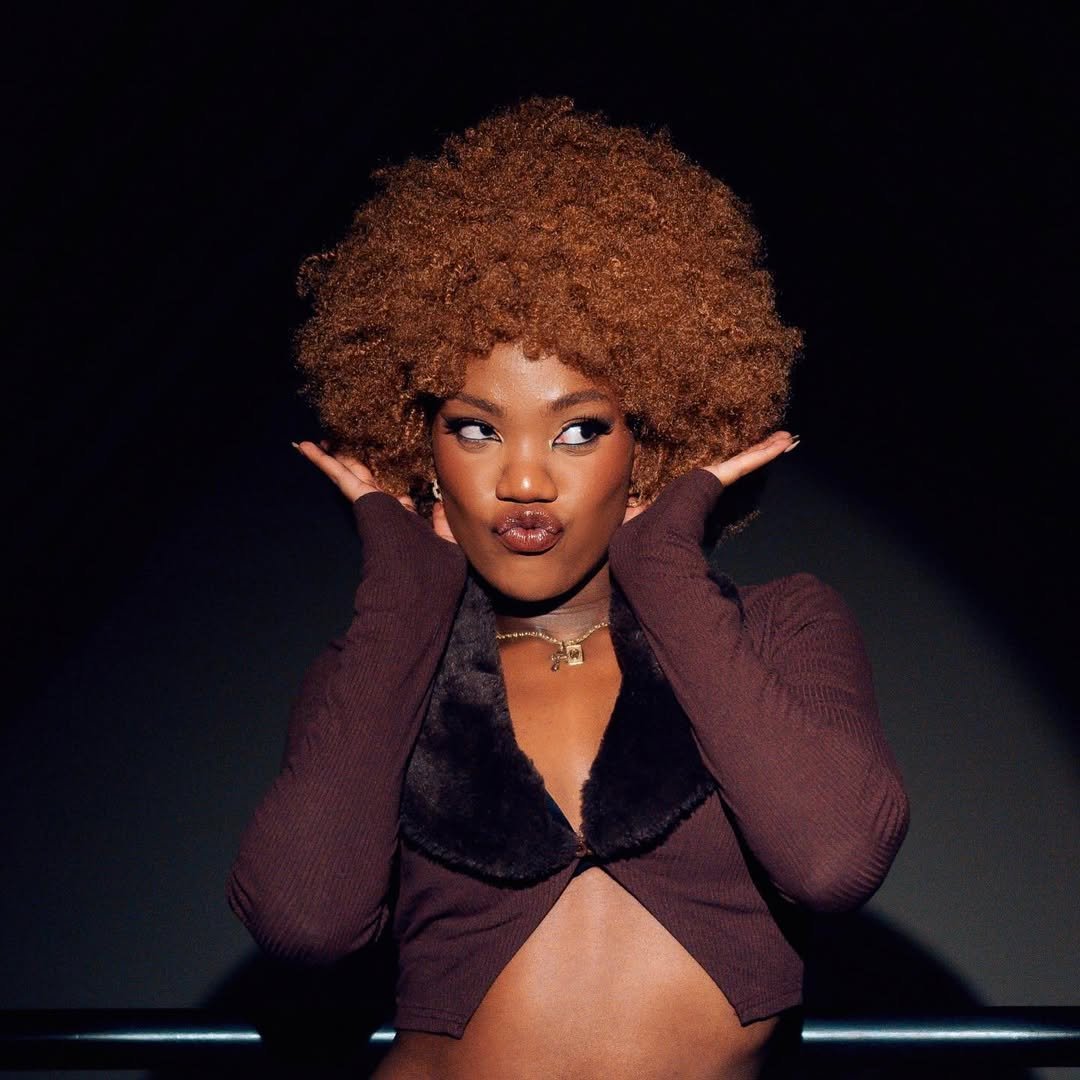
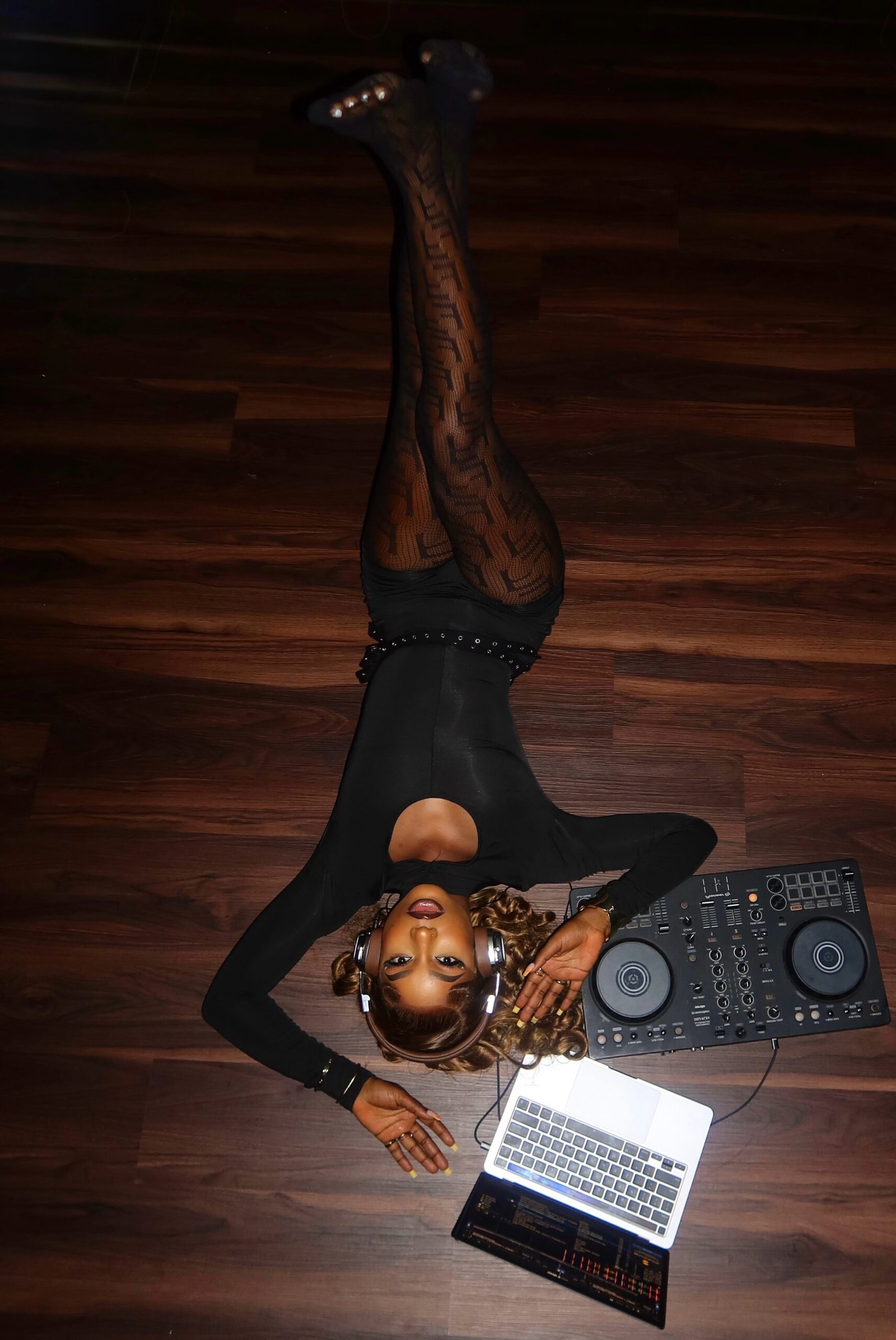
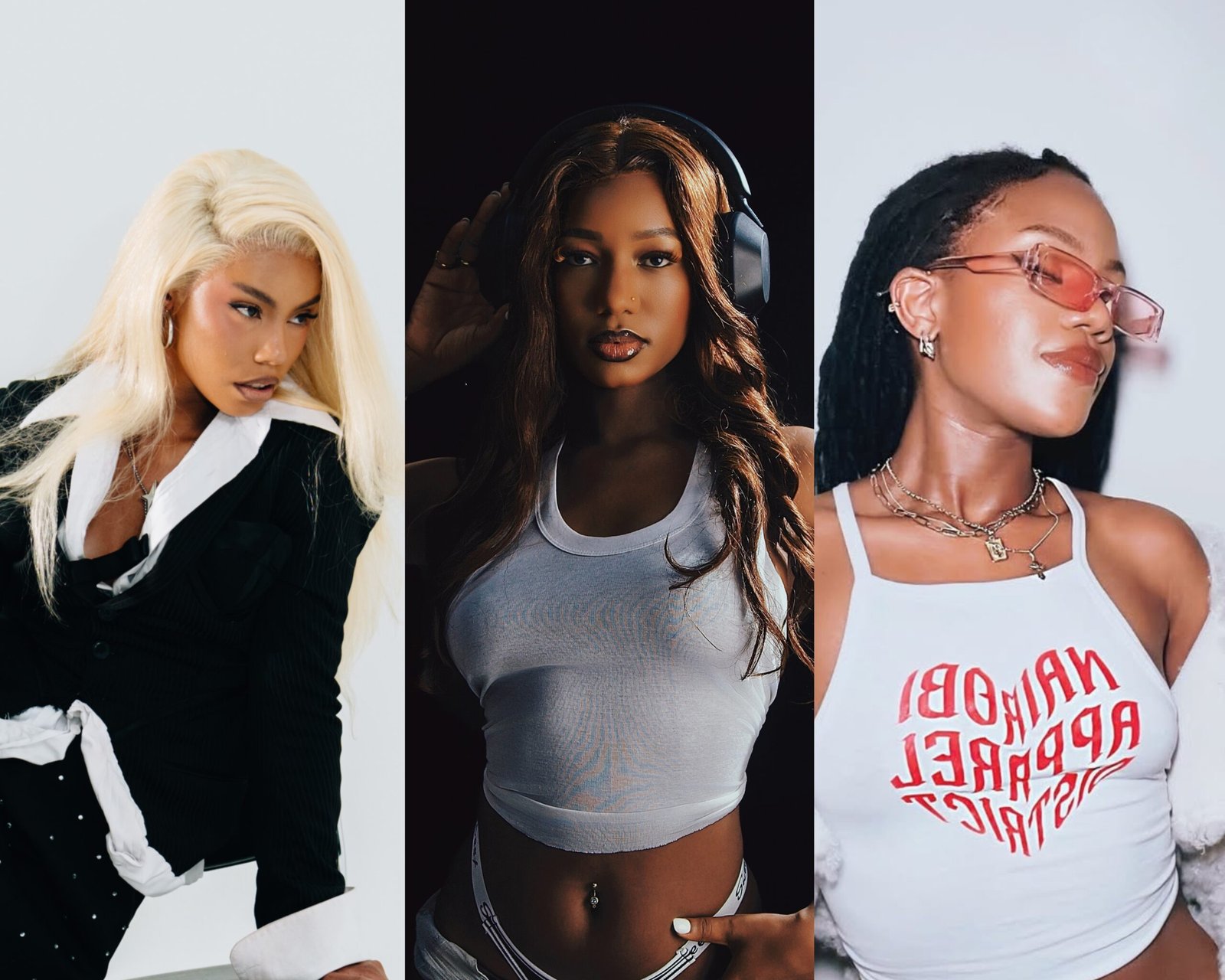
Across Southern, West, and East Africa, Chelsea Sloan-Samuels, Michelle Abesin, and DJ Kaneda represent three distinct approaches to the same mission:
Building a more open, more representative, and more sustainable future for African DJ culture.

SOUTH AFRICA: CREATING SPACE WHERE THERE WAS NONE
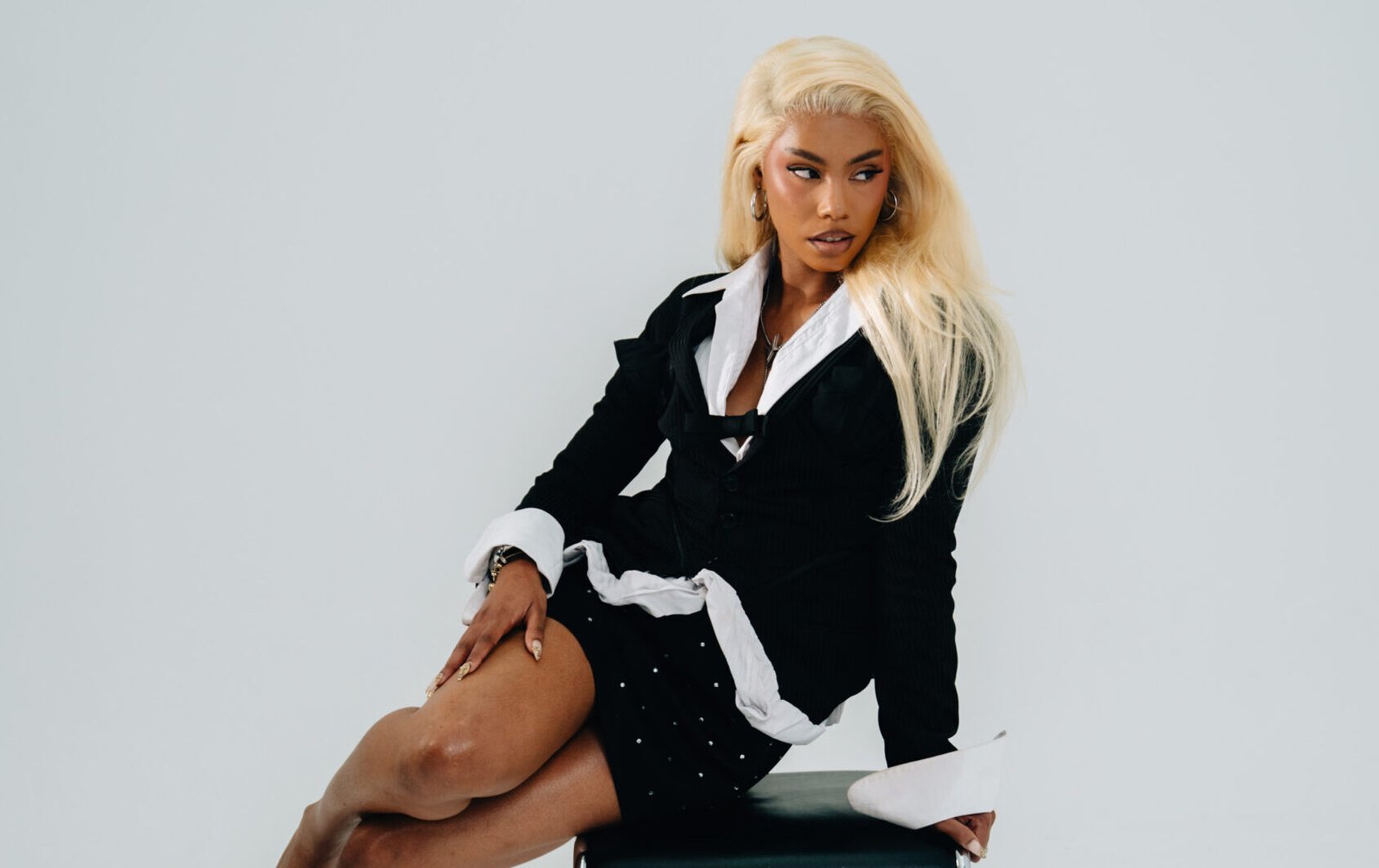
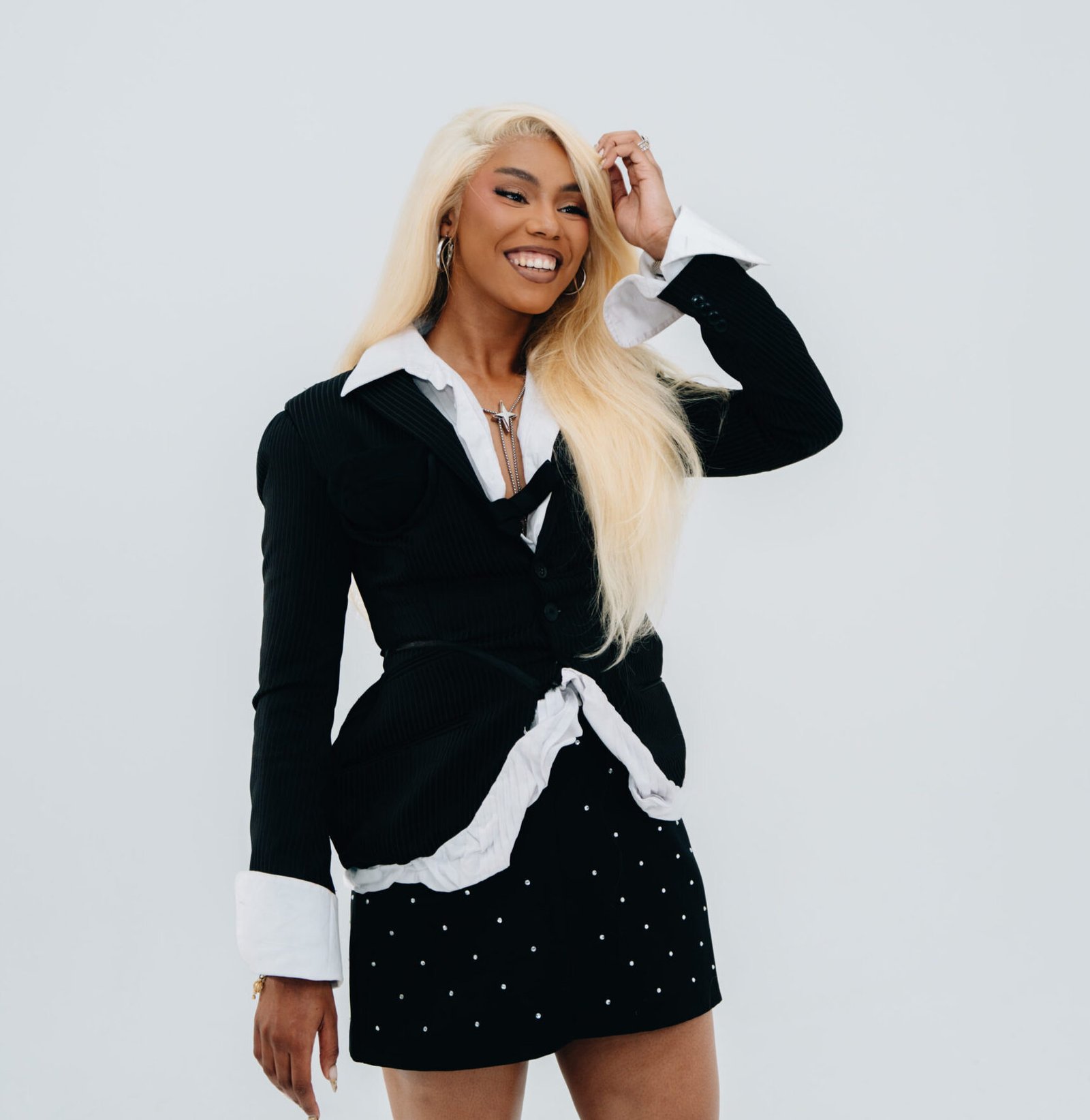
For Chelsea Sloan, empowerment begins with visibility, but doesn’t end there.
“Lead Her By The Beat is about women pushing boundaries… and creating space where there wasn’t space before,” she says.
Her perspective speaks directly to one of the industry’s core challenges: women have always been present, but rarely positioned as architects of the space itself.
That is changing.
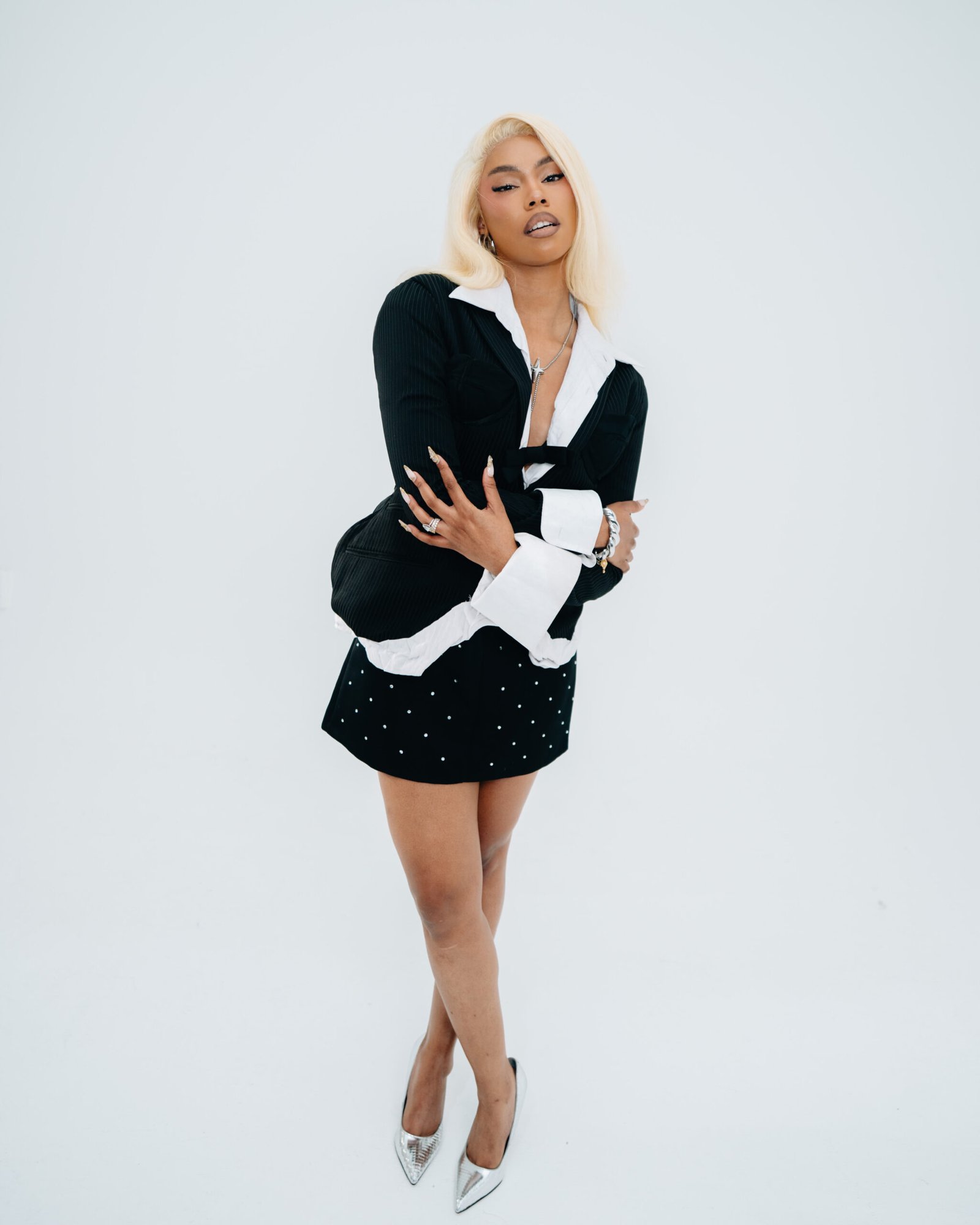
Sloan sees a new wave of female DJs stepping forward with intention, not just to participate, but to expand what is possible.
And for her, that expansion is deeply personal.
“Everything is dependent on you… post that video, ask the question, take the opportunity.”
It’s advice rooted in experience, but also in awareness.
Because while structural initiatives like Equal Beats are critical in opening doors, the next step requires confidence from those stepping through them.
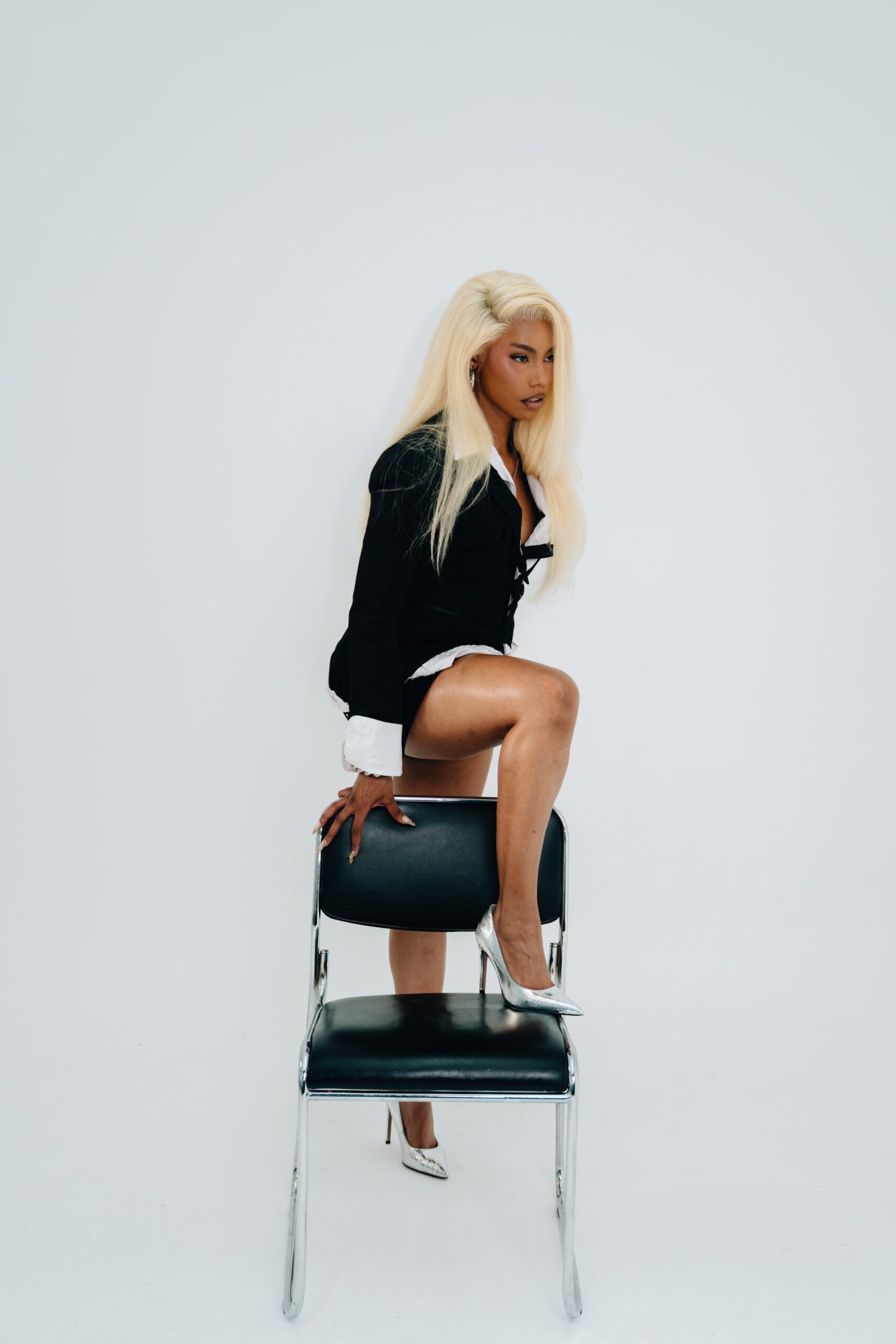
More importantly, Sloan is reframing versatility, often seen as a weakness in the industry, as a strength.
“I want women to understand that being versatile is not a problem.”
That statement challenges a long-standing industry norm that pushes DJs, especially women, to define themselves narrowly in order to be marketable.
Instead, she advocates for creative freedom as a form of empowerment.
WEST AFRICA: FROM PRESENCE TO INFLUENCE
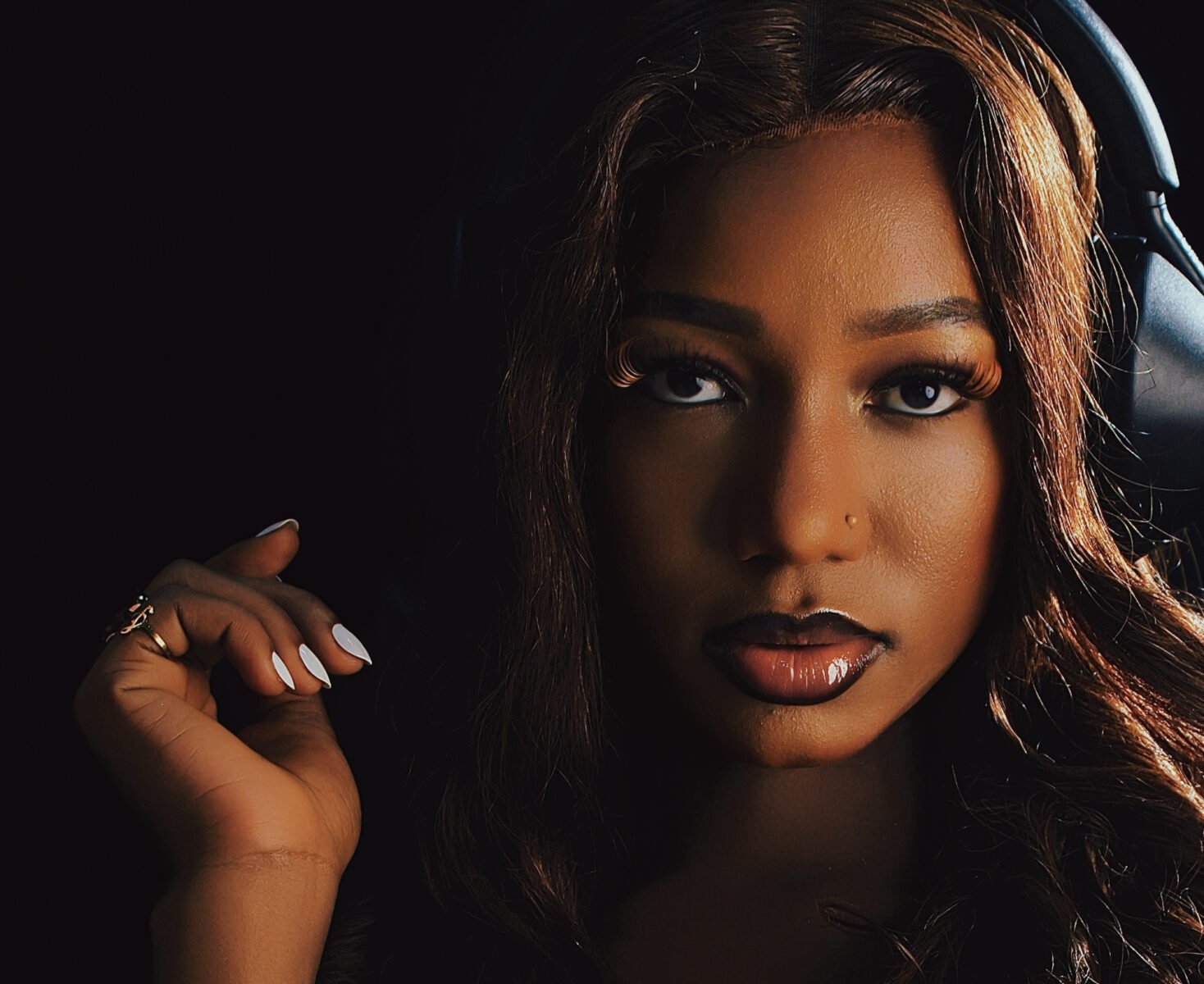
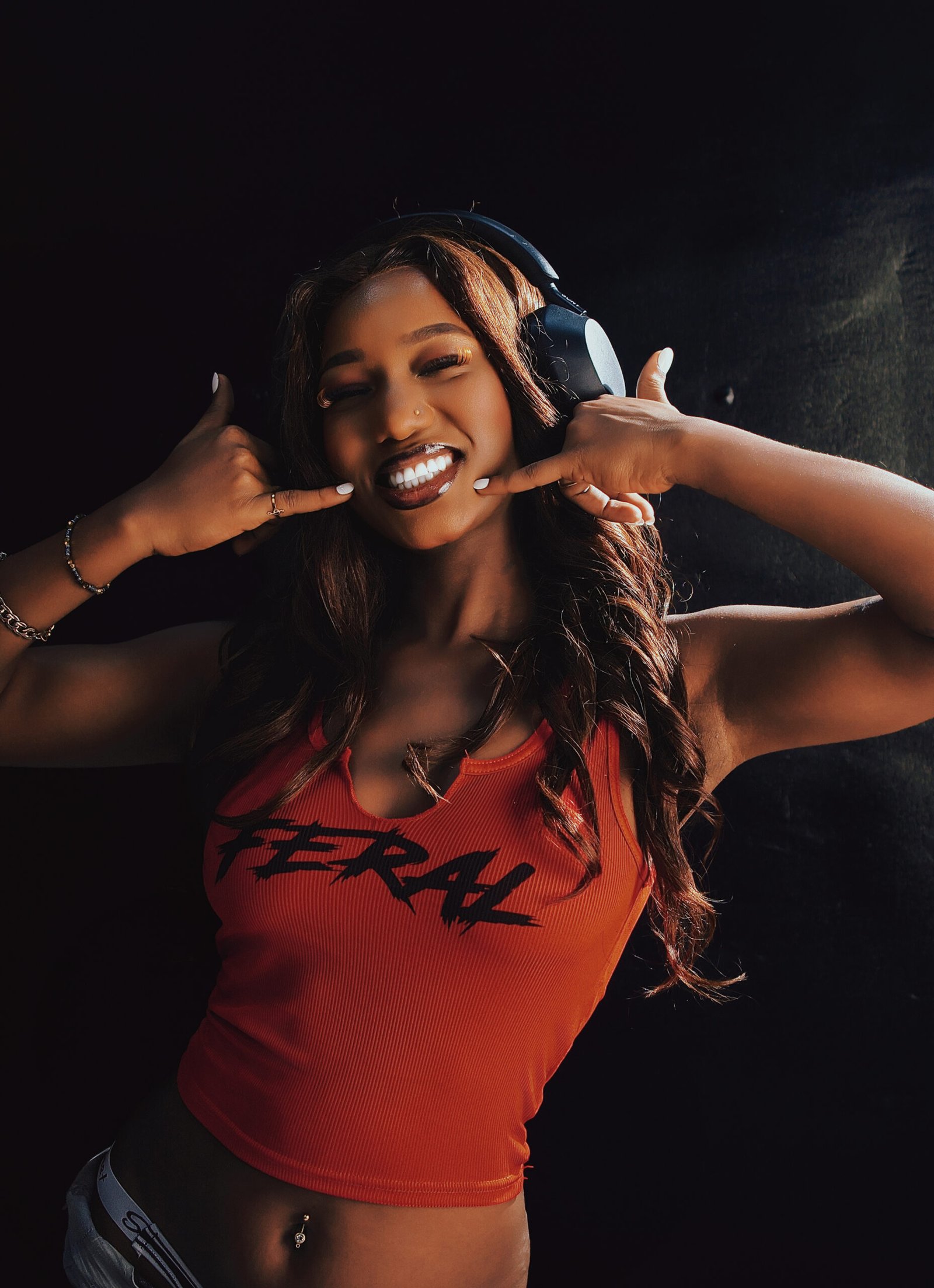
For Michelle Abesin, empowerment is about what happens after you enter the room.
“Being celebrated… makes me feel seen,” she says. “It motivates me to keep working harder.”
But her journey reveals something deeper than recognition, it highlights the importance of ownership within the system.
Starting at 19, she quickly understood that being one of the few women in the space came with added expectations.
“You have to live up to it. You’re a leader.”
That leadership now plays out in how she shapes culture, not just through performance, but through curation.
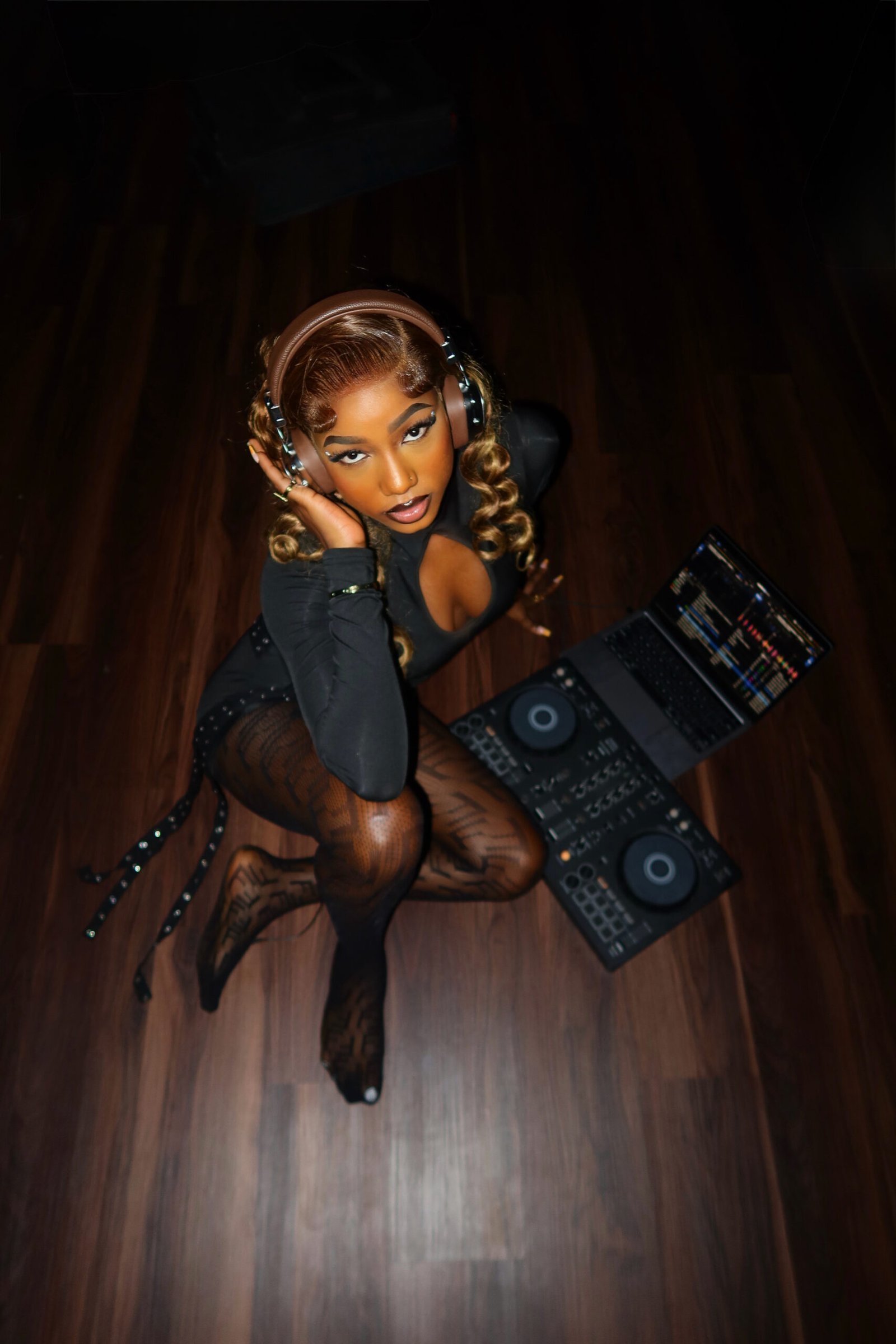
“I take it upon myself to promote songs that deserve to be seen,” she explains.
This is where her role becomes transformative. Because DJs are not just performers, they are gatekeepers of sound.
They decide what audiences hear, what artists gain traction, and what becomes part of the cultural moment.
Michelle uses that power intentionally, to expand the narrative of African music.
“We’re not just Afrobeats… we have different genres, different sounds. Don’t box us.”
In doing so, she’s not only building her career, she’s actively challenging global perceptions of African music.
EAST AFRICA: COMMUNITY AS INFRASTRUCTURE
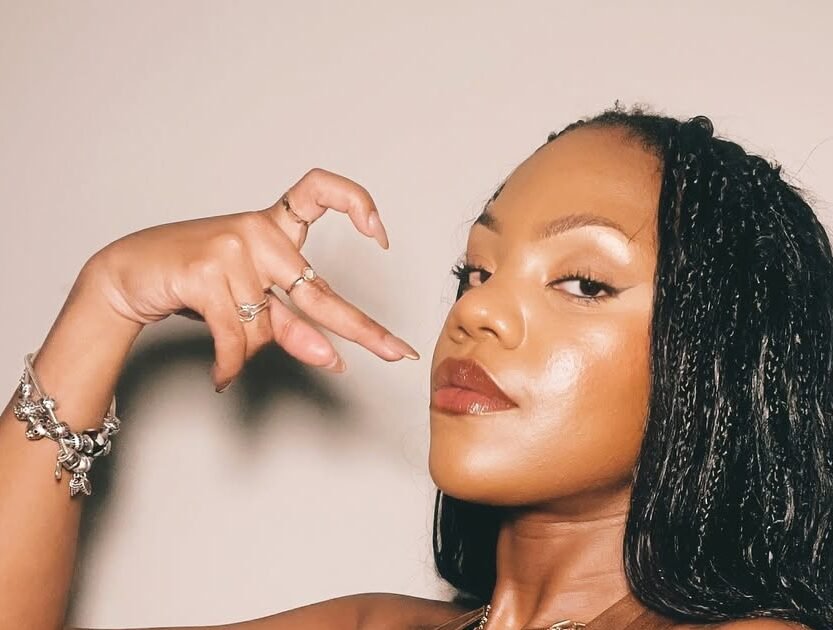
For DJ Kaneda, the conversation around empowerment is rooted in something often overlooked:
Community.
“It’s her time to shine,” she says, reflecting on what Lead Her By The Beat means to her, a simple statement that captures a larger shift in momentum for women across the industry.
But her journey also highlights the structural barriers that still exist.
“As a woman, you have to work a lot harder… to get the respect you deserve,” sheexplains.
That reality is not unique, but what stands out is how she has responded to it.
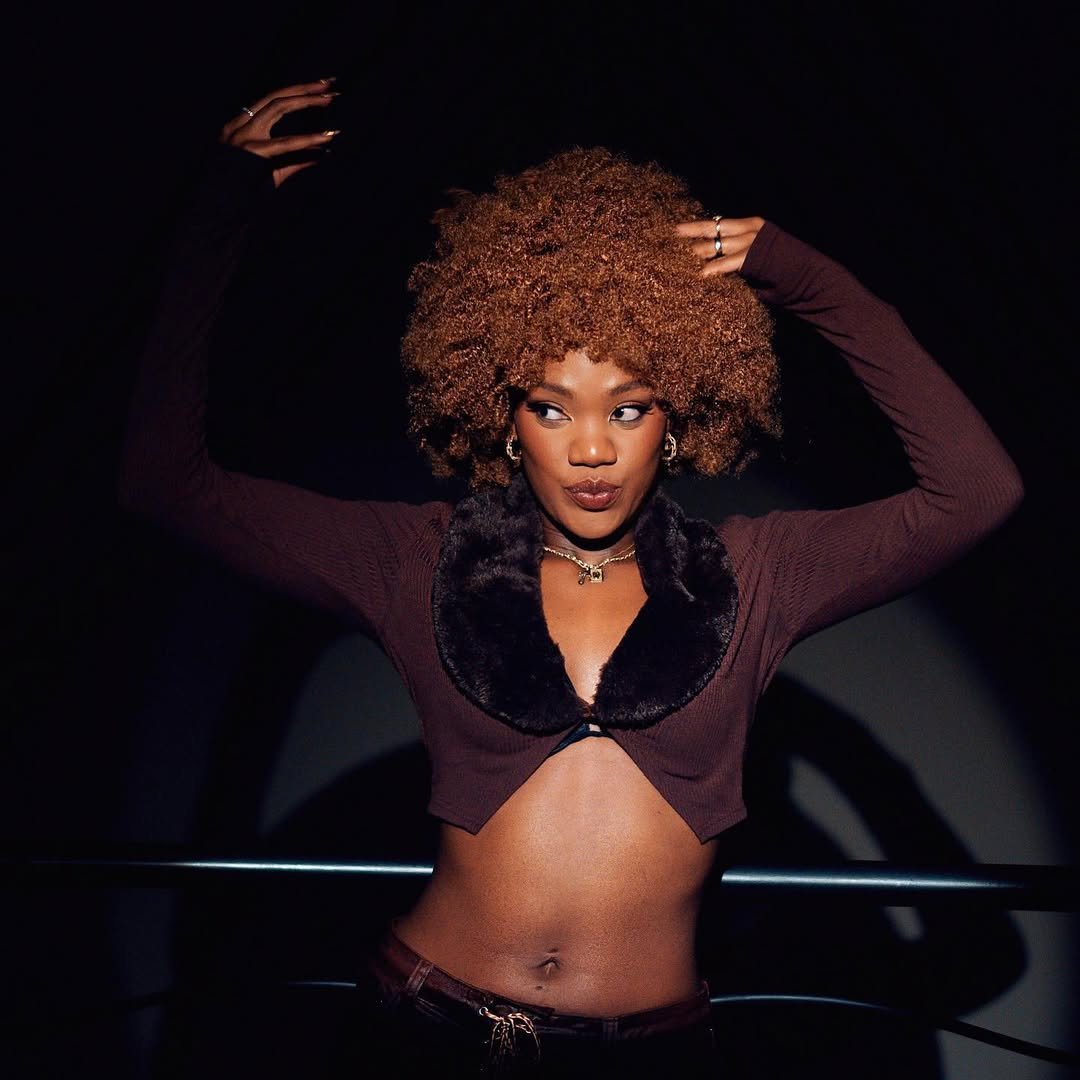
Rather than navigating the industry alone, Kaneda has leaned into, and helped build support systems for other women.
“We’ve tried to build a community where women hold each other’s hands through the industry,” she says.
This idea of collective progression is critical. Because one of the biggest gaps in DJ culture has not just been representation, but retention. Women enter the space, but without support systems, many struggle to sustain long-term careers.
Kaneda’s approach directly addresses that gap.
And it extends beyond community into advocacy for structural support.
“Having platforms like Equal Beats… gives women encouragement and shows them there is already space for them,” she explains.
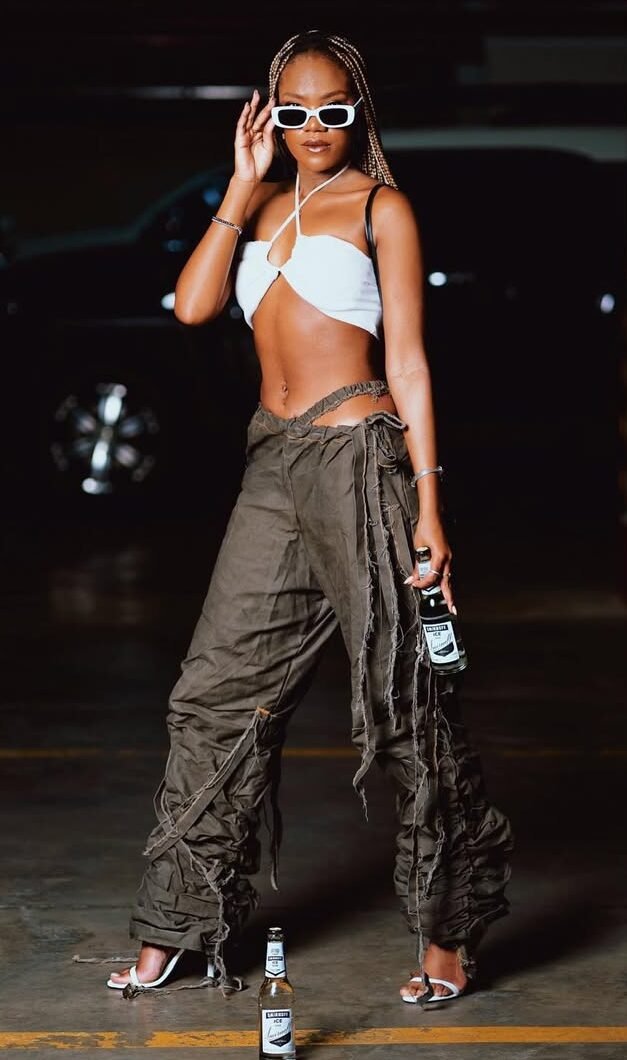
That visibility, backed by real opportunity, becomes a catalyst.
It shifts the mindset from breaking in to belonging.
WHAT REAL CHANGE LOOKS LIKE
IT LOOKS LIKE:
- Women curating and controlling sound
- Women mentoring other women entering the space
- Women building communities, not just careers
- Women being supported by platforms that invest in their growth
And critically, it looks like women being recognised not as exceptions, but as essential contributors to the culture.
ACROSS ALL THREE ARTISTS, A CLEAR PATTERN EMERGES: EMPOWERMENT IS NOT ABSTRACT. IT IS PRACTICAL
BEYOND REPRESENTATION: BUILDING THE FUTURE
The significance of “One of One: Lead Her By the Beat” lies in its clarity. This is not about momentary visibility tied to International Women’s Day. It is about long-term industry evolution.
Through AlphaTheta’s Equal Beats initiative, the focus shifts toward building systems that support:
- Access
- Development
- Visibility
- Sustainability
Because an equal industry is not one where women occasionally succeed. It is one where they are consistently supported to stay, grow, and lead.
THE SHIFT IS ALREADY HERE
FOR CHELSEA SLOAN, IT’S ABOUT REDEFINING CREATIVE FREEDOM.
FOR DJ MICHELLE, IT’S ABOUT SHAPING CULTURE THROUGH SOUND.
FOR DJ KANEDA, IT’S ABOUT BUILDING COMMUNITY AS INFRASTRUCTURE.
Three different approaches. One shared outcome: A new generation of women who are no longer asking for space, but actively creating it.
And as that shift continues, one thing becomes clear: The future of African DJ culture will not be defined by who gets included. It will be defined by who leads.