Opinion: Slow, frustrating rebuilding since Hurricane Melissa
Jamaica’s opposition People’s National Party (PNP) recently criticized the government for incompetence and corruption in the rebuilding process following the devastating impact of Hurricane Melissa on parishes in western Jamaica last October. There has been some progress in the rebuilding effort, but it has been slow, uneven, and far from complete — especially for ordinary […] The post Opinion: Slow, frustrating rebuilding since Hurricane Melissa appeared first on CNW Network.
 Black News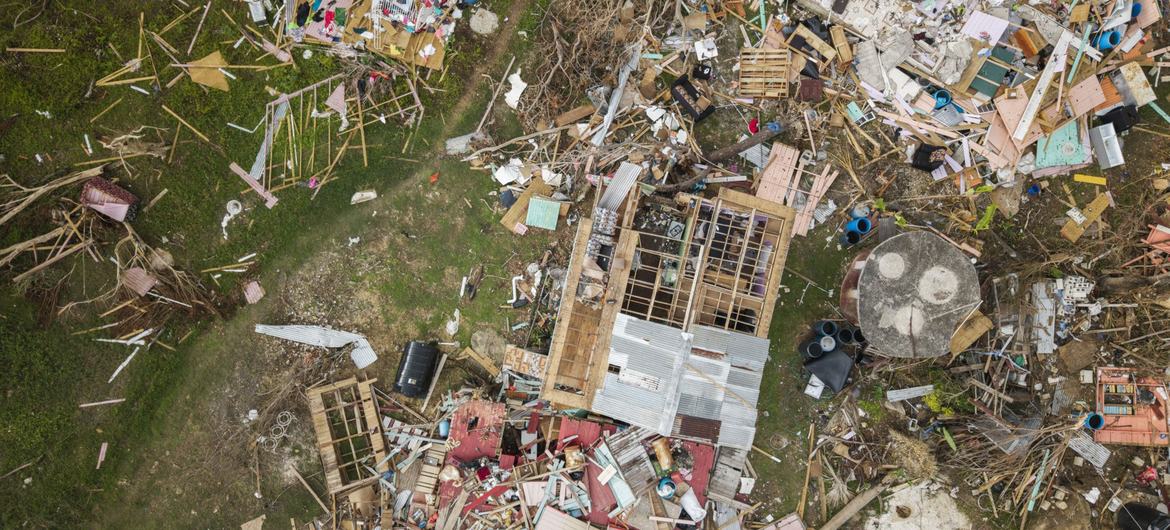


Jamaica’s opposition People’s National Party (PNP) recently criticized the government for incompetence and corruption in the rebuilding process following the devastating impact of Hurricane Melissa on parishes in western Jamaica last October.
There has been some progress in the rebuilding effort, but it has been slow, uneven, and far from complete — especially for ordinary people.
The hurricane, one of the strongest to hit Jamaica, damaged or destroyed more than 100,000 structures, displacing tens of thousands, with total damage estimated between US$8 billion and US$10 billion.

That scale alone suggests rebuilding will take years, not months, similar to what happened after major hurricanes in other Caribbean nations.
Jamaica secured billions in international funding for a multi-year reconstruction plan. According to reports, the government has already spent about J$67 billion on relief and restoration, while damage assessments have covered more than 17,000 households.
But what’s being rebuilt?
Some hotels and tourism areas are reopening, though others remain under repair. There is evidence of faster recovery in tourism zones since these areas generate much-needed revenue and employment. This creates the impression that “things are back to normal” in some places, while others remain in crisis.
Rebuilding is much slower in rural and coastal communities, where people are still struggling.
NGOs and charities are repairing roofs, providing building materials, and helping communities “build back safer.” But many residents remain in critical situations. Families still do not have proper roofs, and some are living in damaged homes, unable to afford rebuilding materials while waiting on delayed aid payments.
Shortages of building supplies, along with delays in restoring electricity and accessing funding, have slowed recovery. Entire communities still lack enough support to fully restart normal life.
People directly affected by the storm are coping through resilience and hardship, relying heavily on family networks, churches, local community groups, and diaspora support. Some residents are rebuilding gradually with whatever materials they can find.
The hardest-hit parishes were St. Elizabeth, Westmoreland, and Hanover.
In St. Elizabeth — often referred to as the “breadbasket” of Jamaica because of its wide agricultural base — residents are struggling significantly. With widespread damage to farming areas and fishing communities such as Treasure Beach, incomes remain limited. Rebuilding of homes has been slow, with residents resorting to piecemeal efforts such as patching roofs, using tarps, or living in partially repaired homes.
Westmoreland, affected by coastal flooding and storm surge damage, is also experiencing slow and uneven recovery. Several small businesses — shops, bars, and fishing operations — were heavily affected. Storm insurance coverage was low, resulting in small business owners receiving little or no payout. Many residents are relying heavily on diaspora remittances and community support to rebuild.
In Hanover, the rebuilding process is mixed, with tourist resorts recovering faster while inland and local communities lag behind. Rebuilt hotels stand alongside nearby homes that remain damaged and unrepaired.
The tourism center of Montego Bay also sustained significant damage, but recovery there has been relatively fast. Sangster International Airport, hotels, and key services were restored quickly. Visitors may feel things are “normal,” but workers from nearby communities continue to struggle at home.
The PNP, led by Opposition Leader Mark Golding, has criticized the government’s leadership in the rebuilding process across three main areas.
First, the party argues that too many people remain without proper housing months later, with aid distribution delayed and poorly coordinated. Rural communities such as St. Elizabeth and Westmoreland, it says, are being neglected. The core argument is that the government failed to move from relief to rebuilding quickly enough.
Second, the PNP has raised allegations of corruption and lack of transparency. The party is calling for independent oversight of reconstruction funds and stronger involvement of anti-corruption bodies, citing the risk of mismanagement or misuse of funds. It also argues that contracts and spending decisions are not transparent enough.
Third, the opposition criticized what it describes as a post-hurricane housing crisis, citing thousands living under tarpaulins while waiting for materials or grants, and arguing that the government’s temporary housing response has been too slow and insufficient.
In response, while the government has not denied delays, it disputes the causes, citing the unprecedented scale of damage, including destruction of roads, utilities, and communications. Officials argue that this level of devastation cannot be rebuilt quickly and requires a multi-year recovery effort.
Government representatives point to bottlenecks, including shortages of building materials, delays in importing supplies, and damaged roads slowing distribution. Prime Minister Andrew Holness acknowledged that shipping and delivery of housing solutions would take “an extensive amount of time.”
The government also argues that while billions of dollars are available, funds must go through proper procurement and accountability systems. Rapid spending without controls, officials say, could create the very corruption risks the PNP is warning about.
While the government has prioritized restoring tourism infrastructure — given its role in generating foreign exchange needed for recovery — it also points to actions such as mortgage relief for thousands of homeowners, the purchase of temporary housing units, tax relief on rebuilding materials, and major public spending allocations for reconstruction.
Both sides are partly right.
The PNP is correct that people are still struggling months later, housing recovery is slow, and transparency concerns are valid in large-scale disaster spending.
The government is also correct that the scale of destruction is extraordinary. Logistics, funding constraints, and infrastructure damage make fast rebuilding difficult, and rushing spending could increase corruption risks.
The truth lies somewhere in between. Rebuilding is slow, real hardship persists, and structural constraints continue to slow recovery.
The post Opinion: Slow, frustrating rebuilding since Hurricane Melissa appeared first on CNW Network.