Over 1,000 Afghans may be relocated to DR Congo under US-led talks
The administration of Donald Trump is exploring a plan to relocate more than 1,000 Afghan nationals to the Democratic Republic of the Congo, as Washington looks for alternatives to a stalled U.S. visa process that has left many in prolonged uncertainty.
 Black News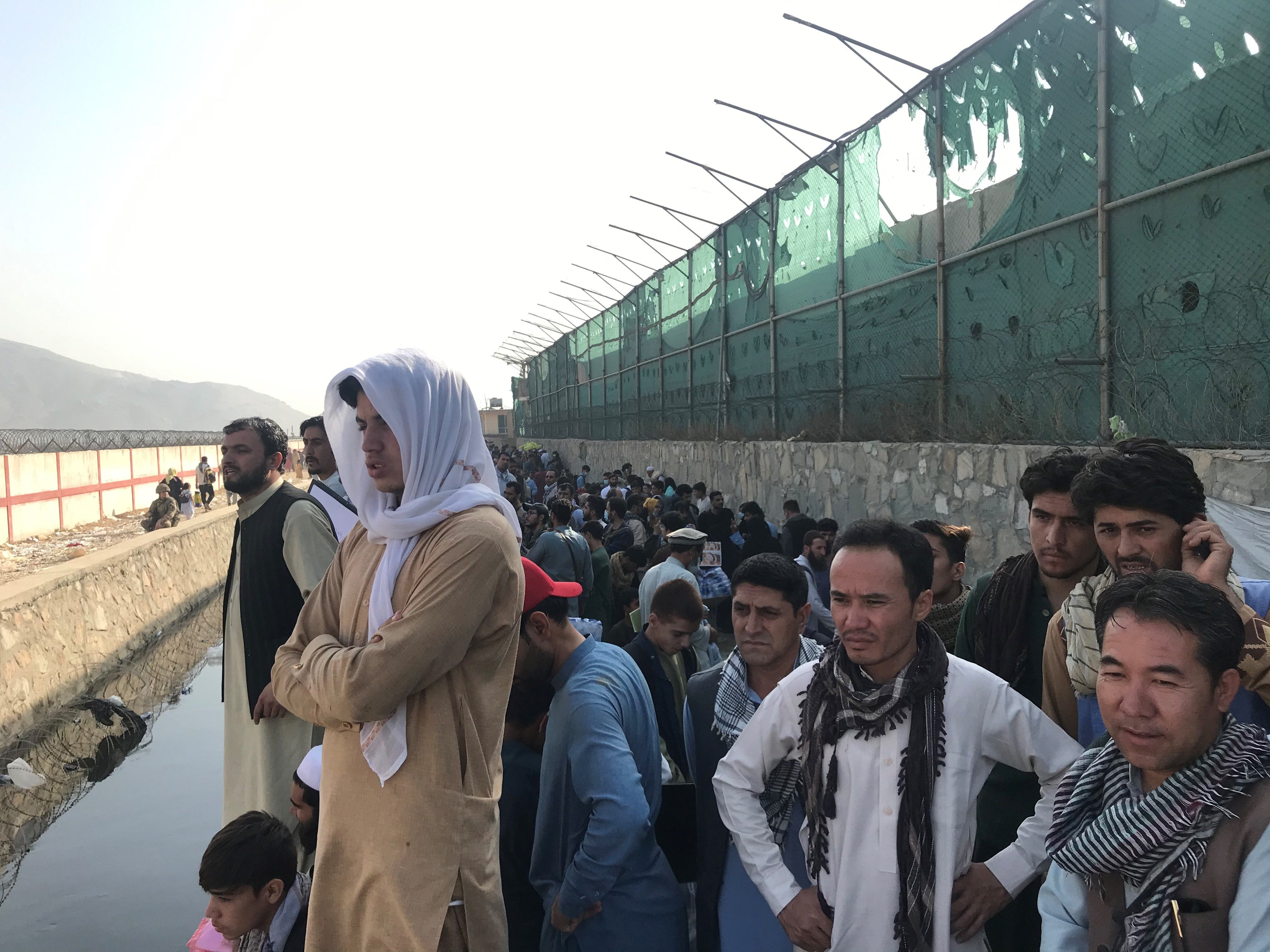


The administration of Donald Trump is exploring a plan to relocate more than 1,000 Afghan nationals to the Democratic Republic of the Congo, as Washington looks for alternatives to a stalled U.S. visa process that has left many in prolonged uncertainty.
- The Trump administration is considering relocating over 1,000 Afghan nationals from Qatar to the DRC
- Many of the affected Afghans were affiliated with U.S. organizations but are stranded due to slow visa procedures.
- Advocacy groups have criticized the relocation proposal, citing security concerns in the DRC and calling it an unacceptable solution.
- The talks occur alongside a broader deepening of U.S.-DRC relations
The proposal involves around 1,100 Afghans currently in Qatar, where they were transferred to complete immigration procedures for entry into the United States.
According to Reuters, that pathway has since slowed significantly following policy changes in 2025, leaving applicants stranded despite years of waiting after the U.S. withdrawal from Afghanistan.
Shawn VanDiver, head of the advocacy group #AfghanEvac, told Reuters that U.S. officials had informed him of the possible relocation plan. He criticised the idea, calling it “unacceptable” and citing ongoing security concerns in Congo.
Many of those affected either worked with U.S.-backed organisations during the two-decade war or have family ties in the United States.
While a federal judge ruled earlier this year that restrictions on certain Afghan visa processes were unlawful, processing remains largely stalled, Reuters reported.
US-DRC ties deepen beyond minerals
The relocation talks come amid a broader expansion of U.S. engagement with the Democratic Republic of the Congo.
Washington has in recent months pursued agreements with Kinshasa spanning critical mineral sourcing and mining cooperation - sectors seen as strategically important in countering China’s dominance in global supply chains.
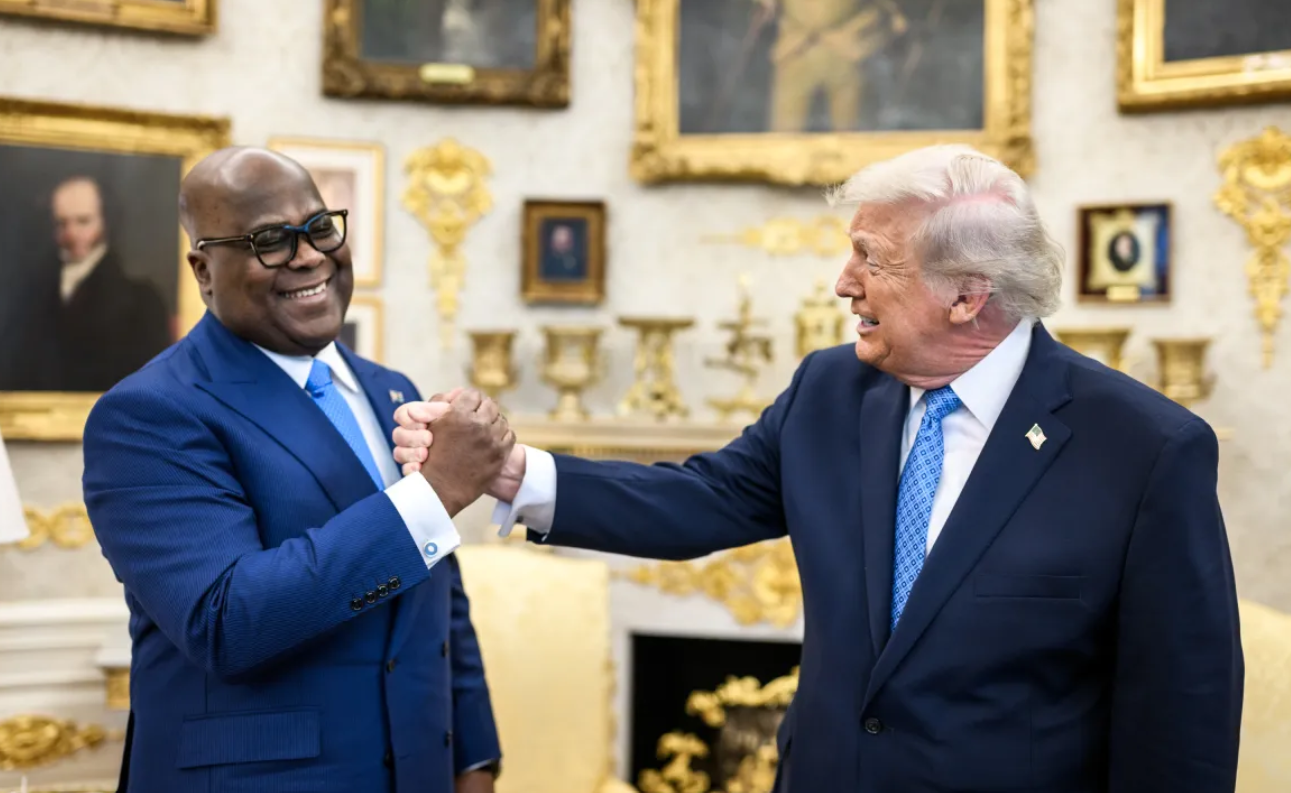
In February 2026, the United States and the DRC advanced implementation of their Strategic Partnership Agreement during the inaugural Joint Steering Committee meeting in Washington, formally activating cooperation under the framework.
A joint statement from the meeting highlighted the investment direction of the deal, stating:
“U.S. companies will receive preferential access to these assets… creating the conditions necessary for meaningful investment in the DRC’s critical minerals sector.”
The agreement is designed to strengthen Western access to strategic minerals, including cobalt and copper, while supporting the development of the DRC’s wider critical minerals value chain.
Alongside the critical minerals partnership, the Democratic Republic of the Congo also agreed to a separate arrangement with Washington to receive third-country nationals deported from the United States.
Business Insider Africa earlier reported that between 37 and 45 deportees were expected to arrive in Kinshasa last week as part of the U.S.–DRC third-country deportation arrangement, according to sources familiar with the matter.
That expectation has since been confirmed. Fifteen South American nationals deported from the United States arrived in Kinshasa on April 17, marking the first known implementation of the agreement, according to Al Jazeera.
The move aligns with a broader U.S. expansion of third-country deportation arrangements across Africa, including agreements involving Eswatini, Uganda, Ghana, and Kenya.
A U.S. State Department spokesperson told Reuters that resettling Afghans in a third country “would be a positive solution that would give them a chance to start a new life outside of Afghanistan,” though the official did not confirm whether the DRC had been finalised.
For the Congolese government, the discussions signal a growing role in U.S. foreign policy priorities, extending beyond economic cooperation into humanitarian and migration-related partnerships.
If finalised, the agreement would mark a significant shift in how Washington manages refugee resettlement, while further cementing its evolving diplomatic relationship with the resource-rich Central African nation.