‘Power of the Sister Vote’ poll spotlights Black women’s pay gap and economic concerns
The National Coalition on Black Civic Participation and the Black Women’s Roundtable released the 10th Annual Power of the Sister Vote Poll on Black Women’s Equal Pay Day, revealing that nearly half of Black women say they are paid less than white coworkers and are increasingly worried about job security and rising costs. The survey also found growing concern over protecting Social Security, Medicaid, voting rights and ending discrimination, with advocates calling for policy changes to close the wage gap. The post ‘Power of the Sister Vote’ poll spotlights Black women’s pay gap and economic concerns appeared first on AFRO American Newspapers.
 Black News

By D. Kevin McNeir
Special to the AFRO
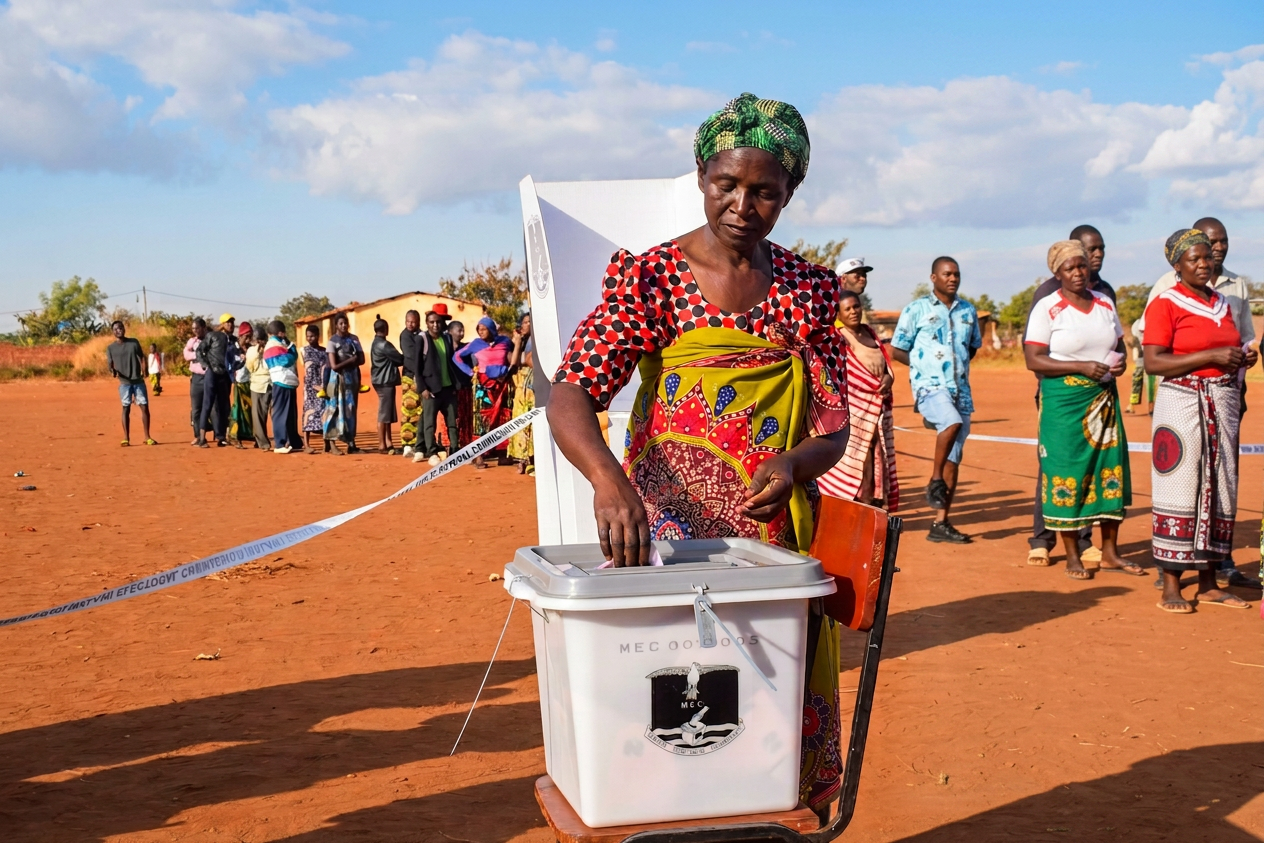
With the issue of affordability of tantamount concern for millions of Americans, and at a time when an estimated 600,000 African-American women have been disconnected from the workforce, a highly regarded national organization of Black women recently held a virtual discussion on how the current economy and unequal pay continue to impact their lives.

On July 21, the date established in 1996 by the National Committee on Pay Equity to annually highlight the impact of race and gender on the wage gap, Americans once again observed Black Women’s Equal Pay Day.
In its contribution to the conversations, demonstrations and strategy meetings which occurred across America on July 21, the National Coalition on Black Civic Participation (NCBCP) and the Black Women’s Roundtable (BWR) released findings of the 10th Annual “Power of the Sister Vote” Poll.
Melanie L. Campbell, president/CEO of NCBCP and national convener of BWR, said releasing the results of the poll, which represented the views of 1,000 Black women and registered voters, on Black Women’s Equal Pay Day was an intentional decision.
“We found it most appropriate that we release this poll today because Black women have never been paid what their true value has been to America,” Campbell said. “And now, with the attacks on DEI and a faltering economy, we are truly suffering.
“The poll shows that pay inequity has a face: that of a Black woman.”
Moderator Irene Marion, head of special projects for The Root, said with 10 years of results, Black women have their marching orders as the midterms elections approach.
“We at The Root take Black women’s lives seriously, not as a footnote but as a story – often as a headline,” Marion said. “And with a decade of responses on record of what Black women have said in their own words, the Sister Vote poll clearly indicates what is on our minds.”
Joining Campbell to present key findings from the poll and to share their perspectives on the more salient responses were Katrina Gamble, pollster at Sojourn Strategies; Dr. Avis Jones-DeWeever, principal at Nouveau Strategies; Dr. Mikhiela Sherrod, director of U.S. Domestic Programs, Oxfam America; and Holli Holliday, president/CEO, Sisters Lead Sisters Vote.
Key findings from the 2026 poll
Gamble emphasized that nearly half of respondents – 47 percent – said they are paid less than their white male or female coworkers, and nearly nine out of 10 said they were very concerned about being paid. This wage gap, which increases as Black women grow older, is also higher among Black women with college degrees.
“The attack on DEI has had a human cost,” Gamble said. “DEI cuts have impacted Black women in two ways: either directly or among someone close to them (44 percent), often forcing them to cut back on groceries or resulting in their buying cheaper food within the last three months. And the concerns are similar whether the women have college degrees or not.
“More troubling are the ways Black women have adjusted their normal routines simply to get by, including putting off seeing a doctor (30 percent for those with college degrees), utilizing food banks or church food pantries to supplement their groceries, borrowing money from family members (37 percent), or going into their savings (32 percent).”
Job security also served as a key concern for those who participated in the poll with even those who are currently employed (71 percent) expressing the need to find a job that allows them to adequately provide for themselves and their families.
“Among those who are unemployed, 31 percent lost their jobs due to layoffs or termination within the last two years,” Gamble said. “The reasons vary and include downsizing, the elimination of positions, or the elimination of DEI programs.”
Jones-DeWeever said between 2024 and 2026, there have been notable shifts in how Black women assess the top issues impacting their lives.
“In 2024, economics was at the top of the list and while that’s still a primary concern, Black women in 2026 now say protecting Social Security, Medicaid and fighting discrimination have risen to the top of the list (91 percent),” Jones-DeWeever said. “Protecting voting rights has become a priority at 90 percent – something which didn’t even show up in our poll in 2024.”
Jones-DeWeever said a long-standing issue within the Black community, the disproportionate number of Black maternal deaths among women in childbirth, has risen to the top of the list of concerns for the first time in the 10-year history of the poll.
And despite more Black women expressing discontent over the direction the nation has taken over the past two years, rising from 65 percent to 80 percent, most still said they’re satisfied with their lives as a whole.
“Perhaps it seems strange, but Black women, despite the challenges they face, point to things outside of the shifting political terrain, like their relationships with their families and friends and their faith, on which they rely to help them face and overcome the challenges before them,” Jones-DeWeever said.
Sherrod said she views Black Women’s Equal Pay Day as more than just a calendar date. She said to overcome poverty and injustice, the focus must be not on choices made by individuals or their failed efforts. Rather, Americans must come to terms with the legacy of occupational segregation that has failed to protect the rights of Black women and relegated them to the sector of low wage industries.
“For decades, women, especially Black women, have kept the American economy running, despite being undervalued and underpaid in industries like service, care giving, retail, and hospitality,” Sherrod said. “Even those with college degrees and years of experience are still paid less than white men because of systemic barriers that have been in place for centuries.”
Sherrod said policies created the inequities and believes that policies can also dismantle the same. She said to reduce the wage gap American society has to:
- Convince Congress to pass the Pay Check Fairness Act;
- Raise wages for women across the U.S. and eliminate those wages which trap women in poverty;
- Invest in quality jobs – not just more jobs – that expand access to careers which offer family-sustaining wages, benefits, opportunities for investment and safer work places;
- Recognize care as an essential infrastructure with paid family leave guaranteed for all workers so that no one has to choose between taking care of a loved one or a paycheck;
- Protect workers’ ability to organize.
“Equal pay is an economic, racial, gender and democracy issue,” Sherrod said. “The poll’s findings are more than a snapshot – they’re a call to action. Black women’s equal pay day is not about how long we’ve had to wait, but how we are coming together to close the wage gap.”
The post ‘Power of the Sister Vote’ poll spotlights Black women’s pay gap and economic concerns appeared first on AFRO American Newspapers.