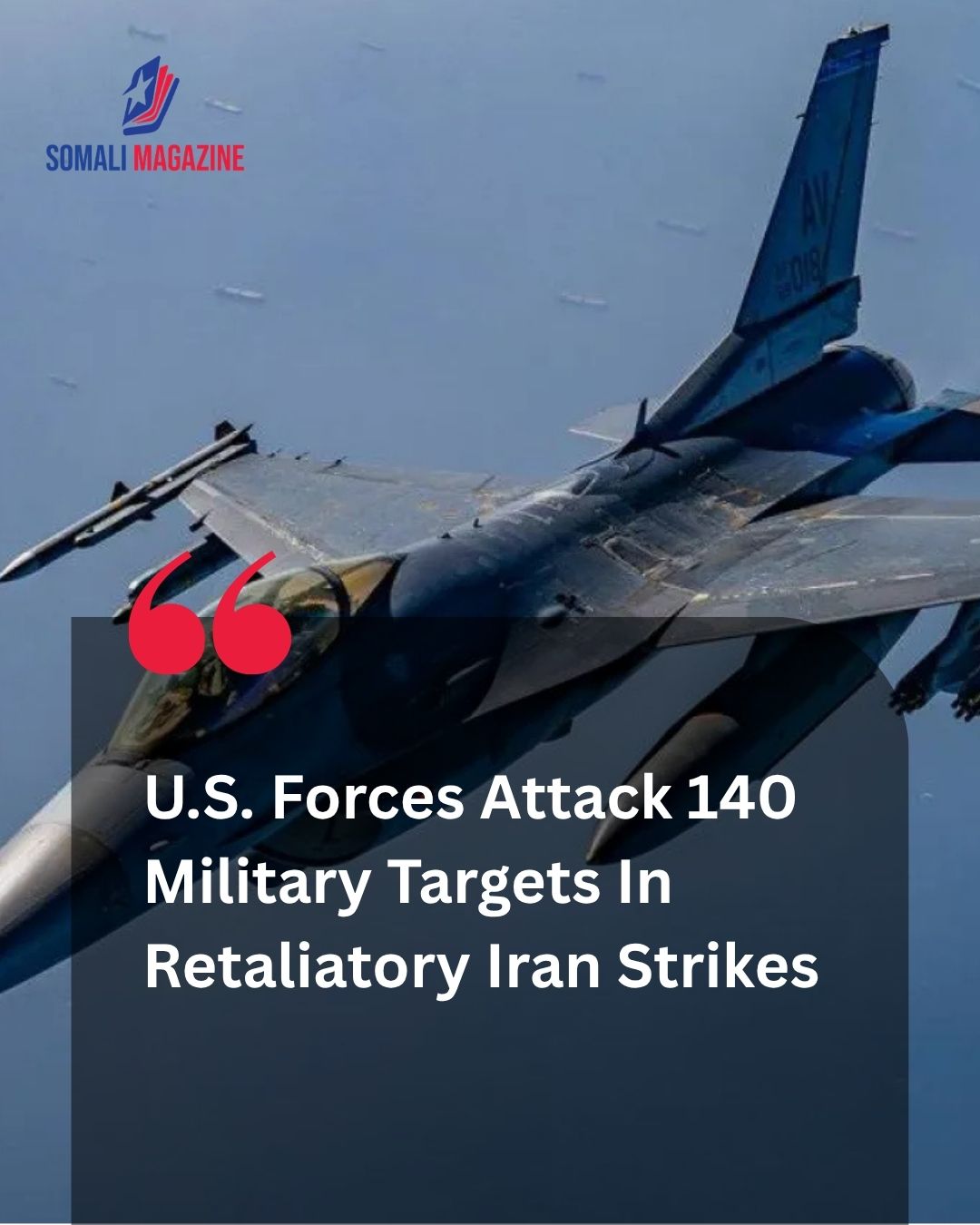
The fragile stability governing the world’s most critical maritime choke point has unraveled completely following a massive campaign where U.S. forces attack 140 military targets throughout Iran in a direct retaliatory offensive. U.S. Central Command confirmed that the high-intensity aerial and naval operation was launched in response to an Iranian attack that set a commercial container ship ablaze within the international waters of the Strait of Hormuz. The targeted kinetic strikes, representing the heaviest wave of aerial bombardment since the collapse of last month’s fragile ceasefire, aimed to dismantle the infrastructure used to threaten international shipping. According to military briefings, the precision strikes thoroughly blanketed several strategic territory corridors, focusing heavily on active drone launch facilities, coastal missile batteries, ammunition storage depots, and command networks. Defense officials reiterated that the decisive action was a direct, necessary enforcement mechanism designed to degrade the adversary’s capability to intercept civilian mariners and preserve the fundamental rules of freedom of navigation.
The dramatic uptick in violence followed a high-stakes maritime incident where an international container vessel suffered extensive engine-room damage and was abandoned by its crew after being targeted by Islamic Revolutionary Guard Corps assets. While regional maritime agencies scrambled to execute emergency rescue operations for the stranded mariners, the Pentagon quickly mobilized advanced carrier aircraft, unmanned aerial units, and naval surface vessels to execute the expansive retaliatory blueprint. President Donald Trump addressed the unfolding situation directly during a national broadcast, asserting that the administration would take all necessary unilateral measures to hold hostile actors accountable and prevent the permanent closure of the strategic waterway. Despite federal assurances that the shipping corridors remain technically open under international oversight, global energy markets reacted with immediate volatility as commercial shipping traffic plummeted to a fraction of its normal operational capacity.
The fierce crossfire did not remain confined to the Iranian coastline, triggering a rapid and highly volatile regional escalation across multiple neighboring nations. Within hours of the American strikes, Tehran responded by launching a coordinated barrage of ballistic missiles and explosive drones targeting several regional bases hosting U.S. military assets. Air defense sirens were activated across Bahrain, Qatar, Kuwait, Jordan, and the United Arab Emirates as local militaries scrambled to intercept incoming fire, resulting in localized shrapnel damage and heightened panic among civilian populations. Iranian parliamentary leaders issued stark warnings declaring that the era of one-sided diplomatic deals is over, threatening further expansive strikes against any regional administration that continues to assist Western military operations or host foreign defensive assets.
As the United Nations issues urgent pleas for maximum operational restraint, geopolitical analysts warn that the latest exchange has pushed the ongoing conflict to the brink of an all-out war. The severe breakdown in security has effectively paralyzed the delicate 60-day interim agreement signed in mid-June, which was originally intended to pave a durable path toward a permanent end to the war. With the new supreme leader in Tehran vowing to sustain defensive operations and international maritime bodies advising all merchant vessels to avoid transit through the area, the path toward a negotiated settlement appears deeply compromised. The coming days will prove critical as global powers attempt to re-establish deterrence, manage escalating energy crises, and prevent a total institutional collapse of diplomatic relations across the highly fragmented Middle East.


 Black News