Regional border security boosted
By Kisean Joseph kisean.joseph@antiguaobserver.com Antigua and Barbuda’s Immigration and Customs officials said the country has emerged from the 29th session of the Chiefs of Immigration and Comptrollers of Customs Conference better equipped to combat fraudulent travel and cross-border crime. The three-day conference, held at the Royalton Resort, brought together chiefs and comptrollers from across the […]
 Black News
By Kisean Joseph
kisean.joseph@antiguaobserver.com
Antigua and Barbuda’s Immigration and Customs officials said the country has emerged from the 29th session of the Chiefs of Immigration and Comptrollers of Customs Conference better equipped to combat fraudulent travel and cross-border crime.
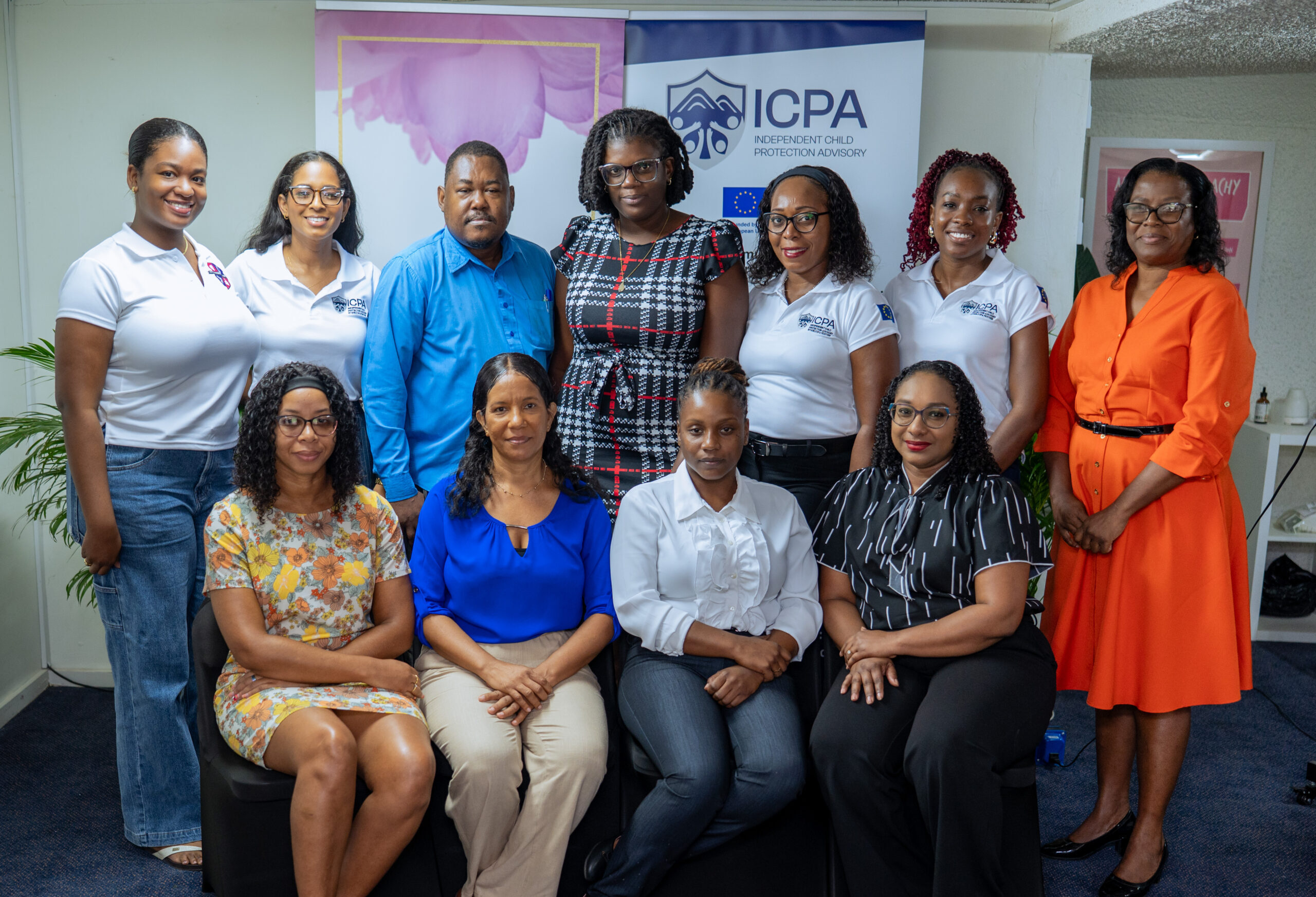
The three-day conference, held at the Royalton Resort, brought together chiefs and comptrollers from across the Caribbean under the umbrella of CARICOM IMPACS, with JRCC also in attendance. Chief Immigration Officer Katrina Yearwood described the gathering as a critical opportunity to strengthen the region’s coordinated response to evolving border threats.
“It has been a pleasure to host all of the region’s chiefs and comptrollers here in Antigua and Barbuda,” Yearwood said, adding that the primary takeaway was the importance of timely information-sharing and better coordination across the Caribbean.
A key theme that emerged was Antigua and Barbuda’s role as a de facto pre-vetting hub for neighbouring territories. Yearwood explained that because countries such as Grenada, St Kitts, and Montserrat do not maintain visa requirements for certain nationalities — including Haitian and Nigerian nationals — travellers seeking to transit through Antigua to reach those destinations must first clear local immigration screening.
“When it is that you get an e-visa request purporting to traverse through Antigua to get to Montserrat or to get to St Kitts, Antigua does the pre-vetting for those because those other countries don’t require a visa,” she said.
Yearwood noted that fraudulent documentation remains a persistent challenge, with applicants frequently submitting fabricated employment letters and bank records. She said her department’s vetting processes had repeatedly uncovered companies that did not exist, allowing officers to deny boarding or return individuals to their country of origin.
She said one of her principal takeaways from the conference was the need to establish verified contacts within jurisdictions that present the greatest vetting challenges — singling out Haiti and Dominica, neither of which was represented at the session.
Yearwood also gave a direct assurance to the public regarding the capability of the immigration apparatus.
“I would like to reassure the public that our borders are safe and that we continue to arm our officers with the necessary skill sets and capacity building that they need to make them even safer,” she said.
She added that ongoing training in the detection of fraudulent documentation remained a priority, noting that the indicators of fraud were constantly evolving and that officers must remain current with both international and regional best practices.
Acting Comptroller of Customs David Martin echoed those sentiments, saying the conference had significantly bolstered the division’s law enforcement capacity. He said the relationships forged over the three days would improve how Customs and Excise communicated with regional partners and positioned the division to more effectively disrupt bad actors throughout the commerce chain.
“The information received here will foster a better relationship among our stakeholders or regional partners in the way we do business and to achieve one common goal in terms of attacking the bad actors, wherever they are in the chain of commerce,” Martin said.
He also pointed to a practical development on the equipment front, noting that a Canadian company had presented scanning technology at the session — hardware that, if acquired, could directly enhance the division’s seizure operations.