Regional push for higher Tobacco tax
As governments face pressure to generate additional funds for public services, tobacco taxes are increasingly being considered as a way to boost revenue and decrease health expenses associated with smoking. This was the central point of the Second Southern African Conference on Tobacco Taxation (SACOTT II), held in Windhoek, where policymakers, tax experts, health officials... The post Regional push for higher Tobacco tax appeared first on New Era.
 Black News

As governments face pressure to generate additional funds for public services, tobacco taxes are increasingly being considered as a way to boost revenue and decrease health expenses associated with smoking.
This was the central point of the Second Southern African Conference on Tobacco Taxation (SACOTT II), held in Windhoek, where policymakers, tax experts, health officials and researchers gathered to discuss how stronger tobacco tax systems can support public finances.
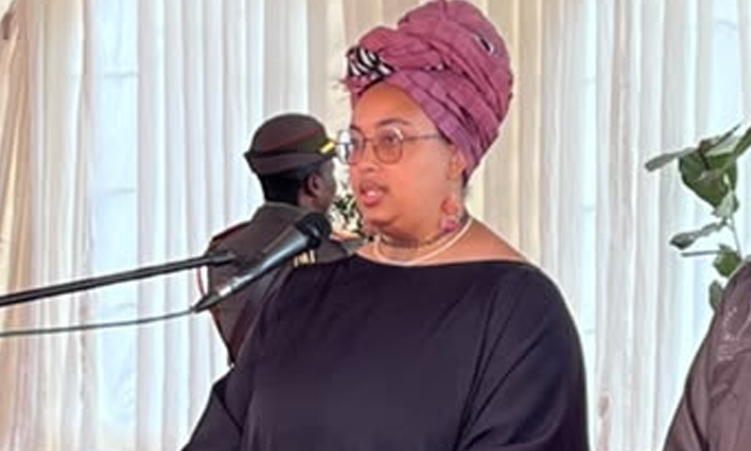
Deputy Minister of Gender Equality and Child Welfare Linda Mbwale stated that countries in the region are experiencing increasing pressure to expand services despite having limited resources.
She said governments are also battling a rise in non-communicable diseases, including cancer, heart disease, diabetes and chronic respiratory illnesses, which place additional pressure on health systems.
“Domestic resource mobilisation must therefore move from being merely a policy aspiration to a practical and sustainable development strategy,” Mbwale said.
She said tobacco taxation can help governments address two challenges at the same time, reducing tobacco use and generating additional revenue to support public services.
“Effective tobacco taxation offers governments a powerful policy instrument capable of delivering multiple benefits simultaneously,” she said.
Mbwale explained that higher taxes on tobacco products can discourage smoking, particularly among young people, while also protecting families from the financial impact of tobacco-related illnesses.
The deputy minister said tobacco use also has wider economic and social effects, particularly on households.
She said that when family members become ill due to tobacco-related illnesses, women often take on the responsibility of providing care, while household income may be diverted towards medical expenses.
“From a gender perspective, tobacco use and tobacco-related illnesses cannot be considered gender-neutral,” Mbwale said.
She also raised concerns about tobacco marketing strategies aimed at attracting new consumers, including women and young people.
Mbwale said policy responses should consider the link between tobacco use, poverty, youth development and social protection.
The conference was held under the theme “From Dependency to Domestic Resource Mobilisation: Strengthening Tobacco Tax Systems to Combat NCDs and Domestic Resource Mobilisation.”
The theme focuses on how countries can rely more on their own revenue sources to fund development programmes, rather than depending heavily on external support.
Mbwale said that stronger cooperation between countries is needed to address challenges such as the illegal tobacco trade, weak enforcement and differences in tax systems. “Tobacco products move across borders. Illicit trade exploits regulatory differences,” she said.
She called for closer cooperation among ministries of finance and health, revenue authorities, customs officials, researchers and civil society organisations.
According to Mbwale, no single institution can address tobacco taxation challenges alone, as the issue spans public health, trade, taxation and social welfare.
She said that Southern African countries have an opportunity to share experiences and improve their tobacco tax systems through regional cooperation.
The conference is expected to contribute to developing the Windhoek Declaration on Tobacco Taxation and Domestic Health Financing. Mbwale said the declaration should lead to practical steps and accountability among countries. “Declarations must not simply become documents that are launched, celebrated and then forgotten. They must become instruments of action and accountability,” she said.
The SACOTT II conference was organised by the Namibian Development Foundation, the Centre for Trade Policy and Development, and partners including the Tax Justice Network Africa, Tobacco Control Data Initiative, Campaign for Tobacco-Free Kids, and Development Gateway.
Mbwale said that discussions at the conference should help countries strengthen their tax systems, improve public health outcomes and identify sustainable ways to finance government priorities.
The post Regional push for higher Tobacco tax appeared first on New Era.