Saudi Arabia launches new cargo shipping service linking Africa and the Middle East, avoiding the Strait of Hormuz for non-oil cargo
Saudi Arabia’s Ports Authority (Mawani) has unveiled a major new cargo shipping service that could reshape trade corridors connecting the Middle East, Africa, and Europe, a move with implications for regional exporters and global supply chains.
 Black News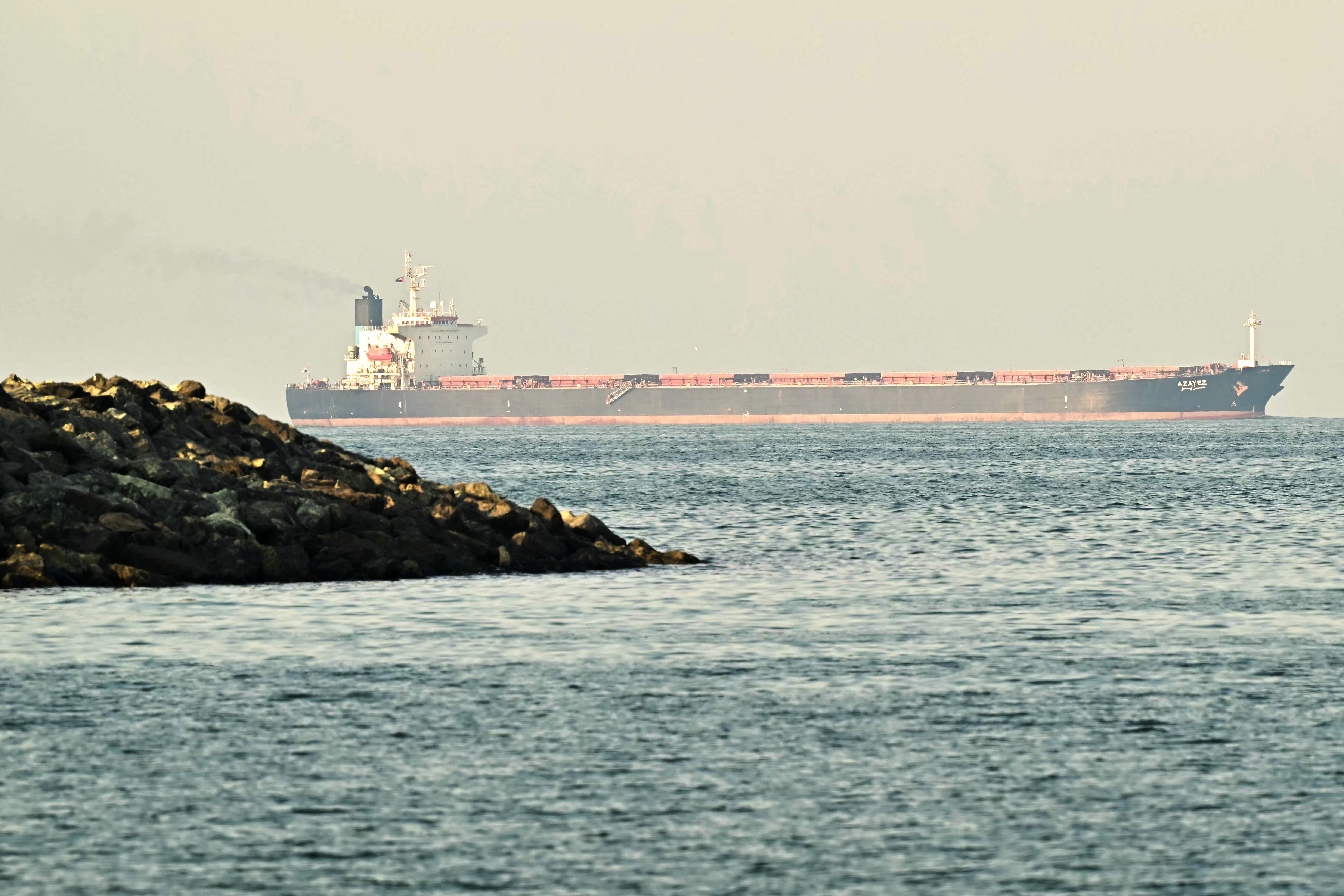


Saudi Arabia’s Ports Authority (Mawani) has unveiled a major new cargo shipping service that could reshape trade corridors connecting the Middle East, Africa, and Europe, a move with implications for regional exporters and global supply chains.
- Saudi Arabia's Ports Authority (Mawani) launched the Red Sea Express, a new cargo shipping service connecting Yanbu (Saudi Arabia), Ain Sokhna (Egypt), and Aqaba (Jordan).
- This initiative is part of the larger Red-to-Med logistics corridor, including a new railway, aiming to connect the Red Sea and Mediterranean for faster and more efficient trade.
- The service is intended to reduce cargo handling times, lower transport costs, and boost supply chain efficiency along Red Sea trade routes.
- The initiative supports Saudi non-oil export growth, aligns with Vision 2030 economic diversification, and enhances regional trade competitiveness and integration.
Saudi Arabia has launched the Red Sea Express, a new cargo service in partnership with shipping company Folk Maritime and petrochemical giant SABIC, linking King Fahd Industrial Port in Yanbu with Ain Sokhna in Egypt and Aqaba in Jordan.
The initiative is part of the broader Red-to-Med logistics corridor, a multimodal transport network connecting the Red Sea to the Mediterranean, including a high-speed electric railway currently under construction.
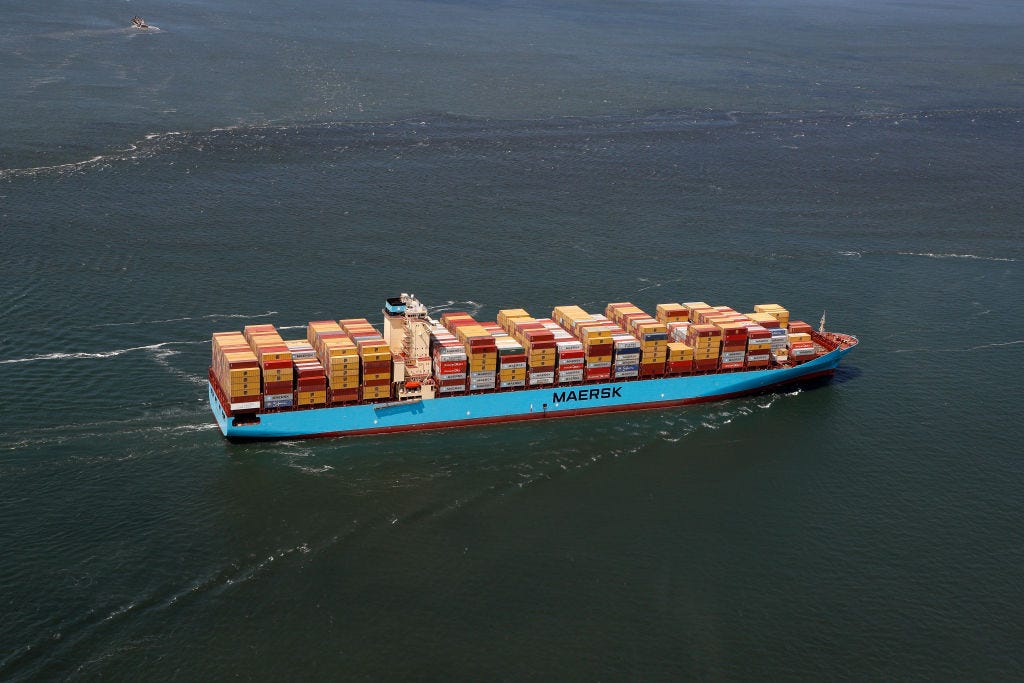
The service will speed up cargo handling, reduce waiting times, and improve supply chain efficiency across Red Sea trade routes. Vessels operating on the line will have a capacity of up to 1,100 twenty-foot equivalent units (TEUs).
Strategic Importance for Regional Trade
Although the Strait of Hormuz remains a critical chokepoint for roughly 20% of global crude exports, containerized and non-oil cargo generally bypasses it.
Trade instead moves through Red Sea–Mediterranean corridors, including routes served by the Red Sea Express, allowing shipments to flow efficiently to Africa, Europe, and Asia without passing through the Gulf.
Crude oil and petrochemicals, however, continue to transit traditional Gulf routes to the Indian Ocean.
Mawani officials told Arab News that the service is expected to support Saudi non-oil exports, attract foreign investment, and strengthen the kingdom’s regional trade connectivity, in line with Vision 2030 economic diversification goals.
For markets along Africa’s eastern and northern seaboard, enhanced connectivity through the Red Sea provides both opportunities and strategic advantages.
Shipping links through Ain Sokhna, a gateway to the Suez Canal, and Aqaba, Jordan’s deep-water port, offer alternatives to routes that have been periodically disrupted by geopolitical tensions.
Boosting Competitiveness and Regional Integration
Mawani added that the new service will improve the competitiveness of Saudi exports by reducing shipping times and transportation costs, while enhancing the efficiency and reliability of regional trade.
King Fahd Industrial Port in Yanbu, one of the largest Red Sea facilities with an annual handling capacity of 210 million tonnes, according to port authorities and industry reports, serves as the main Saudi terminal for the Red Sea Express.
The route also connects to Ain Sokhna Port in Egypt, a major gateway to the Suez Canal with a container capacity of up to 3.5 million TEUs annually, and Aqaba Port in Jordan, which handles approximately 2–2.5 million TEUs and 20–25 million tonnes of general and bulk cargo per year.
Together, the three ports form a network that enhances regional trade flows, provides alternatives to traditional Gulf shipping lanes, and supports trade between Asia, Europe, and Africa