Shilling weakens on dollar demand, geopolitical tensions
The Uganda shilling came under pressure during the week, weighed down by strong demand for the US dollar from local market players and offshore investors, alongside renewed geopolitical tensions in the Middle East. The local unit depreciated to close at 3670/3680, compared to the week’s opening levels of 3645/3655. Despite the recent weakness, the shilling […] The post Shilling weakens on dollar demand, geopolitical tensions appeared first on Daily Star.
 Black News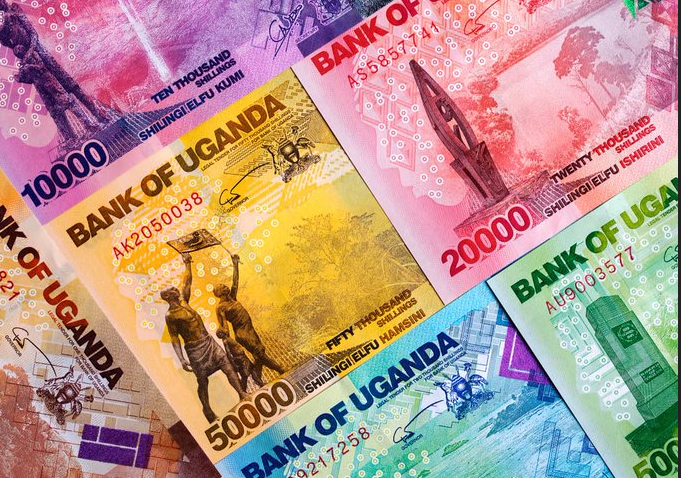
The Uganda shilling came under pressure during the week, weighed down by strong demand for the US dollar from local market players and offshore investors, alongside renewed geopolitical tensions in the Middle East.
The local unit depreciated to close at 3670/3680, compared to the week’s opening levels of 3645/3655.
Despite the recent weakness, the shilling is expected to trade within a broader range of 3600–3720 in the near term.
Richard Nsubuga, Acting Head of Trading for CIB Markets at Absa Bank Uganda, said the market remains highly liquid, with overnight and one-week rates averaging between 6.75 percent and 10 percent.
To absorb excess liquidity, the Bank of Uganda intervened on Thursday, mopping up Shs 2 trillion through the issuance of treasury bills and a seven-day repo.
Across the region, the Kenyan shilling remained relatively stable, with the USD/KES pair trading within the 129.00–129.50 range during the week.
Analysts expect the currency to trade between 129.20 and 129.90 in the near term, supported by balanced liquidity and month-end flows.
On the global front, oil prices declined, with Brent crude falling below $76 per barrel on Friday amid reports of continued diplomatic engagement between the United States and Iran, easing immediate supply concerns.
However, the benchmark is still on track to post a weekly gain of nearly 6 percent, supported by heightened geopolitical risks following recent military exchanges between the two countries.
The US dollar weakened slightly, with the dollar index slipping toward 100.5, marking a third consecutive daily decline as reduced safe-haven demand weighed on the currency.
Meanwhile, easing oil prices have helped temper inflation concerns, although markets still anticipate at least one additional interest rate hike by the US Federal Reserve later this year.
In currency markets, the British pound rose to $1.343, its highest level since mid-June, supported by expectations of tighter monetary policy from the Bank of England.
The euro also strengthened to $1.144, rebounding from a one-year low, as investors bet on further rate increases by the European Central Bank following its June policy shift.
Gold prices remained steady above $4,100 per ounce, ending a volatile week largely unchanged as investors continued to assess geopolitical risks and the outlook for global monetary policy.
The post Shilling weakens on dollar demand, geopolitical tensions appeared first on Daily Star.