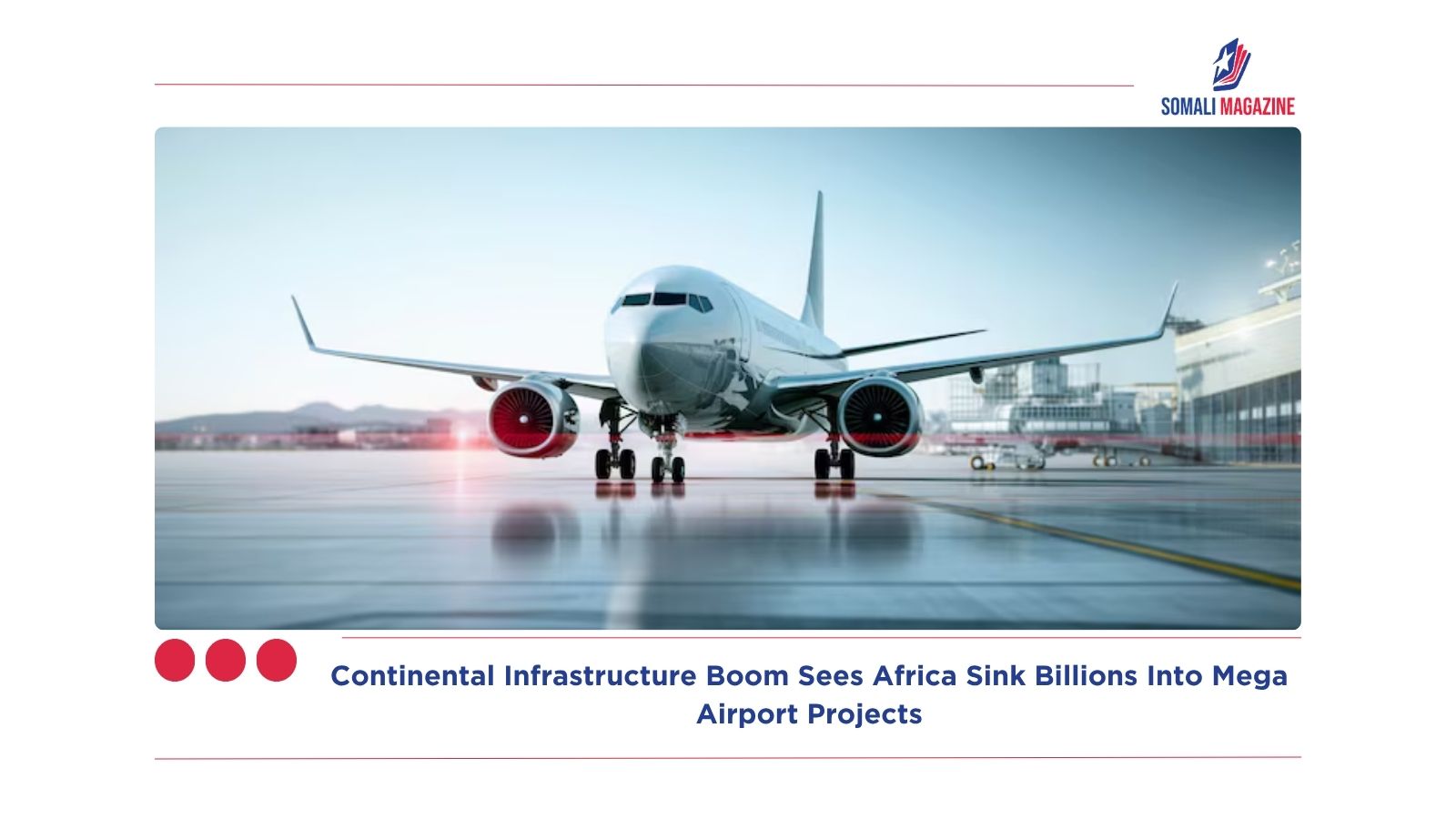
A massive infrastructure surge across developing markets has seen Africa sink billions into mega airport projects to position the continent as a global logistical crossroads. From East Africa to the Mediterranean coast, governments are backing ambitious capital developments aimed at capturing projected long-term travel growth. The financial scale of these undertakings is historic, with massive state expenditures and international debt packages flowing into runways, automated terminals, and multi-phased expansions. However, this unprecedented push toward massive continental aviation infrastructure comes at a highly volatile time for domestic aviation. Financial analysts point out a deep structural paradox: while states are heavily backing concrete assets, many local carriers continue to struggle against incredibly thin airline operating margins, high fuel costs, and restrictive protectionist policies.
The primary driver behind this sudden construction boom is the aggressive pursuit of state prestige and strategic economic independence. In Ethiopia, the state-owned national carrier recently commenced earthworks on the monumental $12.5 billion Bishoftu International Airport, which is designed to eventually process up to 110 million passengers annually. Concurrently, Kenya has revived a major $1.2 billion overhaul of its primary terminal in Nairobi after previous private financing frameworks collapsed, seeking desperately to defend its regional transit hubs status. Meanwhile, Rwanda is heavily committing national capital to the construction of Bugesera International Airport, and Morocco is rapidly accelerating its own multi-million dollar airport capacity expansion in preparation for co-hosting the 2030 FIFA World Cup.
Yet, industry experts express deep caution regarding whether passenger traffic can expand fast enough to prevent these facilities from becoming severe fiscal liabilities. The International Air Transport Association reports that African airlines face some of the toughest financial realities worldwide, frequently generating barely more than a single dollar of profit per passenger. Critics warn that without massive regulatory overhauls, such as fully implementing the Single African Air Transport Market to open continental skies, newly constructed terminals may sit dangerously underutilized. Furthermore, institutions like the International Monetary Fund have flagged the severe risk of skyrocketing public debt for smaller economies heavily leveraging their balance sheets. As construction machinery moves forward across the continent, the coming years will definitively prove whether these multi-billion-dollar gateways deliver transformative economic integration or leave local economies financially grounded.


 Black News