Mariam Olayode: Why Nigerians Are Scared of Visiting The Dentist
A girl had been managing her pain for weeks. She took painkillers in the morning and more at night, yet her jaw throbbed every time she tried to eat. It was clear that she needed to have her tooth extracted. However, when someone finally convinced her to visit the clinic, she sat in the waiting […] The post Mariam Olayode: Why Nigerians Are Scared of Visiting The Dentist appeared first on BellaNaija - Showcasing Africa to the world. Read today!.
 Black News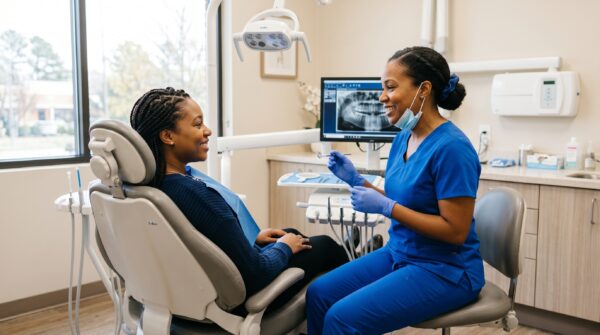

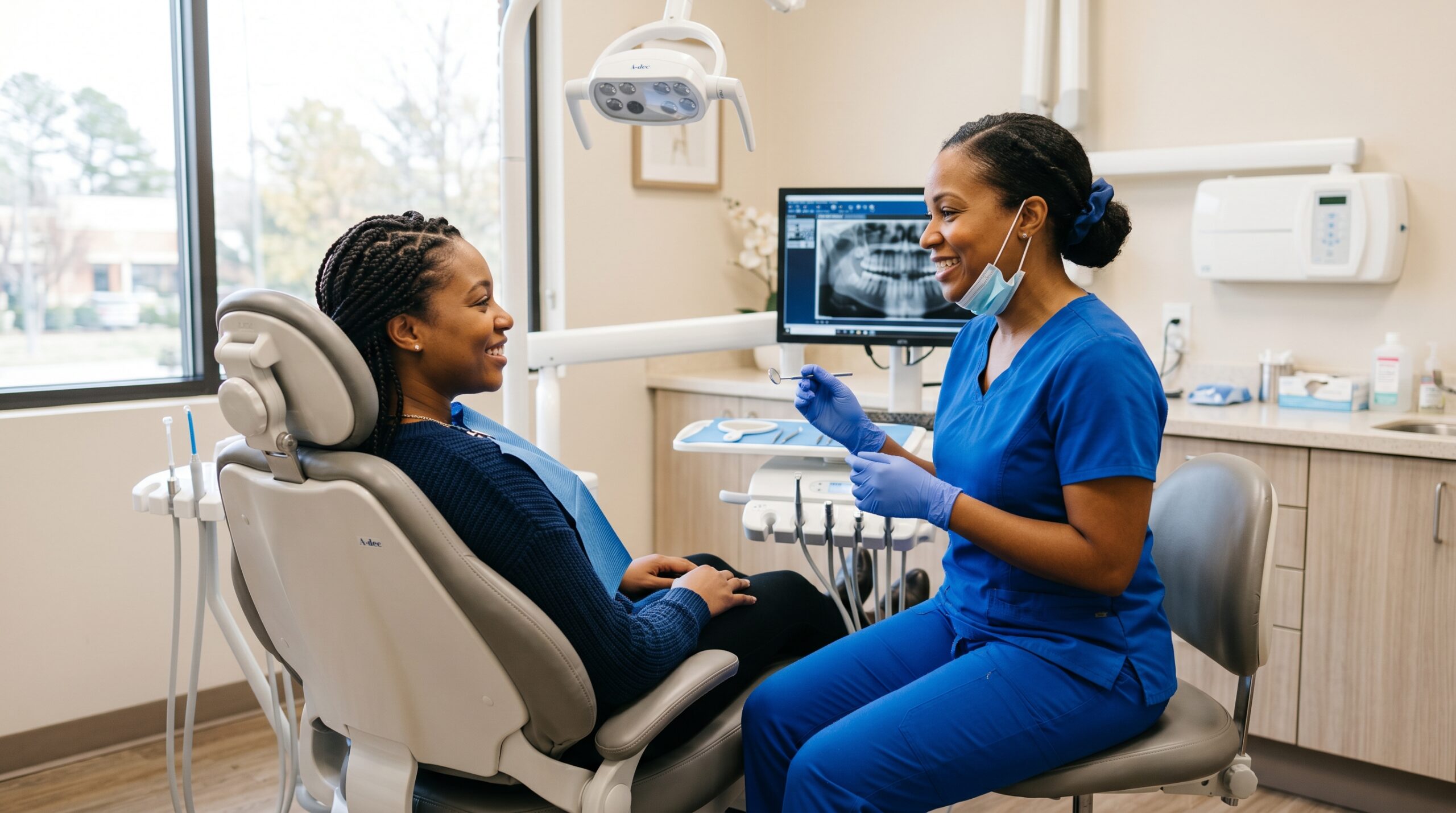
A girl had been managing her pain for weeks. She took painkillers in the morning and more at night, yet her jaw throbbed every time she tried to eat. It was clear that she needed to have her tooth extracted. However, when someone finally convinced her to visit the clinic, she sat in the waiting room, became increasingly anxious and left before her name was called.
Why? Because someone had told her that once a dentist removes one tooth, the problem moves to the other teeth and the removal cycle continues, until there is nothing left. As a licensed Dental Surgery Assistant, I have seen this happen so many times, and it is one of the reasons I became passionate about dental education. Due to a lack of knowledge around oral health, I have watched Nigerians endure months of pain because of fear or hearsay. We need to honestly talk about it.
The Myth That Keeps People Away
Let us start with the tooth extraction because it is everywhere. The belief that removing one tooth triggers a domino effect, that your remaining teeth will loosen, shift or fall out, is one of the most common things I hear from patients. It is not true. However, an untreated problem can eventually cause neighbouring teeth to shift over time, which is exactly why dentists recommend replacing extracted teeth. The extraction itself does not cause this. Leaving a painful, infected tooth untreated for months because of fear causes far more damage.
Myths like this are powerful because they come from people we trust, mothers, aunties, neighbours and they feel more real than anything a dentist in a white coat might say. So people stay home and manage the pain.
Perhaps one of the things that instruct fears in people is walking into a dental clinic and seeing trays of heavy metal instruments can be alarming. But dental professionals are trained to talk you through everything before it happens. Nothing should come near your mouth without you knowing what it is and what it will feel like. If you have ever left a dental appointment feeling like things happened too fast or without explanation, that is a conversation worth having with your dentist. You are allowed to ask questions. You are allowed to express your fears.
“I Have Never Been to a Dentist Before”
This is more common than many people realise, and it is nothing to be ashamed of. A lot of Nigerians grow up in households where dental visits were simply not part of the routine, not out of negligence, but due to limited access, high costs, or a genuine lack of awareness about the need for dental care. If your teeth didn’t hurt, why would you go?
The problem is that so many dental conditions are painless and asymptomatic in their early stages. Gum disease, cavities, and even some infections can develop for months before they become unbearable. By the time pain arrives, the problem has often grown much bigger and much more expensive than it would have been if caught early. A dental checkup every six months is not a luxury; it’s prevention.
Self-Medication Is Not Treatment
Walk into any pharmacy, and you will find people buying painkillers and antibiotics over the counter for a toothache. Flagyl. Amoxicillin. Pain relievers that mask the problem without addressing it. I understand why. It is cheaper, it is faster, and it feels like doing something. But a toothache is not an infection that antibiotics can permanently cure. The pain will return. And each time it does, the underlying problem worsens. Self-medication is not a solution. It is a delay with consequences. So visit a dentist instead.
I understand that dental care in Nigeria can be expensive, but the cost of treating a neglected dental problem is always higher than the cost of treating it early or visiting a pharmacy. A simple checkup is far cheaper than a root canal. A cleaning is far cheaper than an extraction followed by an implant. Prevention is not just better than a cure. It is cheaper too.
Oral health is connected to everything: your heart, your diet, your confidence, and your overall quality of life. A painful mouth affects how you sleep, how you eat, and how you speak. It deserves the same attention we give to every other part of our body.
If you have been putting off a dental visit because of fear or financial constraints, you should know that what you will find on the other side of that appointment is almost always far less frightening than what you imagined.
The post Mariam Olayode: Why Nigerians Are Scared of Visiting The Dentist appeared first on BellaNaija - Showcasing Africa to the world. Read today!.