Ijjy Ezímma Offor is braiding heritage into every design
Drawing on Igbo heritage and Italian craftsmanship, the designer discusses cultural belonging, creative independence and the realities of building a fashion business from the ground up. The post Ijjy Ezímma Offor is braiding heritage into every design appeared first on BRICKS Magazine.
 Black News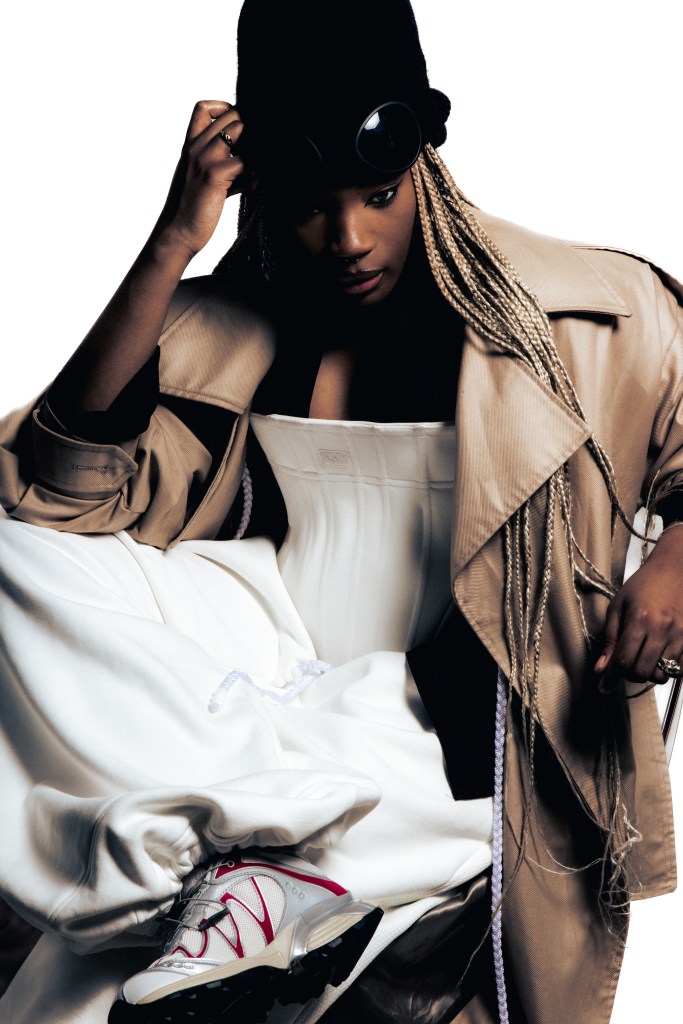
PHOTOGRAPHY Charlie Barclay-Harris
HEADER IMAGE Ijjy Ezímma Offor wears full look: Ezímma, shoes: Salomon X-T Whisper
This interview features as part of BRICKS #15 I Support You issue’s Portrait series. You can view the full series here, and order an issue now from our online store.
Ijjy Ezímma Offor approaches design as a way of navigating identity. As a second-generation immigrant, Offor has spoken about the tension of feeling both connected to and distant from the cultures that shaped them. Through their label Ezímma, they draw on Igbo heritage while also reconnecting with Italian roots by working with deadstock materials sourced in Florence. Each piece becomes a small act of storytelling, weaving together personal history, cultural memory and contemporary design into garments that reflect the layered nature of belonging.
The designer has spent recent months working tirelessly behind the scenes, preparing Ezímma’s relaunch for later this Autumn, and refining the brand’s vision as it enters its next chapter. In this edition of BRICKS Portraits, they reflect on creative independence, cultural identity and the realities of building a fashion business from the ground up.


Has there been a moment where someone’s support tangibly changed your path?
Not yet in a defining way, and I think that’s been an important part of my journey so far. Everything has been very self-built. This year, though, I’ve made a conscious decision to step outside of working in isolation and meet more people within fashion and adjacent creative industries. I’m starting to understand how much proximity and conversation shape opportunities, so I’m open to the idea that those moments of support are still ahead of me.
What’s the least glamorous part of sustaining a career in fashion right now?
Since I’m very intentional about building a strong direct-to-consumer channel for Ezímma from the beginning, most days aren’t creative in the romantic sense; they’re logistics, shipping issues, spreadsheets, margins, production timelines, and constant problem-solving.
You realise quickly that fashion is less about inspiration and more about systems. The glamour exists, but it can only be supported by an infrastructure that people rarely see.
You realise quickly that fashion is less about inspiration and more about systems. The glamour exists, but it can only be supported by an infrastructure that people rarely see.
Who are you designing with in mind when you’re working?
I design for a metropolitan person whose life moves across different environments in a single week: work, nightlife, travel, family gatherings; basically, everyday moments. Someone who values clothing that feels considered but effortless. Our goal is to dress people who express taste rather than status. Those who understand clothing as a language of identity rather than a symbol of hierarchy.


What are/were you doing alongside your creative work to keep it sustainable in the early days?
I worked in performance marketing before starting Ezímma, and I still freelance today. Initially, I saw it as something I would eventually leave behind, but it’s actually become an advantage since paid advertising and email marketing are fundamental to building a strong DTC brand. Being able to understand both the creative and commercial sides of growth has shaped how I want to approach the business.
Meaningful support means funding that allows the business to grow properly, from production to building strong systems early on. Coming from a working-class background, personal investment is naturally limited, so financial backing makes a real difference in being able to build with momentum.
What does meaningful support actually look like in fashion right now?
Nothing revolutionary… but access. Meaningful support means funding that allows the business to grow properly, from production to building strong systems early on. Coming from a working-class background, personal investment is naturally limited, so financial backing makes a real difference in being able to build with momentum.
Mentorship is equally important, especially since I didn’t come through a traditional fashion education, so connecting with people who understand the industry would make a huge difference.

I’m super proud of the organic celebrity placements the brand has received… It feels really validating since it means the work resonates on its own terms, and when the people responsible for shaping an artist’s image seek you out, it confirms that the design language is communicating something real.
How do you try to support others coming up behind you?
I’m very aware of how difficult creative entry points are, especially for people without industry connections. I’m still at the beginning of my journey, but I offer internships where possible and long-term. It’s important to me that Ezímma becomes a space that reflects opportunity.
What moment have you been most proud of in your career, and how did you celebrate it?
There hasn’t been one specific milestone yet, but I’m super proud of the organic celebrity placements the brand has received. We’ve never paid for placements as stylists and artists have always reached out independently.
It feels really validating since it means the work resonates on its own terms, and when the people responsible for shaping an artist’s image seek you out, it confirms that the design language is communicating something real. I’ve mainly celebrated this by expressing gratitude to the stylists who believed in the work early.


You’ve spoken about the power in shaping your identity from the cultural layers that resonate with you, from your Igbo heritage to reconnecting with your Italian side through materials sourced in Florence. What does it mean to you to bring those together in your designs, and how do you hope the wearer experiences that?
Our symbol is an interpretation of a braid, which fundamentally is multiple strands forming something stronger together. It reflects the idea that identity is layered and unity is central to the brand’s philosophy.
I want the wearer to feel permission to exist beyond one definition, whether it’s culturally, creatively, or personally. Anyone open-minded enough to recognise complexity in themselves and others can find a place within Ezímma.
Enjoyed this story? Help keep independent queer-led publishing alive and unlock the BRICKS Learner Platform, full of resources for emerging and aspiring creatives sent to you every week via newsletter. Start your 30-day free trial now.
The post Ijjy Ezímma Offor is braiding heritage into every design appeared first on BRICKS Magazine.