Elina Duni & Rob Luft: The Magic of “Reaching for the Moon”
Discover the intimate and nocturnal reimagining of “Reaching for the Moon” by the jazz duo Elina Duni and Rob Luft. An artistic partnership suspended in time The contemporary jazz landscape has found one of its most magnetic and poetic combinations in recent years with Elina Duni and Rob Luft. After exploring the quartet dimension in acclaimed albums like Lost Ships and A Time to Remember, the Swiss-Albanian singer and the talented British guitarist decided to strip their music of any unnecessary structures. The result of this evolution is beautifully distilled in the title track of their project, “Reaching for the...
 Black News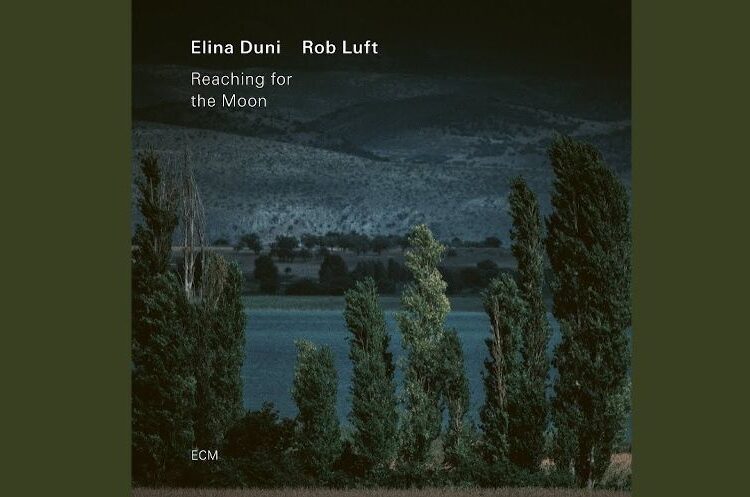
Discover the intimate and nocturnal reimagining of “Reaching for the Moon” by the jazz duo Elina Duni and Rob Luft.
An artistic partnership suspended in time
The contemporary jazz landscape has found one of its most magnetic and poetic combinations in recent years with Elina Duni and Rob Luft. After exploring the quartet dimension in acclaimed albums like Lost Ships and A Time to Remember, the Swiss-Albanian singer and the talented British guitarist decided to strip their music of any unnecessary structures.
The result of this evolution is beautifully distilled in the title track of their project, “Reaching for the Moon”. This track is not just the opening of the work, but a true statement of intent by a duo that embraces minimalism and pure interaction as their signature style.
The essence of a classic reimagined
Originally written by the legendary Irving Berlin in 1930 for the movie of the same name, “Reaching for the Moon” is an American songbook classic that has lived countless lives through the voices of giants like Frank Sinatra and Ella Fitzgerald. Yet, the version proposed by Duni and Luft stands completely apart from the past.
The two artists choose the path of subtraction: the melody is slowed down, expanded, and almost whispered. There is no grandiosity of the old big bands, nor any chase after virtuosity for its own sake. Instead, there is a profound desire to inhabit the lyrics, giving back to the listener the vulnerability and the sense of poignant nostalgia inherent in Berlin’s words.
The perfect intertwining of voice and strings
What makes this track a truly hypnotic listening experience is the extraordinary musical telepathy between the two protagonists. Elina Duni’s voice moves with a confidential, late-night grace, brushing against the notes with a velvety timbre that evokes both loneliness and hope. Alongside her, Rob Luft’s guitar proves to be much more than a simple backing instrument.
Luft uses electronics subtly and discreetly, creating ambient soundscapes, reverbs, and textures that wrap around the vocals. Every chord seems to wait for the singer’s breath, in a constant interplay of anticipation and response that transforms the track into an intimate dialogue under dimmed lights.
The unmistakable aesthetic signature of ECM
A fundamental role in the success of this track must also be attributed to Manfred Eicher’s production and the recording work done at the renowned Studios La Buissonne in the south of France. The historic sonic signature of the ECM label is perfectly reflected in the management of space and silence.
In “Reaching for the Moon”, silence carries the exact same weight as the notes played. The soundscape is so crisp and clear that listeners feel as if they are sitting in the very same room as the musicians, sensing every tiny vibration of the strings and every nuance of the vocals, immersed in a magical, lunar atmosphere.
A minimalist journey that enchants
In conclusion, “Reaching for the Moon” stands out as one of the most fascinating tracks in the contemporary jazz and folk scene. Elina Duni and Rob Luft have succeeded in the feat of taking a historic standard and shaping it according to their own deeply personal, transcultural sensibility.
It is a song that demands attention, a slow listen away from the frenzy of daily life. A gem of rare beauty that confirms how sometimes, to touch the deepest chords of the soul, you don’t need large orchestras, you just need a voice, a guitar, and a great deal of poetry.