Somalia president pledges democracy at UN amid term extension row
MOGADISHU (Somaliguardian) – Somalia’s President Hassan Sheikh Mohamud said on Thursday his government was laying the foundations of universal suffrage, addressing the United Nations General Assembly as opposition leaders at home said he had left unresolved a dispute over his term extension and changes to the constitution. Mohamud, speaking at the 81st session of the […]
 Black News
MOGADISHU (Somaliguardian) – Somalia’s President Hassan Sheikh Mohamud said on Thursday his government was laying the foundations of universal suffrage, addressing the United Nations General Assembly as opposition leaders at home said he had left unresolved a dispute over his term extension and changes to the constitution.
Mohamud, speaking at the 81st session of the General Assembly in New York, said Somalia was moving toward a multi-party democracy and away from the clan-based power-sharing system that has underpinned its politics for decades.
Opposition Faults Timing
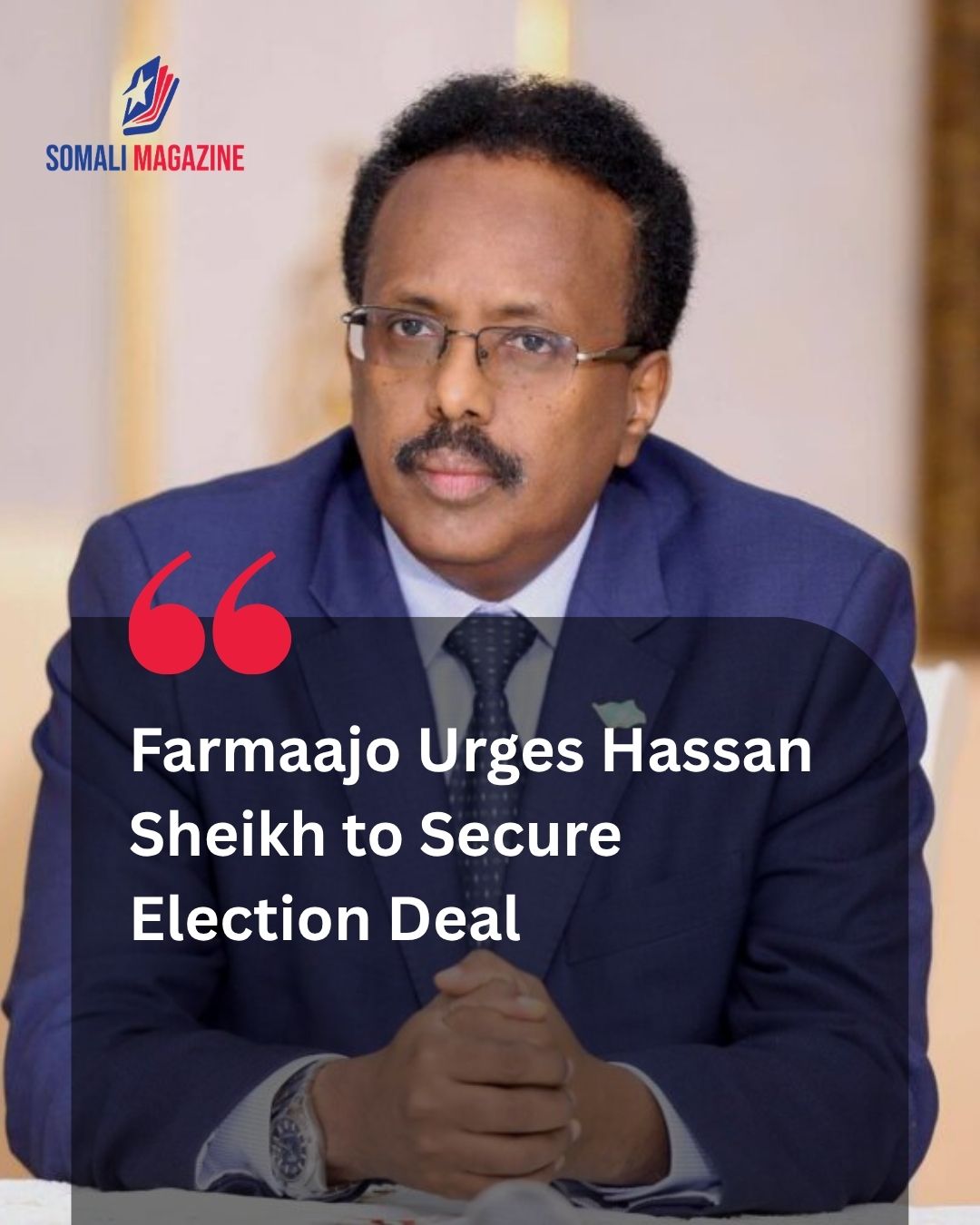
Former President Mohamed Abdullahi Farmajo and other opposition leaders said Mohamud should have resolved Somalia’s political crisis before traveling to New York. Farmajo has accused Mohamud for months of pushing through constitutional changes without consensus and of using a planned shift to one-person-one-vote elections to extend his own time in office.
The dispute dates to March 2026, when parliament passed, and Mohamud signed, amendments extending presidential and parliamentary terms to five years from four and pushing national elections back to 2027. Opposition figures, including Farmajo, former President Sharif Sheikh Ahmed, several former prime ministers, and the Puntland and Jubaland state administrations, said the vote fell short of the consensus required for constitutional change and that some opposition lawmakers were barred from the session.
Mohamud’s original mandate expired on May 15, 2026. The government declared what it called a “transition period” after no agreement was reached with the opposition by that date. The standoff has at times turned violent, with clashes reported in Mogadishu and federal forces entering Baidoa amid a related crisis in Southwest State.
The political crisis has coincided with strain on Somalia’s security partnerships. The African Union’s stabilization mission in the country has faced a funding shortfall this year, and Ethiopian troops withdrew from the town of Burhakaba, developments that have added to international concern about Somalia’s stability.
Wider UN Address
Mohamud also called for reform of the UN Security Council, saying Africa’s absence from permanent membership was “a historical injustice” affecting 54 countries. He reaffirmed Somalia’s support for Palestinian statehood along 1967 borders and said instability in the Strait of Hormuz had driven up fuel and food prices at home, adding to economic pressure that has cut customs revenue and pushed up inflation this year.
The government has cast the UN appearance as a chance to secure continued international support for Somalia’s institutions. Opposition figures say that support means little without an agreed, consensus-based path to elections at home.
Contact us: info@somaliguardian.com