South Africa Advances Digital Inclusion Through New Skills and Connectivity Initiatives
Solly Malatsi has highlighted a series of initiatives aimed at expanding digital inclusion, strengthening technology partnerships, and supporting innovation across South Africa as the country ......
 Black News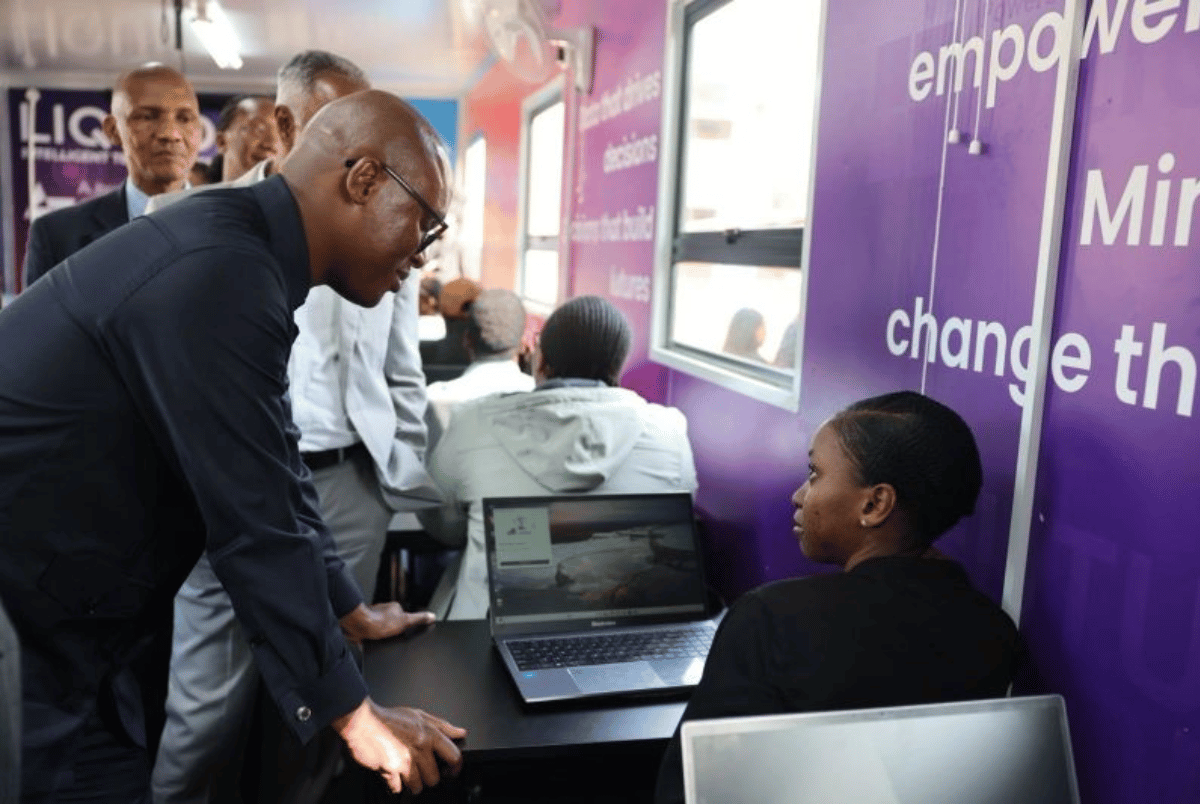
Solly Malatsi has highlighted a series of initiatives aimed at expanding digital inclusion, strengthening technology partnerships, and supporting innovation across South Africa as the country accelerates efforts to build a more inclusive digital economy.
During the week of May 18 to 22, 2026, Malatsi focused on projects designed to improve access to connectivity, digital skills, infrastructure, entrepreneurship, and technology-driven public services.
One of the key developments was the launch of a Mobile Digital Lab in Phokeng, located in South Africa’s North West province. The initiative, launched in partnership with Liquid Intelligent Technologies at the Royal Bafokeng Institute, is intended to provide young people in rural and township communities with greater exposure to digital skills, connectivity, and emerging technologies.
The project forms part of broader public-private sector collaboration efforts aimed at reducing the digital divide and increasing participation in the country’s growing digital economy. According to Malatsi, expanding access to digital tools, infrastructure, and skills remains central to ensuring more inclusive economic participation.
The minister also held discussions with Equinix on South Africa’s strategic role within Africa’s digital economy. The talks focused on the growing importance of artificial intelligence, cloud computing, and data-driven technologies, as well as the need for continued investment in digital infrastructure and connectivity to position South Africa as a leading digital gateway for the continent.
Supporting local innovation and entrepreneurship also featured prominently during the week. Malatsi met with Godiragetse Moganedi, founder of Delivery Ka Speed, a logistics platform designed to improve delivery services in underserved communities. Discussions centered on the importance of enabling local innovators and startups to scale and compete within the digital economy.
In the education technology sector, the minister engaged with the team behind The Marking App Africa, a South African-developed platform focused on modernizing assessment and marking processes through technology. The initiative reflects growing interest in practical digital solutions aimed at improving operational efficiency and educational outcomes.
Youth empowerment and township development were also part of the government’s digital inclusion agenda. Malatsi met with Musa Sono, founder of the Emuseni Foundation, to discuss opportunities to expand digital skills development and technology access within township communities through collaboration between government, civil society, and the private sector.
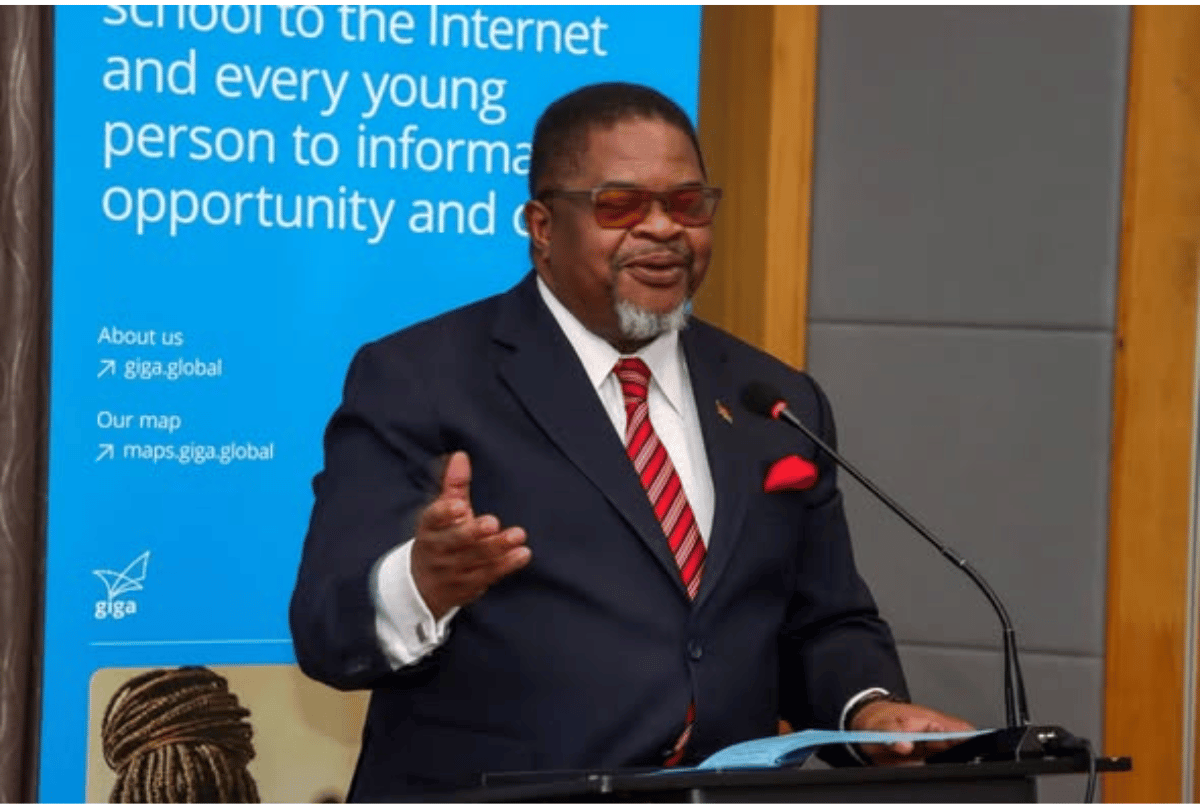
The intersection of healthcare and technology was another major focus area. The minister addressed delegates at the SAMA Health Summit, where discussions explored the expanding role of digital technologies, artificial intelligence, and innovation in improving healthcare delivery and system efficiency.
According to Malatsi, as healthcare systems become increasingly dependent on digital infrastructure, there is a growing need to ensure that innovation supports healthcare professionals, improves patient outcomes, and strengthens secure and responsible use of data and AI technologies.
The week’s engagements reflect South Africa’s broader ambition to create a more connected, innovative, and inclusive digital future through strategic partnerships, infrastructure investment, skills development, and support for homegrown innovation.