THE ELEPHANT GOD ACROSS THE SEAS
The Viral Claim, the Ancient Truth — and the Journey of Ganesha into IndonesiaBy Publisher Ray CarmenIn the restless tide of TikTok discoveries, few claims have captured the imagination quite like this:“A 7,500-year-old statue of Lord Ganesha has been found in Indonesia.”A headline made for virality.A claim made for millions of views.But beneath the digital storm lies a far deeper, more powerful story—one that stretches not just across centuries, but across oceans, empires, and civilisations.The Viral MythLet’s begin with clarity.Ganesha—the elephant-headed deity of wisdom, beginnings, and remover of obstacles—is one of the most beloved figures in Hindu tradition.Yet historically:The earliest known depictions of Ganesha emerge around the 4th–5th century CEHis worship developed within the Indian subcontinent—not 7,500 years agoThe timeline suggested in the viral claim predates organised Hinduism itselfIn short:There is no credible archaeological evidence supporting a 7,500-year-old Ganesha statue.But dismissing the story entirely would be missing the real magic.The Civilisations That Carried a GodLong before hashtags and algorithms, there existed something far more powerful:Trade. Culture. Influence.Between India and Southeast Asia, vast maritime networks flourished. Through them travelled:LanguagePhilosophyReligionArtAnd with them… the gods.The great empires of the region—such as theSrivijaya Empire andMajapahit Empire—became gateways of cultural transformation.On the islands ofJava andBali, temples rose.And within them… sat Ganesha.Stone, Spirit, and SurvivalAcross Indonesia today, ancient statues of Ganesha still stand—calm, powerful, enduring.They are not 7,500 years old.But many are over 1,000 years old, carved during the height of Hindu-Buddhist influence in the region.These statues tell a remarkable story:A civilisation open to ideas beyond its shoresA fusion of local belief and foreign philosophyA spiritual symbol that transcended geographyA Nation of LayersModern Indonesia is the world’s largest Muslim-majority nation.And yet, the legacy of Ganesha remains visible:His image has appeared on Indonesian currencyHe is revered in academic institutions as a symbol of knowledgeIn Bali, Hindu traditions continue to thrive vibrantlyThis is not contradiction.This is civilisation layered in time.The Real Power of the StoryThe TikTok claim may be flawed.But its virality reveals something important:People are hungry for connection to history, to mystery, to meaning.And the truth delivers something even greater than myth:Not a statue lost in time…But a god that crossed oceans without conquestA symbol that travelled through respect, exchange, and curiosity
 Black News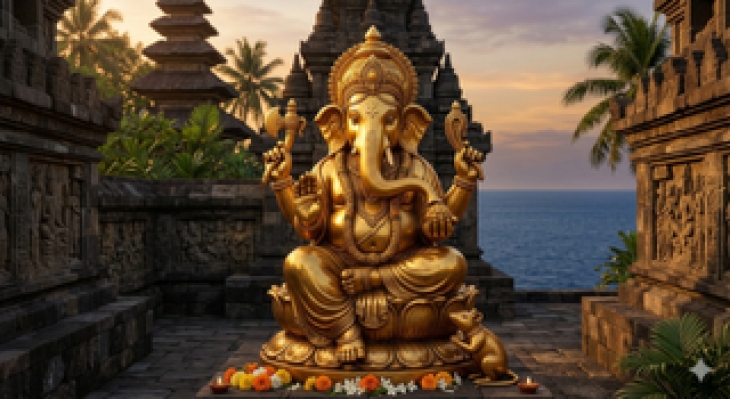


The Viral Claim, the Ancient Truth — and the Journey of Ganesha into Indonesia
By Publisher Ray Carmen
In the restless tide of TikTok discoveries, few claims have captured the imagination quite like this:
“A 7,500-year-old statue of Lord Ganesha has been found in Indonesia.”
A headline made for virality.
A claim made for millions of views.
But beneath the digital storm lies a far deeper, more powerful story—one that stretches not just across centuries, but across oceans, empires, and civilisations.
The Viral Myth
Let’s begin with clarity.
Ganesha—the elephant-headed deity of wisdom, beginnings, and remover of obstacles—is one of the most beloved figures in Hindu tradition.
Yet historically:
- The earliest known depictions of Ganesha emerge around the 4th–5th century CE
- His worship developed within the Indian subcontinent—not 7,500 years ago
- The timeline suggested in the viral claim predates organised Hinduism itself
In short:
There is no credible archaeological evidence supporting a 7,500-year-old Ganesha statue.
But dismissing the story entirely would be missing the real magic.
The Civilisations That Carried a God
Long before hashtags and algorithms, there existed something far more powerful:
Trade. Culture. Influence.
Between India and Southeast Asia, vast maritime networks flourished. Through them travelled:
- Language
- Philosophy
- Religion
- Art
And with them… the gods.
The great empires of the region—such as the
Srivijaya Empire and
Majapahit Empire—became gateways of cultural transformation.
On the islands of
Java and
Bali, temples rose.
And within them… sat Ganesha.
Stone, Spirit, and Survival
Across Indonesia today, ancient statues of Ganesha still stand—calm, powerful, enduring.
They are not 7,500 years old.
But many are over 1,000 years old, carved during the height of Hindu-Buddhist influence in the region.
These statues tell a remarkable story:
- A civilisation open to ideas beyond its shores
- A fusion of local belief and foreign philosophy
- A spiritual symbol that transcended geography
A Nation of Layers
Modern Indonesia is the world’s largest Muslim-majority nation.
And yet, the legacy of Ganesha remains visible:
- His image has appeared on Indonesian currency
- He is revered in academic institutions as a symbol of knowledge
- In Bali, Hindu traditions continue to thrive vibrantly
This is not contradiction.
This is civilisation layered in time.
The Real Power of the Story
The TikTok claim may be flawed.
But its virality reveals something important:
People are hungry for connection to history, to mystery, to meaning.
And the truth delivers something even greater than myth:
Not a statue lost in time…
But a god that crossed oceans without conquest
A symbol that travelled through respect, exchange, and curiosity