The Importance of Helping Children Find Their Voice Before They Need It
Mari Payne, Deputy Managing Director and Senior Director Education and Programs at Sesame Workshop International South Africa, shares insights into helping children find their voices this Child Protection Week. ... The post The Importance of Helping Children Find Their Voice Before They Need It appeared first on Good Things Guy.
 Black News
Mari Payne, Deputy Managing Director and Senior Director Education and Programs at Sesame Workshop International South Africa, shares insights into helping children find their voices this Child Protection Week.
South Africa (26 May 2026) – Most adults want children to speak up when something feels wrong. The question we have to ask ourselves, however, is whether we are helping them build the confidence they need to do so early enough in their lives. Children do not suddenly find their voice when they are feeling threatened, unsure or overwhelmed. They build it over time through everyday experiences that teach them whether adults will listen, whether their boundaries will be respected and whether it is safe to say things like: “Stop”, “I don’t like that” or “Something feels wrong.”
That is why child safeguarding needs to start much earlier than most people realise – even before a child has the words to describe harm clearly. It should begin with young children learning that their body belongs to them, they are allowed to feel uncomfortable, and that there are safe adults who will listen and help.
This doesn’t mean that teaching consent and bodily autonomy requires introducing adult concepts before children are ready to learn them. It means helping them understand simple, practical messages, including that they are allowed to say no to unwanted touch (yes, even hugs from unfamiliar family members at special occasions), that some secrets should not be kept, and that they can go to a safe adult if something makes them feel scared, confused or uneasy.
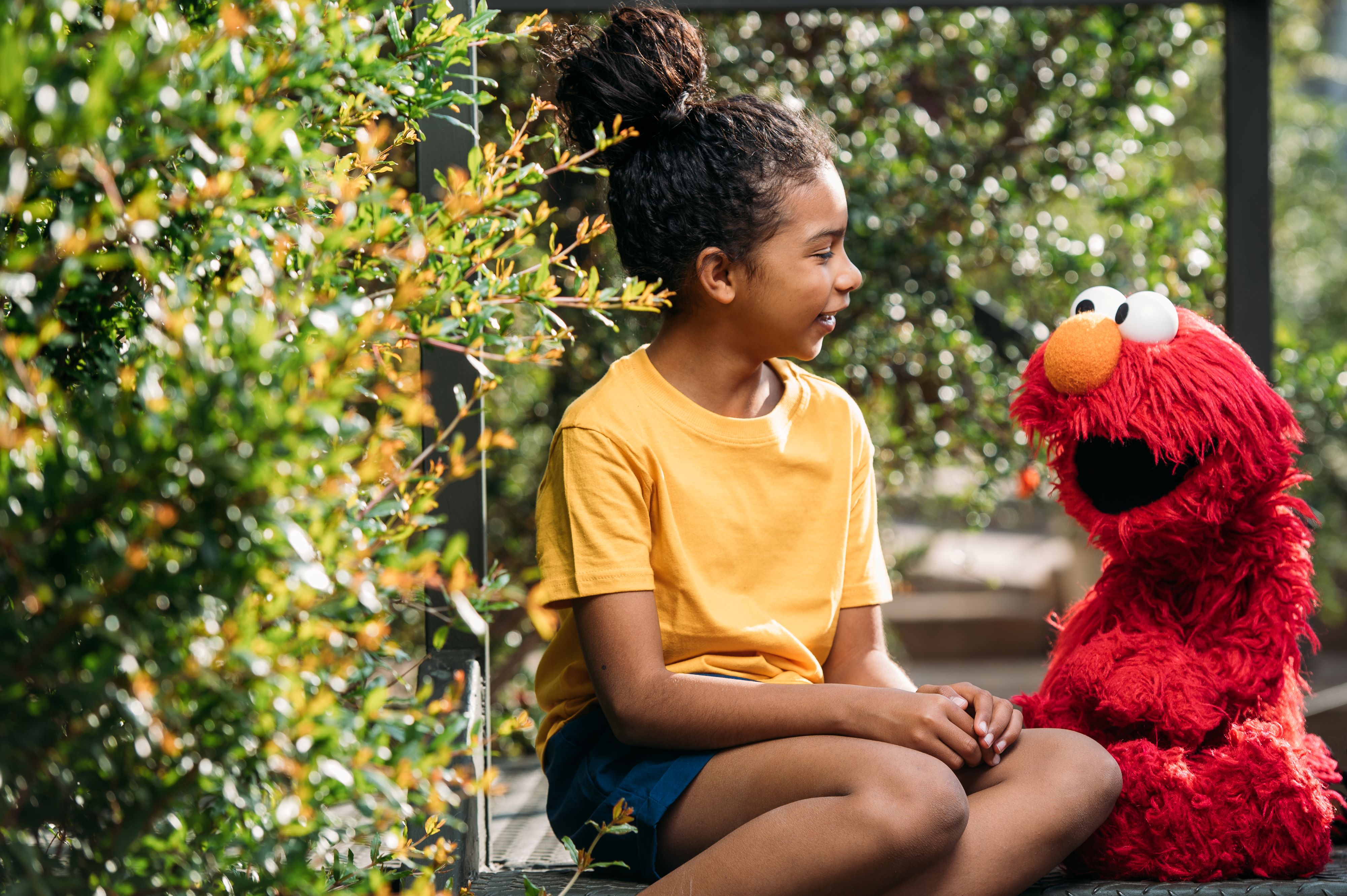
Teaching consent in early childhood is also not about pushing children into conversations they are too young to understand. It is about helping them grasp, in ways that are appropriate for their age, that they have a say – especially over their own bodies, that it is okay to express discomfort, and that they can expect adults to respect their boundaries. That’s where bodily autonomy starts – by giving children a simple framework for understanding safety, trust and choice in their everyday lives.
Importantly, these lessons need to be built over time and preferably in ordinary day-to-day moments. They must be shaped by everyday interactions, such as asking before hugging a child, stopping a tickling game when the child says no, and using clear language and proper names for body parts instead of making the topic feel shameful. Small interactions like these teach children that adults take their rights and personal space seriously, rather than expecting them to stay polite even when they are uncomfortable.
When adults repeatedly ignore or brush past a child’s objections, laugh off their discomfort or insist on obedience and politeness at all costs, they are teaching them something deeply unhelpful about power. In contrast, when a child knows that there are adults who will pause, listen and respond calmly and respectfully, they develop a stronger personal sense of safety and trust. Of course, that does not guarantee that a child will always speak up; but it does make it more likely that they will try.
Building trust and confidence in this way is especially important given the way children often disclose harm or discomfort. Some may drop hints, while others may change their behaviour, withdraw, become unusually anxious or simply test an adult’s reaction to a smaller discomfort before saying more. The Centre of Expertise on Child Sexual Abuse notes that children’s disclosures are often partial and gradual and that the adult response to these plays a significant part in shaping whether a child continues speaking or goes quiet.
This means that knowing how to listen as an adult is a vital component of helping children speak up. Too often, child safeguarding advice is aimed only at children. We tell them to be careful, to say no and to tell someone. These are important messages, but they need to be accompanied by the reassurance that children have access to safe adults who will not react with panic, anger, suspicion or blame when they are told something difficult.
In the South African context, creating these safe environments can feel challenging, given that many families and caregivers are already navigating pressure, exhaustion and competing demands. But Child Protection Week is a reminder that helping children find their voice is possible, and that it’s not some overwhelming, difficult and time-consuming task. It’s something we can, and should, teach over time, through the everyday ways we respond to their boundaries, questions and even discomfort. So they have the confidence to speak out when they need to – and know they will be heard.
Source: Sesame Workshop International – South Africa
Don’t ever miss the Good Things. Download the Good Things Guy App now on Apple or Google.
Do you have something to add to this story? Please share it in the comments or follow GoodThingsGuy on Facebook and Twitter to keep up to date with good news as it happens, or share your good news with us by clicking here or click the link below to listen to the Good Things Guy Podcast with Brent Lindeque – South Africa’s very own Good Things Guy. He’s on a mission to change what the world pays attention to, and he truly believes there’s good news around us. In the Good Things Guy podcast, you’ll meet these everyday heroes and hear their incredible stories:
Or catch an episode of Good Things with Brent Lindeque or our Weekly Top 5 below. The videos here are always changing, updated with the latest episodes from these two shows. Both are part of Good Things TV, created to bring South Africans balance at a time when the news can feel overwhelmingly negative. Our goal is simple: to remind you that there are still so many good things happening in our country – and to leave you feeling a little more proudly South African.
The post The Importance of Helping Children Find Their Voice Before They Need It appeared first on Good Things Guy.