Three mega-projects backed by Dangote, Turkish investors put $40bn behind East Africa’s Indian Ocean trade ambitions
Three mega-projects backed by Nigerian billionaire Aliko Dangote, Turkish investors and East African governments are putting more than $40 billion behind a push to reshape trade along the Indian Ocean coast.
 Black News

Three mega-projects backed by Nigerian billionaire Aliko Dangote, Turkish investors and East African governments are putting more than $40 billion behind a push to reshape trade along the Indian Ocean coast.
- Three major projects backed by Dangote, Turkish investors, and East African governments aim to invest over $40 billion to reshape trade along the Indian Ocean coast.
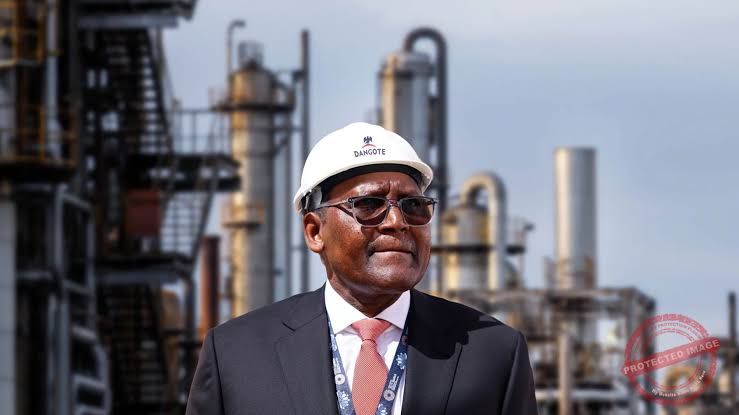
- A $17 billion refinery in Lamu, Kenya, spearheaded by Aliko Dangote, plans to process 700,000 barrels of crude oil daily for regional distribution.
- Somalia and Turkish investors are developing a $4 billion port, special economic zone, and industrial hub near Warsheekh.
- Tanzania and Uganda are collaborating on a $20 billion-plus energy hub at Tanga, including a refinery, pipelines, storage, and a marine terminal to serve East and Central Africa.
In Kenya, Aliko Dangote is backing a proposed $17 billion refinery and petrochemical complex in Lamu. Tanzania and Uganda are developing a $20 billion-plus energy hub at Tanga, while Somalia has confirmed plans for a nearly $4 billion Turkish-backed port, special economic zone and industrial project near Warsheekh.
The projects are at different stages and serve different purposes, but together they point to a broader shift in East Africa’s maritime economy.
Ports are increasingly being developed not simply as places where ships load and unload cargo, but as integrated centres for refining, energy distribution, manufacturing, storage and access to inland African markets.
Their emergence could also give landlocked economies including Ethiopia, Uganda, South Sudan, Rwanda, Burundi and the Democratic Republic of Congo more routes to the global economy through the Indian Ocean.
The projects are separated by roughly 1,000 kilometres of coastline but reflect a similar ambition: use Africa’s position along major Indian Ocean shipping routes to attract industrial investment and connect domestic economies to regional markets.
Kenya is betting on a $17bn energy hub
Dangote’s proposed Lamu refinery is planned to process 700,000 barrels of crude oil per day, making it potentially the largest refinery in East Africa.
The refinery is expected to produce fuels and petrochemicals for Kenya and wider East African markets.
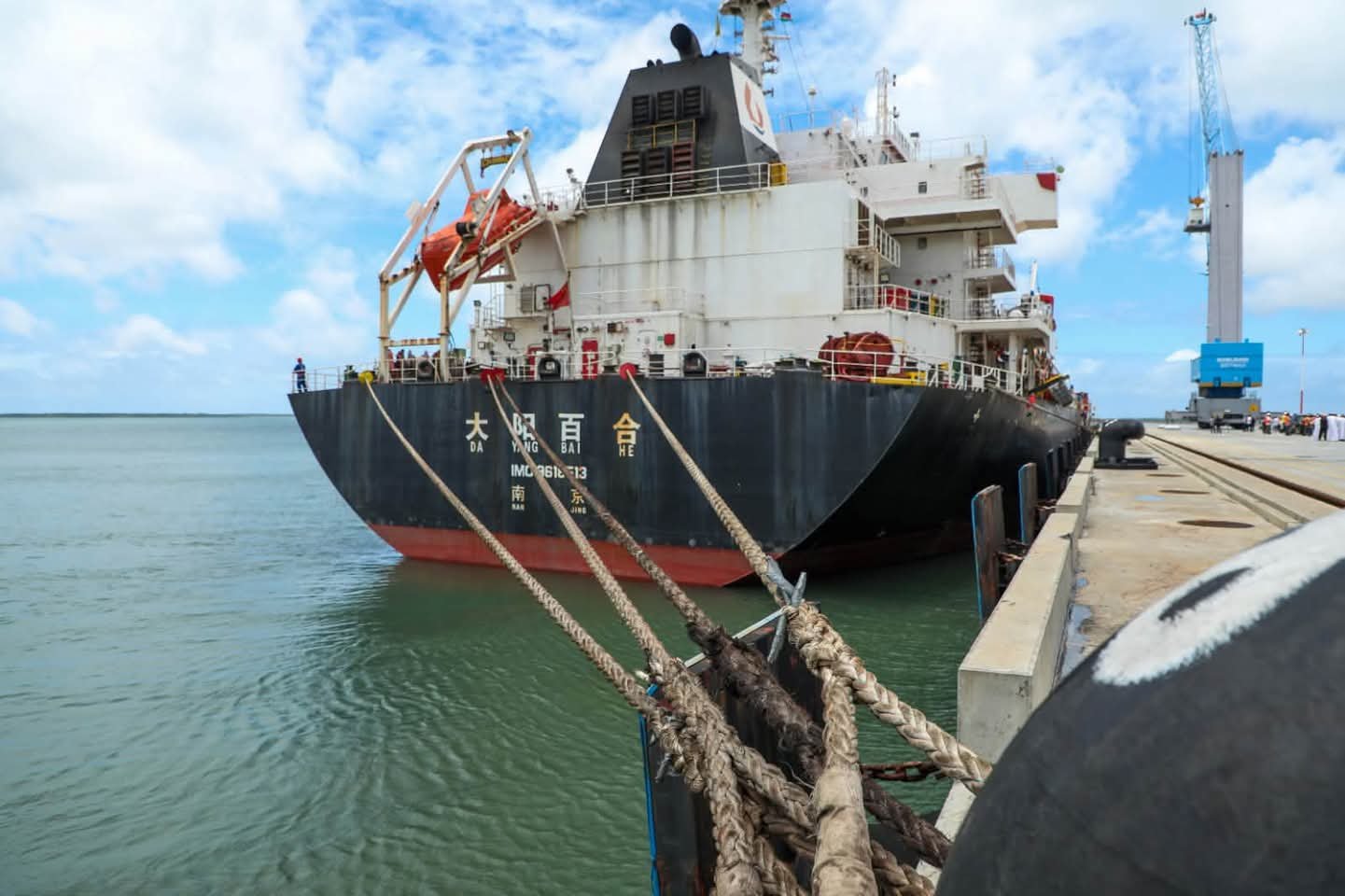
The project moved closer to physical construction recently after the Chinese-flagged MV Da Yang Bai He delivered about 2,930 tonnes of heavy construction machinery to Lamu Port on September 26. A groundbreaking ceremony is scheduled for September 30.
DON'T MISS THIS: First cargo of 2,930 tonnes of machinery arrives Kenyan port as Dangote begins work on East Africa’s largest refinery
The scale of the Kenyan facility means its significance extends beyond Kenya. At 700,000 barrels per day, its output would be far greater than domestic Kenyan fuel consumption, making regional exports an important part of its proposed business model.
Somalia's $4bn port is part of a wider industrial plan
In Somalia, Prime Minister Hamza Abdi Barre has confirmed an agreement with Turkish investors to develop a nearly $4 billion project near Warsheekh, about 70 kilometres north of Mogadishu.
The development is expected to include a new port, special economic zone and industrial facilities, and will be developed through a public-private partnership. Construction has also begun on a highway linking the area with Mogadishu as part of the government's broader “New Mogadishu” development initiative.
The location gives the project an additional strategic dimension.
DON'T MISS THIS: Somalia suspends UAE defence and port deals over Somaliland recognition row
Warsheekh is also the site of a planned Turkish-backed satellite launch facility. Satellite imagery reviewed by Le Monde showed construction activity beginning in 2025, while Turkey's ambassador to Somalia said in September that Somalia could launch its first satellite in 2027.
The space facility is expected to strengthen Somalia's emerging space capabilities while the proposed port and industrial zone could provide the commercial infrastructure around the wider development.
Tanga’s $20bn-plus energy hub raises the stakes
Tanzania and Uganda are also positioning the Indian Ocean coast for a bigger role in regional energy trade. In August 2026, UNOC, TPDC and Vitol Bahrain EC signed an MoU to develop a $20bn-plus energy hub at Tanga.
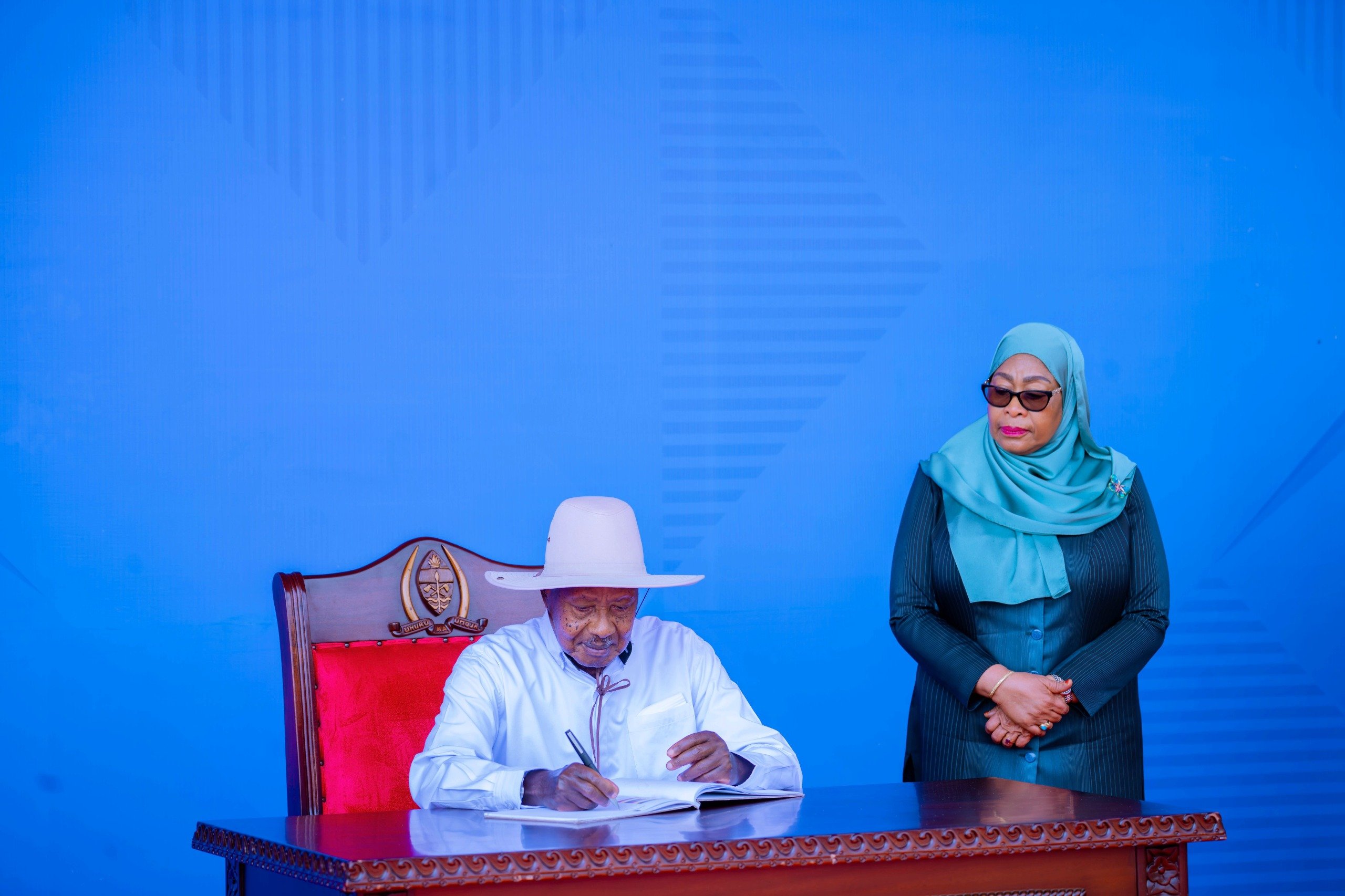
The proposed development includes a refinery complementing Uganda’s planned 60,000-barrel-per-day Hoima refinery, refined-products pipelines, storage facilities, a marine terminal and jetty, and a natural gas pipeline linking Uganda and Tanzania.
The hub would build on the 1,443-kilometre East African Crude Oil Pipeline (EACOP), which will transport Ugandan crude to the Chongoleani terminal near Tanga, with initial capacity of up to 216,000 barrels per day.
DON'T MISS THIS: Uganda's gold trade drives import relationship with Tanzania
The wider ambition is to turn Tanga from a crude export outlet into a regional refining, storage and fuel-distribution hub, serving markets across East and Central Africa.
Together with Lamu and the proposed Warsheekh development, Tanga points to a broader shift along Africa’s Indian Ocean coastline, where ports are increasingly being developed as integrated centres for energy, logistics, manufacturing and regional trade.
Three projects, one emerging Indian Ocean network
Although the three projects are separate and at different stages of development, they share a common objective: turning East Africa’s Indian Ocean coastline into a deeper economic gateway for the continent.
Lamu could combine refining, petrochemicals and port infrastructure to connect Kenya’s northern coast with inland markets through the LAPSSET corridor. Tanga is being positioned as an integrated energy hub linking Uganda’s oil fields with refining, storage and fuel distribution across East and Central Africa. Warsheekh could add a new port, industrial zone and commercial gateway along Somalia’s coast.
Together, the developments could expand the coastline’s role from simply handling imports and exports to supporting energy processing, manufacturing, storage, logistics and regional distribution.
For East Africa’s landlocked economies, this creates the possibility of more maritime access points and alternative trade routes. Ethiopia, Uganda, South Sudan, Rwanda, Burundi and eastern parts of the Democratic Republic of Congo could potentially benefit from stronger connections to ports, fuel supplies and global markets.
The projects could also encourage investment around the ports themselves, creating demand for roads, pipelines, warehouses, industrial parks, shipping services and other logistics infrastructure.
If delivered as planned, the combined developments would strengthen the Indian Ocean coast as an economic platform for East Africa, allowing more value to be created locally before goods and energy move into the region’s inland markets.