Uganda moves to break gov’t silos in agriculture push
A Ugandan farmer may produce more milk, coffee, fruit or grain, but that alone does not guarantee a better income. The farmer also needs healthy livestock or quality seed, affordable finance, reliable infrastructure, processing facilities, skilled labour and, ultimately, a market willing to buy the product. That chain helps explain why the government says agricultural […] The post Uganda moves to break gov’t silos in agriculture push appeared first on The Observer Media Ltd.
 Black News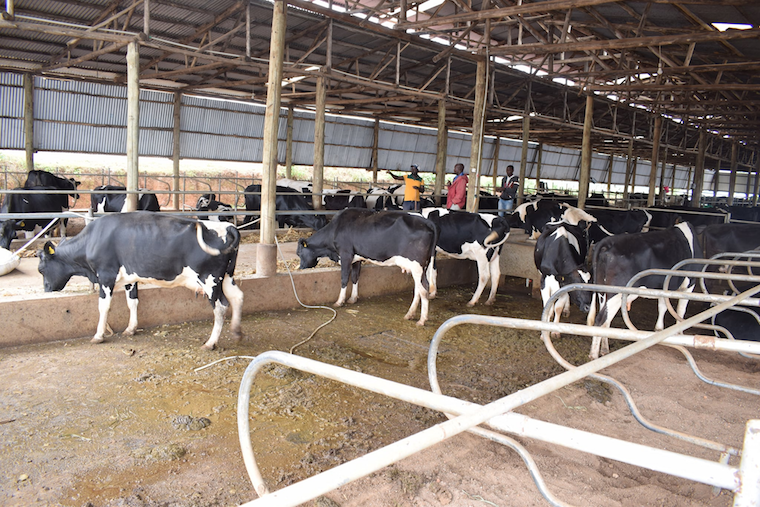

A Ugandan farmer may produce more milk, coffee, fruit or grain, but that alone does not guarantee a better income.
The farmer also needs healthy livestock or quality seed, affordable finance, reliable infrastructure, processing facilities, skilled labour and, ultimately, a market willing to buy the product.
That chain helps explain why the government says agricultural transformation can no longer be left to the Ministry of Agriculture, Animal Industry and Fisheries alone. State Minister for Animal Industry Bright Rwamirama says ministries and government agencies must coordinate their programmes as Uganda implements commitments under the Kampala Comprehensive Africa Agriculture Development Programme (CAADP) Declaration.
“Government has taken a clear direction that Ministries should not work in isolation or in silos,” Rwamirama said.
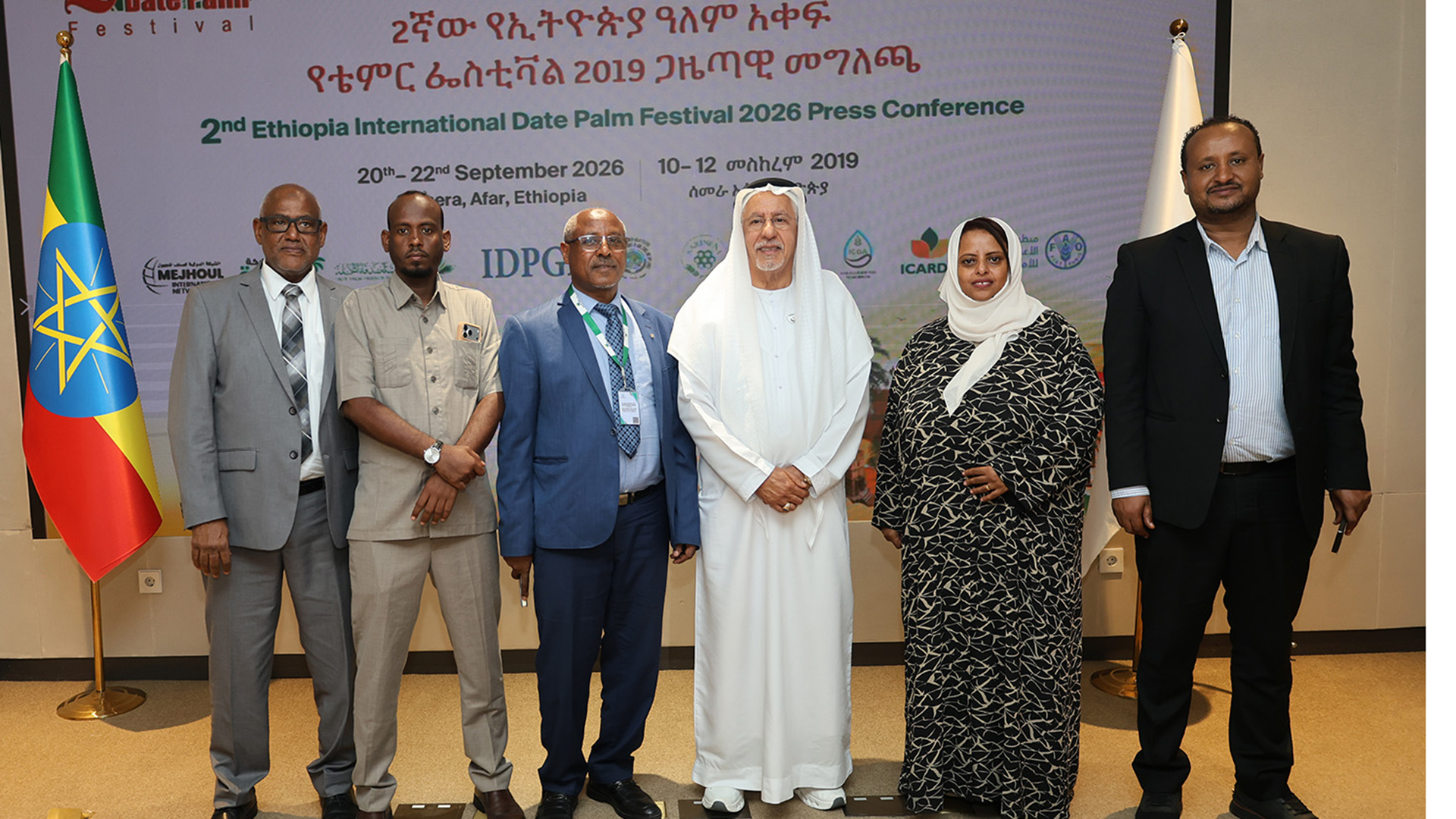
He was speaking on September 9 during a policy dialogue between the government and African Union Commission at Cotton House in Kampala. The meeting assessed Uganda’s progress in implementing the Kampala CAADP Declaration and the CAADP Strategy and Action Plan 2026–2035.
The declaration, adopted at an Extraordinary African Union Summit hosted by Uganda in January 2025, seeks to build stronger, more resilient and sustainable food systems across Africa.
The accompanying 2026–2035 strategy is intended to turn those commitments into measurable action. The shift matters because many of the obstacles confronting farmers fall outside the agriculture ministry’s direct control.
Animal diseases, inadequate inputs, post-harvest losses, limited processing and weak market connections can undermine production and incomes. Rwamirama said Uganda has already invested in improved seed varieties, quality planting and stocking materials, extension services, disease control, mechanization, irrigation and agricultural infrastructure.
“When we put all the interventions together, we are up to the task of fulfilling the requirements of the CAADP Strategy,” he said.
The government also wants to treat some agricultural shortages as investment opportunities.
Rwamirama cited animal feeds, veterinary pharmaceuticals and vaccine production as areas where existing gaps could support new businesses, jobs and industrial development. But the African Union says the real test is implementation.
“Our major challenge as Africa has not necessarily been a lack of discussions. The problem has been implementation,” said Moses Vilakati, AU Commissioner for Agriculture, Rural Development, Blue Economy and Sustainable Environment.
The AU is promoting a 100-Day Rolling Plan covering soil health, fertilizer systems, climate-resilient seed, irrigation, fisheries and aquaculture, investment mobilization and post-harvest management.
Uganda’s ambitions also extend beyond producing more food. Trade minister Sanjay Tanna said greater attention must now go to value addition, agroprocessing, branding and finding international buyers.
“Today, we are not only self-sufficient in many of these products, but we are also feeding the region and exporting to other parts of the world,” Tanna said.
He identified honey, shea butter, fruit, soya, sesame, chia seeds and pumpkin seeds as products with greater export potential.
“The challenge is: how do we get these products onto the global market?” he said.
That question shifts the focus from how much farmers produce to whether Uganda can build the processing, quality standards and market connections needed to turn agricultural output into higher-value business. Skills are another part of the equation.
“You cannot address food production without skills, skilled manpower, empowered labour and technology. These elements must work together,” Labour minister Simon Mulongo said.
The post Uganda moves to break gov’t silos in agriculture push appeared first on The Observer Media Ltd.