Wangadya’s resignation: Bobi Wine accuses gov’t of ‘discarding loyalists’
The reported resignation of Uganda Human Rights Commission (UHRC) chairperson Mariam Wangadya has ignited fresh political debate, with National Unity Platform (NUP) leader Robert Kyagulanyi, also known as Bobi Wine, accusing the government of abandoning officials once they outlive their usefulness. Yesterday, Kyagulanyi described Wangadya’s exit as part of a broader pattern in which individuals […] The post Wangadya’s resignation: Bobi Wine accuses gov’t of ‘discarding loyalists’ appeared first on Daily Star.
 Black News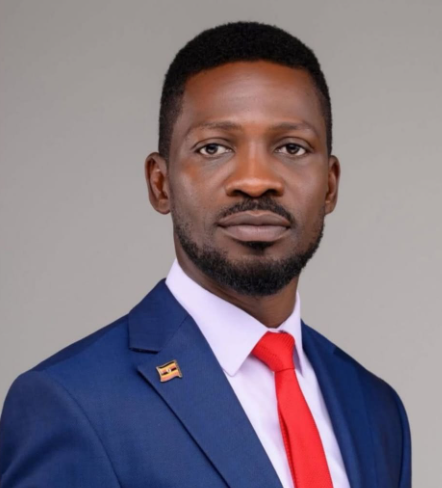
The reported resignation of Uganda Human Rights Commission (UHRC) chairperson Mariam Wangadya has ignited fresh political debate, with National Unity Platform (NUP) leader Robert Kyagulanyi, also known as Bobi Wine, accusing the government of abandoning officials once they outlive their usefulness.
Yesterday, Kyagulanyi described Wangadya’s exit as part of a broader pattern in which individuals entrusted with public authority are allegedly used to advance political interests before being “discarded” by the system they serve.
“For a long time, Museveni’s regime has relied on individuals in positions of public authority to execute its political agenda, often at the expense of justice and the rights of fellow Ugandans,” Kyagulanyi said.
He noted that many officials trade their integrity for power and protection, only to realise later that “the very system they served has no loyalty to them.
Wangadya, who has chaired the constitutional human rights body since 2021, is reported to have stepped down from her position, although official details surrounding her departure remain limited.
Sources familiar with the matter indicate that her resignation follows mounting pressure linked to the commission’s handling of sensitive human rights concerns, as well as criticism from sections of civil society over what has been perceived as a muted response to alleged abuses by state actors.
Her exit comes at a time when the UHRC is under increased scrutiny over its effectiveness in addressing complaints related to unlawful detention, excessive use of force, and broader civil liberties concerns.
“We have seen this pattern time and again,” he said, referencing individuals who once held significant authority but later fell out of favour.
He argued that such officials are often “appointed, empowered, and celebrated not to serve the public, but to serve the regime,” before being abandoned when they are no longer politically useful.
According to Kyagulanyi, the cycle leaves former insiders exposed to public backlash and legal consequences, while those who directed their actions move on without accountability.
“They are left isolated to face public anger, legal consequences, and the judgment of history alone,” he said.
The Uganda Human Rights Commission, established under the 1995 Constitution, is mandated to promote and protect fundamental rights and freedoms.
It has powers to investigate violations, visit detention facilities, and order compensation for victims of abuse.
However, over the years, the commission has faced recurring criticism over delays in handling cases, limited funding, and concerns about its independence, particularly in politically sensitive matters.
During Wangadya’s tenure, the commission undertook efforts to clear a backlog of cases and expand public awareness on human rights, but it also faced persistent calls from activists to take a more assertive stance on alleged violations by security agencies.
Kyagulanyi used the moment to issue a broader warning to public servants, urging them to consider the long-term consequences of their actions while in office.
“Offices are temporary, but reputations are permanent. What remains is your name, your conscience, and the legacy of the choices you made,” he said.
He questioned what officials would be left with once they lose power and protection, arguing that the system “does not protect its enablers forever, it simply replaces them.”
The post Wangadya’s resignation: Bobi Wine accuses gov’t of ‘discarding loyalists’ appeared first on Daily Star.